2026 Top Laser Cutting Precision for Thin Sheets Explained

Time:2026-05-01 Author:Mason
0%

The advancement of laser cutting technology has transformed the manufacturing industry. In particular, it's crucial to explore how precise is laser cutting for thin sheets. Precision impacts the quality of products made from materials like metal, plastic, and wood.

Laser cutting allows for intricate designs and fine edges. It reduces wastage by cutting materials with minimal kerf. However, challenges remain in achieving uniformity across different materials. Variations in thickness, texture, and thermal properties can affect outcomes. Thus, understanding the limitations of laser cutting is essential for optimal results.

Further, industry professionals need to balance precision with speed. While high precision can improve parts, it may slow production rates. Reflecting on these aspects will aid in determining the best approach for specific projects. Laser cutting continues to evolve, raising questions about future capabilities and precision thresholds.
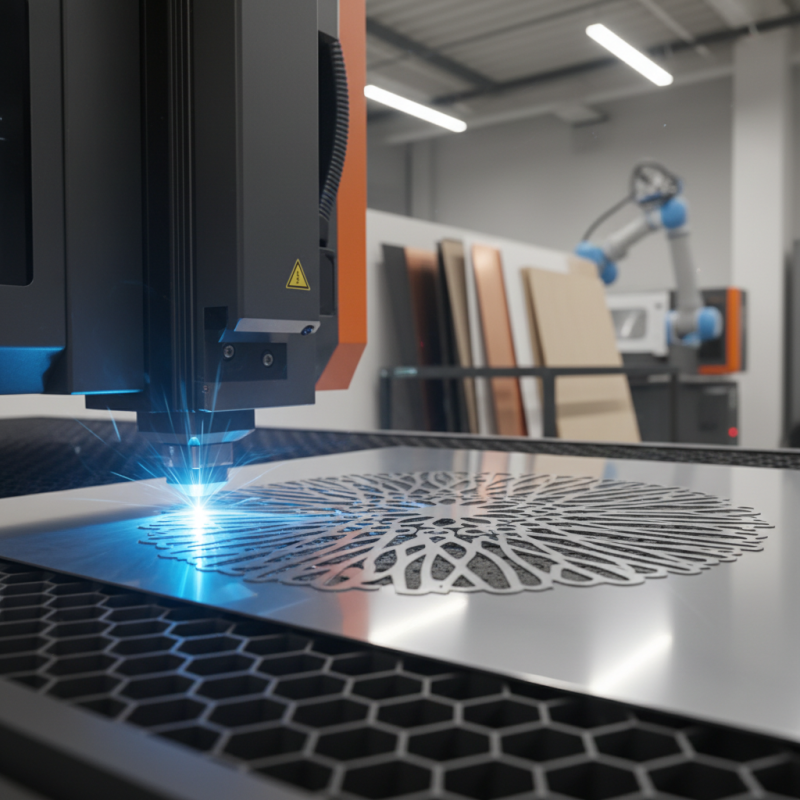
2026 Top Laser Cutting Precision for Thin Sheets Explained

Understanding Laser Cutting Technologies for Thin Sheets

Laser cutting is a vital technology for processing thin sheets in various industries. It utilizes focused light beams to achieve precision cuts. This process allows for intricate designs and smooth edges, enhancing the quality of the final products. Various laser types, such as CO2 and fiber lasers, offer distinct advantages. CO2 lasers excel in cutting thicker materials, while fiber lasers provide faster speeds and improved energy efficiency.

Understanding the capabilities of each technology is crucial. For instance, settings like power and speed must be tailored to the material type. Incorrect settings can lead to issues like excessive heat or incomplete cuts. Observing these details helps prevent costly errors. Industry professionals often discuss their experiences with different settings. They frequently emphasize the balance between speed and accuracy.

Yet, not all laser cutting experiences are flawless. There may be instances of dross or chatter, impacting the finish. These imperfections encourage ongoing reflection on techniques and processes. Continuous learning is essential in mastering laser technology. By leveraging both successes and setbacks, practitioners can refine their skills and improve outcomes.

Key Factors Influencing Laser Cutting Precision in 2026

Laser cutting technology for thin sheets has advanced significantly in 2026. It is essential to understand the key factors that influence the precision of this process. Thickness, material type, and laser wavelength play crucial roles. These elements interact to determine cutting quality.

Material properties affect the absorption of laser energy. For example, metals absorb different wavelengths differently. Thin sheets made from certain alloys may require specific settings for optimal results. The cutting speed must also be balanced with the laser's power. Fast cuts can lead to rough edges if not properly managed.

Operator skill is another critical factor. Experienced technicians can adjust settings in real time, ensuring better outcomes. Inaccurate settings can result in waste, which is costly. Monitoring environmental conditions, like temperature and humidity, can also help improve precision. Minor adjustments can yield significant improvements.

2026 Top Laser Cutting Precision for Thin Sheets

This chart illustrates the precision levels in laser cutting technology for thin sheets in 2026. It highlights the key factors influencing these precision levels across different materials.

Comparative Analysis of Laser Cutting Methods for Thin Materials

Laser cutting is a popular method for processing thin sheets. Each technique offers unique advantages and challenges. Understanding these methods is essential for optimal results.

CO2 lasers are widely used for thin materials. They provide high precision and speed. However, they may struggle with reflective metals. Fiber lasers also excel in cutting thin sheets. They can handle reflective materials like aluminum and brass effectively. The cutting speed tends to be faster with fiber lasers, making them ideal for high-volume production.

Plasma cutting is another method to consider. It is less precise than laser cutting but can be more cost-effective for thicker materials. While plasma offers versatility, it may leave rough edges that need further processing.

Choosing the right cutting method depends on specific project requirements. Evaluating these options helps in making informed decisions.

Applications of Precision Laser Cutting in Various Industries

Precision laser cutting has transformed various industries, enhancing productivity and quality. These applications span automotive, aerospace, electronics, and fashion. In automotive manufacturing, laser cutting allows for intricate designs and lightweight components. This leads to improved fuel efficiency and design flexibility.

In aerospace, the ability to cut thin sheets with extreme precision is crucial. It reduces weight while maintaining structural integrity. The electronic industry benefits from laser cutting's accuracy for circuit boards and components, ensuring reliability in devices. The fashion sector utilizes laser cutting for unique fabric patterns, appealing to trendy consumers.

Tips: Consider investing in training for employees new to laser cutting. Understanding the technology is key. Regular maintenance of laser cutting machines ensures optimal performance. This can prevent costly downtime. Testing different materials can reveal their cutting limits, allowing for innovative designs. Experimentation can lead to new applications and insights. Always prioritize safety protocols when working with laser equipment.

Future Trends and Innovations in Laser Cutting Technology

Laser cutting technology has evolved significantly. As we look to 2026, precision for thin sheets becomes a focal point. Innovations are about more than just efficiency. They revolve around enhanced capabilities and adaptability in various materials.

Emerging trends include the integration of AI. This technology analyzes cutting patterns and optimizes settings. It reduces waste and improves accuracy. Additionally, advancements in beam quality provide cleaner cuts. This is crucial for intricate designs in sectors like aerospace and automotive.

Tips for those considering laser cutting: Always analyze material compatibility. Different materials react uniquely to laser processes. Regularly assess your equipment to maintain optimal performance. Equipment maintenance can prevent costly downtimes. Finally, stay updated with industry advancements. This knowledge helps in making informed decisions. Understanding trends fosters innovation within your projects. Embrace the evolution; it can lead to unmatched precision.

FAQS

: What factors influence laser cutting precision?

: Thickness, material type, and laser wavelength are key factors. They interact to determine cutting quality.

How do material properties affect laser cutting?

Materials absorb laser energy differently. Metals, for instance, respond uniquely to various wavelengths.

Why is cutting speed important?

Balancing cutting speed and laser power is essential. Fast cuts may create rough edges if not managed well.

How does operator skill impact laser cutting?

Experienced operators can adjust settings in real-time, leading to better cutting outcomes. Inaccuracy results in waste.

Why should environmental conditions be monitored?

Monitoring temperature and humidity can improve cutting precision. Minor adjustments can lead to significant improvements.

What trends are emerging in laser cutting technology?

Integration of AI is key. It optimizes cutting settings and reduces waste, improving accuracy.

How can one ensure optimal equipment performance?

Regular equipment assessments are essential. Maintenance can prevent costly downtimes and enhance productivity.

Why is material compatibility analysis necessary?

Different materials react uniquely to laser cutting. Understanding this leads to better results.

How can staying updated with industry advancements help?

Knowledge of trends fosters innovation. It helps in making informed decisions for your projects.

What is a common pitfall in laser cutting?

Operators may overlook adjustments for different materials, leading to inefficiencies and poor outcomes.

Conclusion

In "2026 Top Laser Cutting Precision for Thin Sheets Explained," the article delves into the intricacies of laser cutting technologies specifically designed for thin materials. It begins by outlining the fundamental principles that govern laser cutting and highlights key factors influencing how precise is laser cutting for thin sheets in 2026, including the quality of the laser source, material properties, and cutting speed.

A comparative analysis of various laser cutting methods reveals their advantages and limitations when applied to thin sheets, showcasing their suitability across different industries. The article also explores the diverse applications of precision laser cutting, from automotive to electronics, and speculates on future trends and innovations that may further enhance precision and efficiency in this field. This comprehensive overview provides valuable insights into the capabilities and future potential of laser cutting technologies for thin sheet materials.

Mason

Mason

Mason is a seasoned marketing professional with a deep expertise in the company's offerings and a passion for driving brand awareness. With a strong background in digital marketing strategies, he has an innate ability to connect with diverse audiences and effectively communicate product benefits.......