Top 10 Benefits of Laser Cutting for Ceramic Materials?

Time:2026-07-18 Author:Ethan
0%

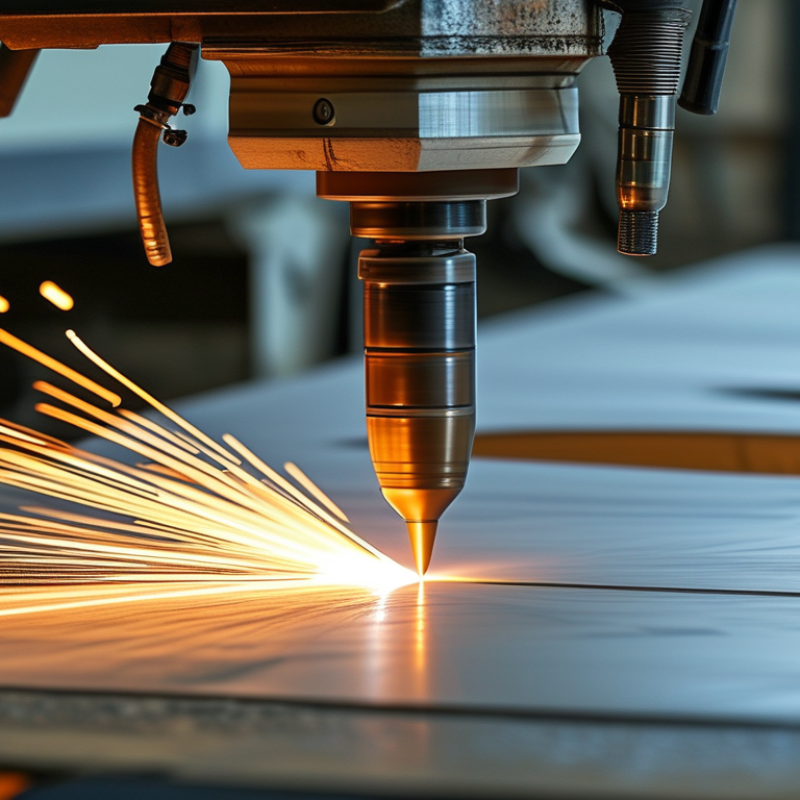
Laser cutting has revolutionized the manufacturing industry, particularly for ceramic materials. According to a report by MarketsandMarkets, the global laser cutting machine market is expected to grow to $6.5 billion by 2025, highlighting significant adoption across various sectors. This technology enables precise cuts on materials that are traditionally difficult to work with. How does laser cutting work on ceramic materials? This process uses focused laser beams to vaporize or melt the ceramic surface, resulting in clean edges and intricate designs.

In terms of benefits, laser cutting presents unique advantages for ceramics, including reduced waste and enhanced accuracy. A study from the Journal of Manufacturing Processes indicates that laser cutting can improve yield by up to 30% compared to traditional methods. This technology not only shortens production times but also allows for intricate patterns that elevate the aesthetic value of ceramic products. However, it is essential to consider potential limitations, such as machine cost and the need for skilled operators.

Understanding the benefits and challenges of laser cutting is crucial for businesses looking to optimize their ceramic production processes. It opens doors to new design possibilities while demanding a careful balance between innovation and operational efficiency.
Top 10 Benefits of Laser Cutting for Ceramic Materials?

Overview of Laser Cutting Technology for Ceramics

Laser cutting technology has revolutionized the way ceramic materials are processed. This method uses a focused laser beam to cut, engrave, or mark ceramics with high precision. The technology is praised for its ability to achieve intricate designs that are often difficult to replicate with traditional methods. Unlike mechanical cutting, laser cutting minimizes material wastage and reduces the risk of damage to delicate ceramics.

One significant advantage of laser cutting is its ability to create clean edges. This feature enhances the final product's appearance and eliminates the need for extensive finishing work. Additionally, the technology allows for customization, making it ideal for small production runs or unique pieces. Clients often appreciate the swift turnaround times that laser cutting provides.

Tips: When considering laser cutting for ceramics, choose the right power settings. Too much power can cause cracking. Also, remember to select the appropriate type of ceramic, as some are more suited for laser cutting. Ensure you have a clear design plan to avoid unnecessary errors.

Precision and Accuracy in Laser Cutting Ceramic Materials

Laser cutting has transformed how we work with ceramic materials, especially when it comes to precision and accuracy. The technology allows for intricate designs and shapes that surpass traditional cutting methods. Ceramics, being fragile, require specialized techniques to avoid breaks. Laser cutting provides a controlled approach, minimizing stress on the material while delivering sharp, clean edges.

To optimize laser cutting for ceramics, consider the following tips:

  • Ensure the settings match the specific ceramic type.
  • Thin ceramics may need different power levels compared to denser varieties.
  • Experimenting with speed and intensity can help avoid cracks.
  • Regular maintenance of the laser cutting machine is essential.
  • Proper cleaning can enhance performance and extend machine life.

Different ceramics may respond uniquely to laser cutting. Factors like thickness and composition can influence the results. It's essential to test samples before full production. Fine-tuning the process improves accuracy. Documentation of settings can help replicate successful cuts. Embracing the potential for imperfections can lead to innovative designs. Each project can provide insight, prompting reflection on both process and outcome.

Advantages of Clean Edges and Minimal Waste in Laser Cutting

Laser cutting offers significant advantages for ceramic materials, particularly when it comes to achieving clean edges. The precision of laser technology allows for intricate designs without the roughness often associated with traditional cutting methods. This results in ceramic pieces that have a polished finish and reduced need for post-processing. Additionally, clean edges are crucial in applications like tile manufacturing, where aesthetics and fit are paramount.

Minimal waste is another vital benefit of laser cutting. Traditional cutting methods often generate significant scrap material, leading to higher costs and environmental impact. With laser cutting, the beam can be controlled to cut only the necessary shapes and sizes. This efficiency not only saves material but also reduces the energy required for production. However, achieving the perfect cut isn’t always guaranteed. Variations in settings or unexpected material characteristics can result in uneven edges. Therefore, consistent quality control remains essential.

Despite its clear advantages, laser cutting requires skilled operators. Understanding the nuances of lasers, material properties, and operational techniques is important for maximizing benefits. Misjudgments can lead to problems in production. Balancing speed and precision is a frequent challenge that requires ongoing training and reflection. Embracing these complexities can help manufacturers harness the full potential of laser cutting for ceramics.

Versatility of Laser Cutting for Various Ceramic Applications

Laser cutting has transformed the way ceramic materials are processed. The versatility of this technique applies to a wide range of ceramic applications. From intricate designs to robust industrial parts, laser cutting offers precision that traditional methods struggle to achieve.

For artists, laser cutting enables the creation of complex patterns on ceramic surfaces. Designers can experiment with various styles and shapes without the limitations typical of manual methods. This artistic approach opens new avenues for creativity in pottery, tiles, and ornamental pieces.

When using laser cutting for ceramics, it’s essential to consider material thickness. Different ceramics respond uniquely to heat, which can lead to cracking and warping. A trial run on sample materials can save time and reduce waste. Additionally, maintaining the right focus and speed during the cutting process is crucial for achieving clean edges.

Remember to regularly check the laser’s calibration. Ensuring accuracy can significantly enhance output quality. Adjusting settings for different ceramics will improve results and make the process more efficient.

Top 10 Benefits of Laser Cutting for Ceramic Materials

Cost-Efficiency and Time Savings in Laser Cutting Processes

Laser cutting has emerged as a highly efficient method for processing ceramic materials. One of the most attractive aspects is its cost-effectiveness. Traditional cutting methods often involve significant material waste and longer processing times. Laser cutting minimizes waste by using focused energy to cut precisely. This precision means that you need less material to achieve the same results. Moreover, the reduction in waste directly translates to lower costs for manufacturers.

Time savings also play a crucial role in choosing laser cutting. The speed of the laser cutting process reduces overall project timelines. Faster turnaround times mean that businesses can take on more projects without compromising quality. This efficiency allows for quicker delivery to clients, which can lead to larger contracts. However, it’s essential to ensure that operators are adequately trained. An uninformed operator might miss out on the potential benefits that laser cutting offers.

Tips: Always review your design for potential optimization. Simple changes can save costs. Additionally, consider the laser's settings to find the perfect balance between speed and quality. Investing in proper training for staff can enhance the knife-fine accuracy needed for ceramics.

Top 10 Benefits of Laser Cutting for Ceramic Materials

Benefit Description Cost Efficiency Time Savings
High Precision Laser cutting provides exceptional accuracy in cutting ceramic materials. Reduces waste and material costs. Processes can be completed rapidly, minimizing production hold-up.
Reduced Tooling Costs No need for extensive tooling or dies in many cases. Less investment in tools leads to lower production costs. Faster setup times compared to traditional methods.
Complex Geometries Ability to create intricate shapes that are difficult with other methods. Higher design versatility reduces prototype costs. Quick adjustments to designs lead to efficient iterations.
Material Versatility Works well with a variety of ceramic materials. Can handle diverse materials without additional costs. Faster production of different designs without downtime.
Minimized Heat-Affected Zone Reduces impact on material properties. Less rework or secondary processes needed. Speeds up the overall manufacturing cycle.
Clean Edges Produces smooth cuts with less burr. Less finishing work required, saving resources. Immediate usability of components without delays.
Automation Compatibility Easily integrates with automated systems. Reduces labor costs and increases throughput. Shortens production time with automated processes.
Sustainability Less material waste compared to traditional cutting methods. Eco-friendly operations lead to cost savings. Faster processes reduce energy consumption.
Flexibility Easily adaptable to changes in design and production needs. Saves costs by adjusting production without extensive changes. Quickly responds to market demands, enhancing competitiveness.

FAQS

: What is laser cutting technology?

: Laser cutting uses a focused laser beam to cut, engrave, or mark ceramics with high precision.

What are the benefits of laser cutting for ceramics?

It minimizes material waste and reduces damage to delicate ceramics, creating clean edges and enhancing appearances.

Can laser cutting create intricate designs in ceramics?

Yes, it's particularly effective for complex patterns, which can be challenging with traditional methods.

How does laser cutting support customization?

The technology allows for unique designs and quick production runs, catering to specific client needs.

What should I consider before using laser cutting on ceramics?

Choose the right power settings and type of ceramic to avoid cracking or warping during the process.

How can I ensure quality when laser cutting ceramics?

Regularly check the laser's calibration and maintain appropriate focus and speed during cutting for best results.

Is a trial run necessary when laser cutting ceramics?

Yes, testing on sample materials helps reduce waste and identify potential issues before full production.

What can happen if I use excessive power when cutting?

Too much power can cause cracking, leading to defects in the finished product.

Can I use laser cutting for various ceramic applications?

Certainly, it's versatile and can be applied to both artistic and industrial ceramic materials.

Are there limitations to laser cutting for ceramics?

Yes, different ceramics respond uniquely to heat, so adjustments may be required for various materials.

Conclusion

Laser cutting technology has revolutionized the processing of ceramic materials, offering a multitude of benefits. Understanding how does laser cutting work on ceramic materials reveals its precision and accuracy, enabling intricate designs and detailed patterns with remarkable consistency. This method minimizes waste and produces clean edges, which is crucial for applications requiring high aesthetic standards.

Furthermore, the versatility of laser cutting caters to various ceramic applications, from art to industrial uses, addressing a wide range of market needs. The cost-efficiency and time savings associated with this technology make it an attractive option for both small-scale projects and large manufacturing runs. Overall, laser cutting stands out as an essential technique in modern ceramics processing, enhancing creativity and efficiency across industries.

Ethan

Ethan

Ethan is a seasoned marketing professional with a deep expertise in our company's innovative product line. With a passion for sharing knowledge and insights, he takes the lead in regularly updating our corporate blog, where he explores industry trends, product features, and effective marketing......