Selecting the right laser cutting machine for industrial use can be a daunting task. Experts in the field emphasize the importance of understanding your specific needs. Tom Reynolds, a respected figure in laser technology, once stated, "A well-chosen laser cutter can transform production efficiency and quality." This highlights the crucial impact of making a wise choice.
When considering how to choose a laser cutting machine for industrial use, various factors must be taken into account. These include materials, thickness, and the scale of production. Additionally, understanding machine capabilities is vital. Many buyers overlook this, leading to mismatched expectations. It’s not just about price; compatibility and features are equally important.
Ultimately, investing time in research is essential. The right machine can significantly enhance productivity. However, a hasty decision may result in disappointment. Reflecting on what truly meets your requirements is key. Careful consideration and expert advice are invaluable in navigating this complex selection process.
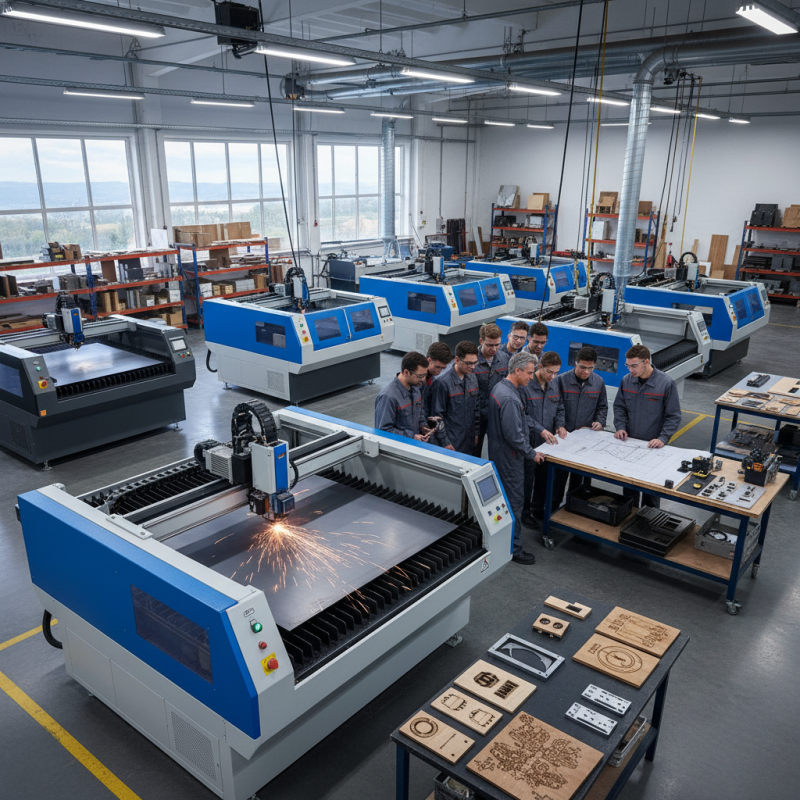
Understanding Different Types of Laser Cutting Technologies Available
Laser cutting technology comes in various forms, each suited to specific industrial applications. The two primary types are
CO2 lasers and fiber lasers. CO2 lasers are
commonly used for non-metal materials, making them ideal for cutting wood, plastics, and textiles. They deliver
high-quality cuts at lower operational costs. On the other hand, fiber lasers excel in cutting metals, delivering faster
speeds and higher precision. According to a report by Markets and Markets, the global laser cutting market is projected
to reach $6.4 billion by 2026, reflecting its growing importance in various sectors.
When selecting a laser cutting machine, consider the material you will process most frequently.
CO2 lasers perform better on organic materials, while
fiber lasers are preferred for metals. Efficiency and operational costs
are also crucial. Fiber lasers may have a higher initial cost, but they typically offer better energy efficiency
and lower maintenance expenses.
Tip: Evaluate your production scale. If you require high-volume production, fiber lasers may offer
more significant long-term savings. Conversely, for smaller projects, a CO2 laser could be sufficient. Always
review technology advancements; features may evolve, affecting your choices. Remember that the right machine can
make a significant difference in your bottom line.
Key Factors to Consider for Cutting Material Thickness and Type
Choosing the right laser cutting machine involves understanding material thickness and type. Different materials require different power levels and cutting speeds. For instance, metals typically need more powerful lasers than plastics. If you're working with intricate designs on thin sheets, precision is crucial. A machine with a high-quality lens will improve accuracy.
Material thickness significantly impacts your selection. Thicker materials absorb more energy, often requiring higher wattage. It's vital to consider the maximum thickness the machine can handle. For example, a 1000W laser might cut through 10mm steel efficiently, while a 300W laser may struggle. This can lead to poor cuts and wasted materials, causing costly delays.
Don’t ignore the type of material either. Different materials react differently to heat. For acrylic, the cutting speed is vital to prevent melting. Certain woods may require specific settings to avoid burning. Understanding these factors helps prevent mistakes and enhances workflow efficiency. Regular experimentation is essential for optimal results. Engaging with more experienced operators can provide insights and reduce learning curves.
Evaluating Machine Speed and Efficiency for Industrial Production Needs
When evaluating machine speed and efficiency for laser cutting in industrial applications, specific metrics are crucial. Cutting speed is typically defined in inches per minute or millimeters per second. This measurement directly influences production volume. Recent industry reports indicate that high-end laser machines can achieve speeds of up to 40 meters per minute. However, achieving such speeds often sacrifices precision, leading to potential quality inconsistencies, particularly with intricate designs.
Efficiency also encompasses energy consumption. A study by the International Energy Agency highlights that newer laser cutting systems reduce energy usage by 30% compared to older models. This reduction not only lowers operating costs but also lessens environmental impact. Efficiency doesn't solely depend on speed. It relies on the machine's ability to maintain consistent quality while minimizing waste material.
Operators must consider the trade-offs between speed and quality. It is essential to analyze production needs carefully. A machine may excel in raw speed but could result in higher rework rates. Continuous monitoring and periodic evaluations of machine performance can lead to improved outcomes. By balancing speed with quality measures, manufacturers can make informed decisions that enhance their production processes.
Machine Speed and Efficiency Comparison for Laser Cutting Machines
This chart compares the cutting speed and efficiency of various laser cutting machine models. The first dataset represents the cutting speed measured in mm/s, while the second dataset indicates the efficiency percentage of each model, helping you to evaluate which machine best suits your industrial production needs.
Importance of Laser Power and Wavelength in Material Processing
Choosing a laser cutting machine requires careful consideration of power and wavelength. These factors significantly impact how well the machine processes various materials. High laser power makes cutting thicker materials easier. However, too much power can damage delicate surfaces. It’s a balancing act that requires precision.
Wavelength is equally crucial. Different materials absorb various wavelengths differently. For instance, metals often require shorter wavelengths for effective cutting. Plastics and wood may respond better to longer wavelengths. Understanding these nuances helps in selecting the right machine for your specific needs.
Tips: Always test a sample piece before full production. This helps you gauge how the material reacts to the selected power and wavelength. Also, consider future projects. Machines that handle a broader range of materials offer more flexibility. Lastly, don’t underestimate the importance of cooling systems. Excess heat can lead to inconsistent cuts and reduced quality over time.
Budgeting for Initial Investment and Long-Term Operational Costs
When budgeting for a laser cutting machine, initial investment is crucial. Machines can vary significantly in price. Consider not just the purchase cost, but also installation expenses. Some machines require specialized setups, which can increase your initial budget. Make sure to factor in training costs if your team needs to learn how to operate the equipment efficiently.
Long-term operational costs also demand careful consideration. Energy consumption plays a significant role in ongoing expenses. Some machines are more energy-efficient than others. A less efficient machine could lead to higher electricity bills over time. Maintenance is another key factor. Regular servicing can prevent costly breakdowns. Not all parts are inexpensive, so research replacement costs as well.
Reflecting on these factors, one might feel overwhelmed. It’s easy to focus solely on the acquisition price. However, overlooking operational costs could spell disaster for your budget. Prioritize understanding both short-term and long-term implications. A well-rounded financial plan will save you stress down the line.
How to Choose a Laser Cutting Machine for Industrial Use?
| Parameter |
Value |
Notes |
| Initial Investment Cost |
$20,000 - $100,000 |
Depends on machine features and capabilities |
| Operating Speed |
10 - 30 mm/sec |
Varies by material and thickness |
| Maintenance Costs |
$500 - $2,000/year |
Regular maintenance required for longevity |
| Material Compatibility |
Metals, Plastics, Wood |
Check compatibility before purchase |
| Power Consumption |
2 - 12 kW |
Affects operational costs |
| Software Requirements |
CAD software compatibility |
Necessary for design and operation |
Conclusion
When considering how to choose a laser cutting machine for industrial use, it's essential to understand the various types of laser cutting technologies available. Each technology has unique characteristics that cater to different industrial applications. Key factors include the material thickness and type, which directly affect the choice of machine specifications, as differing materials require different cutting approaches.
Additionally, evaluating machine speed and efficiency is crucial for meeting production demands without compromising quality. The importance of laser power and wavelength cannot be understated, as they play a significant role in effective material processing. Finally, it’s vital to budget not just for the initial purchase but also for long-term operational costs to ensure a sound investment in the cutting machinery that aligns with your industrial goals.

 CXO Laser