Common Problems in Laser Cutting Ceramics and How to Solve Them?

Time:2026-05-16 Author:Madeline
0%

Laser cutting ceramics has gained popularity in various industries, but challenges remain. Experts in the field, such as Dr. Jane Mitchell, a renowned materials scientist, note, "What are common problems in laser cutting ceramics? Understanding these issues is crucial for improving efficiency."

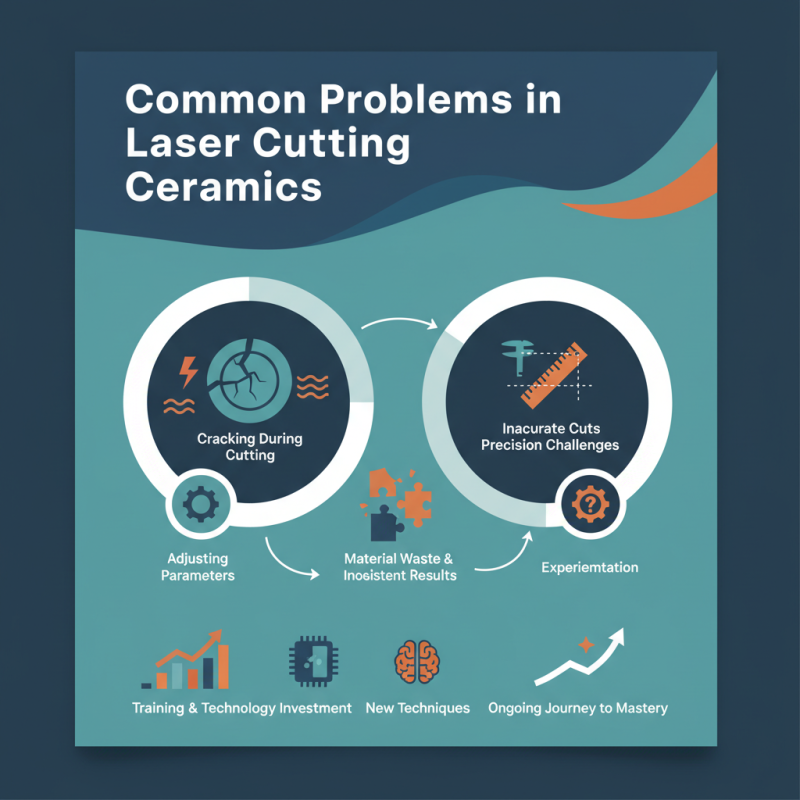
One of the primary problems is cracking during the cutting process. Ceramics are brittle. High temperatures and stress can lead to fractures. Adjusting parameters is essential, yet not always straightforward. Another challenge is ensuring precision. Inaccurate cuts can waste materials and time. Operators often need to experiment to find the right settings. This adds complexity to the process and can lead to inconsistent results.

Dr. Mitchell emphasizes the importance of addressing these common pitfalls. Failure to do so can result in costly errors. Companies must invest in training and technology to optimize laser cutting. Additionally, staying updated on new techniques can mitigate some of these challenges. While advancements are being made, the journey to mastering laser cutting ceramics is ongoing.
Common Problems in Laser Cutting Ceramics and How to Solve Them?

Common Issues Encountered in Laser Cutting of Ceramics

Laser cutting ceramics can present several challenges. One common issue is the cracking of the material. When the laser's intensity is too high, it generates excessive heat. This heat causes thermal stress, leading to cracks. Selecting the appropriate power settings is essential. A lower power setting can prevent damage while ensuring a clean cut.

Another issue involves the formation of rough edges. Laser cutting can leave a jagged finish if the speed is too fast. It may not allow the laser sufficient time to complete the cut smoothly. Adjusting the cutting speed and using a lower feed rate can result in cleaner edges. Additionally, choosing the right focal point for the laser can minimize this problem.

Moisture can also be a concern. Ceramics with high moisture content may absorb heat unevenly. This can exacerbate cracking or lead to poor-quality cuts. Pre-drying ceramics before cutting can help mitigate these effects. Each problem requires careful consideration and testing to arrive at effective solutions.

Understanding the Physics Behind Laser-Ceramic Interaction

When working with laser-cut ceramics, understanding the physics behind laser-ceramic interaction is crucial. Lasers interact with ceramics differently than with metals. The energy from lasers needs to penetrate the dense structure of ceramics. If not done properly, it can lead to cracking or incomplete cuts. The absorption of laser light depends on the ceramic's properties. Certain ceramics may absorb certain wavelengths better.

Tips: Always test with different laser settings to see which wavelength works best for your specific material. Adjusting the speed and power can significantly improve results.

Thermal effects also play a vital role. When the laser heats the ceramic, it must be controlled to prevent damage. If the heat is uneven, it may lead to fractures. Maintaining a steady cooling process can help in producing cleaner cuts.

Tips: Ensure adequate cooling between cuts to manage thermal expansion. Consider using a pulsed laser to minimize heat buildup. This approach can help produce smoother edges and reduce the risk of thermal stress.

Identifying Key Factors Affecting Laser Cutting Efficiency

Laser cutting ceramics presents unique challenges that significantly impact efficiency. Key factors like material properties, laser parameters, and machine settings all play critical roles. The hardness and brittleness of ceramics often lead to cracking. Understanding these properties is vital for effective cutting.

Laser power must be carefully adjusted. Too high a power can cause excessive melting, while too low can lead to incomplete cuts. Focusing the laser beam accurately is equally important. A misaligned beam can create uneven cuts. Additionally, choosing the correct speed enhances the overall outcome.

Cooling systems should not be overlooked. They help maintain optimal temperatures during cutting, preventing thermal damage. Frequent adjustments and tests are necessary. Experimentation is part of the process. Even seasoned professionals encounter setbacks. Reflecting on these challenges fosters improvement and innovation in laser cutting ceramics.

Methods to Mitigate Thermal Cracking in Ceramic Materials

Thermal cracking in ceramic materials is a common challenge during laser cutting. The intense heat from the laser can create uneven temperature distributions. This leads to stress and, ultimately, cracks in the ceramic. To tackle this, it is crucial to maintain an optimal cutting speed. Slower speeds can help manage heat buildup, allowing the material to dissipate it more evenly.

Another effective method involves cooling techniques. Using a cooling agent or air blows during the cutting process can mitigate thermal stress. This decreases the risk of cracks significantly. However, it's essential to find a balance. Excessive cooling might introduce additional stresses, which could lead to more problems.

Monitoring the laser parameters is vital. Adjusting power settings based on the ceramic type can make a difference in the outcome. Experimenting with different settings can yield better results, though this trial-and-error approach may introduce some inconsistencies. It's a good reminder that precision in materials processing often requires iterative adjustments and careful observation.

Best Practices for Optimizing Laser Settings for Different Ceramics

When optimizing laser settings for ceramics, achieving the right balance is crucial. Different types of ceramics react uniquely to laser cutting. Adjusting speed, power, and frequency is essential for precise results. For instance, high-speed cutting can reduce thermal shock but may compromise the edge quality. Slower speeds might enhance detail but could lead to unwanted cracking.

Understanding the specific ceramic type is important. For soft ceramics, a lower power setting typically produces cleaner cuts. In contrast, harder ceramics may require higher power and slower speeds. Experimenting with these parameters can reveal optimal settings for each material.

Monitoring the cutting process adds value. Regularly inspect the cuts for signs of overheating or rough edges. These indicators can guide you in making further adjustments. It’s advisable to document the settings that work best for future reference. Sometimes, the most effective cuts come from trial and error, highlighting the need for ongoing refinement in your laser cutting approach.

FAQS

: What common issue occurs when laser cutting ceramics?

: Cracking is a frequent problem. High laser intensity generates excess heat, causing thermal stress and cracks.

How can I avoid rough edges in laser cutting?

Adjust cutting speed and feed rate. Slower speeds allow for smoother cuts and cleaner edges.

What impact does moisture have on ceramics during cutting?

High moisture content can unevenly absorb heat, exacerbating cracks and reducing cut quality. Pre-drying is helpful.

What cutting speed should I maintain to prevent thermal cracking?

Slower cutting speeds help manage heat buildup, allowing even temperature distribution in the ceramic.

Are cooling techniques effective for reducing thermal stress?

Yes, using cooling agents can mitigate stress but requires balance. Too much cooling may introduce new issues.

How important is monitoring laser parameters during the process?

It's vital for achieving the best results. Adjust power settings based on the ceramic type for optimal outcomes.

Should I document my laser settings for future projects?

Yes, keeping records of successful settings assists in refining techniques and improving future cutting quality.

What should I keep an eye on while cutting ceramics?

Look for signs of overheating and check for rough edges. These can guide necessary adjustments during cutting.

How does the type of ceramic affect laser settings?

Each ceramic type reacts differently. Soft ceramics usually need lower power, while harder ones may require higher power.

Is trial and error a part of laser cutting optimization?

Yes, experimentation is often needed. It's a reminder that precision requires adjustments and careful observation.

Conclusion

Laser cutting ceramics presents unique challenges, leading to several issues that practitioners must address. Common problems in laser cutting ceramics include thermal cracking, inconsistent cutting quality, and difficulty in achieving precise cuts. Understanding the physics behind laser-ceramic interaction is crucial to identify these issues, as key factors such as material properties, laser parameters, and cutting speed play significant roles in the efficiency of the process.

To mitigate the occurrence of thermal cracking, it is essential to optimize laser settings based on the type of ceramic being processed. Implementing best practices for adjusting laser power, speed, and focus can greatly enhance cutting precision while reducing damage to the material. By addressing what are common problems in laser cutting ceramics with appropriate methods, manufacturers can improve productivity and ensure high-quality results.

Madeline

Madeline

Madeline is a dedicated marketing professional with a wealth of expertise in our company's core offerings. With a keen understanding of the industry, she brings a unique perspective to her role, consistently delivering high-quality content that highlights the superior aspects of our products. As......