In the world of laser cutting, managing heat impact is crucial for precision and material integrity. Experts, like Dr. Lisa Chen, a renowned mechanical engineer, emphasize the importance of this issue. "To achieve optimal cuts, understanding heat impact is essential," she states. This underscores the need for effective strategies.
Heat can cause warping and other defects, leading to wasted materials. Many operators face challenges in maintaining consistent quality during the cutting process. Techniques such as controlling the feed rate and adjusting the laser power can help to minimize these effects. However, these methods are not always foolproof.
Reflecting on industry practices, it’s clear that continuous learning is necessary. Operators must adapt to various materials and thicknesses. Each element can influence heat impact dramatically. Ensuring quality cuts demands both knowledge and experimentation, balancing efficiency with precision.
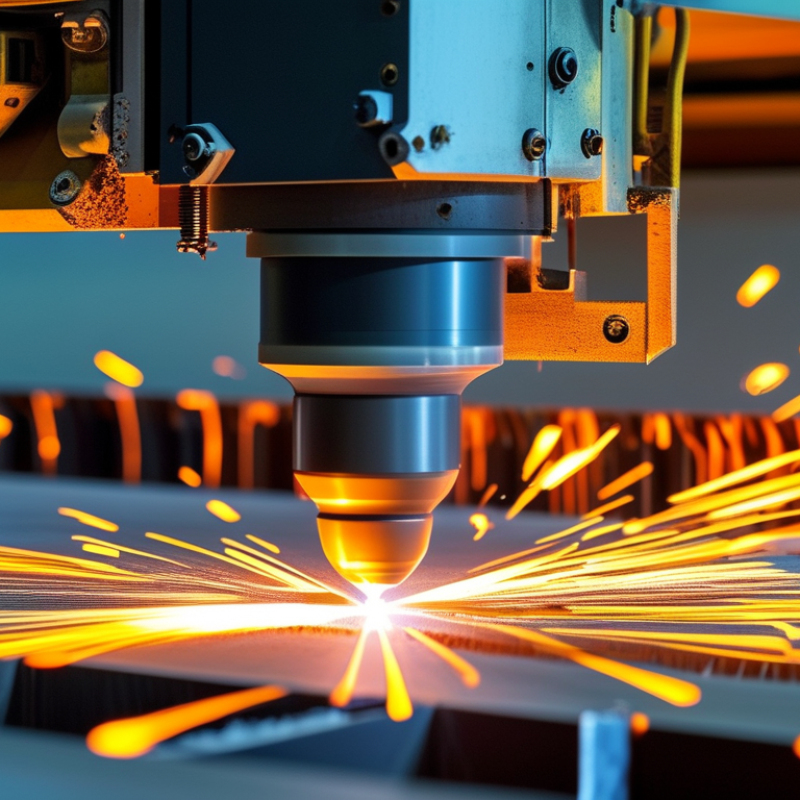
Laser cutting is an efficient method for shaping materials. However, understanding how heat generation works during this process is vital. When laser light interacts with the material, it generates heat on a localized scale. This heat can reach very high temperatures quickly, impacting the quality of the cut.
The heat affected zone (HAZ) is an area that requires careful attention. In some cases, the thermal impact leads to unwanted warping or changes in material properties. This can be particularly problematic with sensitive materials, such as thin metals or polymers. The amount of energy delivered by the laser and the speed of cutting both influence heat generation. Adjusting these parameters can help control thermal effects.
It is also important to consider the feedback from operators. Different materials respond uniquely to heat. Experienced operators may notice changes in the cutting quality that are not immediately obvious. Monitoring these subtleties is essential for optimizing the laser cutting process. Not all adjustments will achieve desired outcomes, and experimentation is often necessary. Understanding the intricate balance of heat and material is key to effective laser cutting.
When laser cutting, the heat-affected zone (HAZ) is a crucial factor to consider. It refers to the area surrounding the cut that has experienced thermal changes. This zone can compromise the integrity of materials, influencing their mechanical properties. To effectively control HAZ, several factors must be addressed during the cutting process.
The laser beam's intensity significantly affects the HAZ. Higher intensity can lead to broader HAZ and greater thermal distortion. Additionally, focusing the laser beam accurately can help minimize heat impact. The speed of the cutting process also plays a vital role. A faster cutting speed can reduce the time heat is applied, effectively limiting the HAZ.
**Tip:** Maintaining an optimal cutting speed is beneficial. Experiment with different speeds to find the best balance for your specific material.
Cooling methods can also reduce heat impact. Incorporating a nozzle with assist gas can help lower temperatures during cutting. Adjusting the assist gas pressure can lead to better results, providing a cooler kerf.
**Tip:** Regularly monitor gas flow rates. A consistent flow can prevent overheating and ensure a more precise cut.
Laser cutting is a precise technology that can create intricate designs. However, heat impact can compromise the quality of the cut. Techniques to minimize this heat effect are essential for achieving better results.
One effective method is adjusting the cutting speed. Slower speeds allow better heat dissipation. However, this can lead to overburning if not managed properly. Finding the right balance is key. Additionally, using a focused laser beam helps reduce the area of heat-affected zones. This requires expertise in calibration and involves trial and error to perfect.
Water or air cooling systems can also help manage heat. These systems can be complex and require maintenance. Regular checks ensure efficiency. Utilizing protective coatings on materials is another option. These coatings can mitigate heat but may alter the material properties. Each technique has its own challenges and requires careful consideration to avoid negative outcomes.
| Technique | Description | Heat Reduction Potential (%) | Preferred Material |
|---|---|---|---|
| Adjusting Laser Parameters | Optimize speed, power, and frequency for minimal heat input. | 40-70% | Stainless Steel |
| Use of Assist Gases | Implement oxygen or nitrogen to enhance cutting and reduce heat. | 30-50% | Aluminum |
| Cooling Systems | Incorporate water or air cooling to manage temperatures. | 50-80% | Mild Steel |
| Pulse Laser Cutting | Utilize pulsing mode to reduce average power during cuts. | 30-60% | Copper |
| Multi-Pass Cutting | Perform several passes with lower power to minimize heat. | 40-65% | Plastics |
Material selection plays a crucial role in laser cutting. Choosing the right material can significantly influence heat impact. For example, materials like aluminum and brass have better thermal conductivity. They dissipate heat quickly, reducing warping and unwanted thermal effects. On the other hand, thicker materials may absorb more heat, leading to challenges in precision and consistency.
It’s important to consider not just thermal properties but also the specific application needs. Some materials, like acrylic, can melt easily under intense heat. This can lead to rough edges or undesirable finishes. Evaluating the specific heat capacity of a material provides insight into how it will behave during cutting processes. This is where experience becomes vital. Understanding the nuances can prevent costly mistakes.
Additionally, it’s beneficial to reflect on iterations in material choices. Not every attempt results in perfect cutting. Some materials may perform well in theory but fall short in practice. Continuous testing is essential for optimizing results. Engage with technical resources to gather insights on experimental outcomes. Balancing heat management with material characteristics can be an ongoing learning journey.
When laser cutting, managing heat impact is crucial. Excessive heat can warp materials, leading to dimensional inaccuracies. To mitigate these effects, effective post-cutting methods are essential. Studies show that nearly 45% of post-processing issues in laser cut parts stem from thermal distortion.
Quenching is one effective method. This process involves rapid cooling after cutting to minimize microstructural changes. For example, using water or oil baths can significantly reduce heat-affected zone (HAZ) size. HAZ can reach depths of up to 1 mm depending on thickness and material, impacting mechanical properties. Another method is stress-relief annealing. This technique relaxes residual stresses, enhancing the part’s performance and structural integrity.
Regular quality assessments post-cutting are necessary. Experts recommend a routine inspection of thermal effects on cut edges. This can be done using ultrasonic testing or metallographic analysis. These methods provide data on potential weaknesses and help form improvement strategies. Adopting these practices can lead to more reliable outcomes. The goal is to create finished parts that meet strict standards. However, these techniques require careful implementation and awareness of their limitations. Continuous evaluation and adaptation to each process are key.
: Laser cutting generates localized heat when light interacts with material. This can quickly raise temperatures, affecting cut quality.
The HAZ is an area around the cut that can warp or change properties due to thermal impact. It's crucial in sensitive materials.
Slower cutting speeds improve heat dissipation. However, this can cause overburning if not properly managed, so balance is essential.
Cooling systems, like water or air, help manage heat. These require maintenance to ensure efficiency and consistent performance.
The right material influences heat impact. Some materials dissipate heat better, reducing warping and improving cutting precision.
Coatings can mitigate heat effects but may alter material properties. Consider potential negatives when using them in cutting processes.
Focusing the laser beam reduces heat affected zones but requires precise calibration, often involving trial and error for best results.
Yes, experimentation is vital. Not all adjustments will yield ideal results, and continual testing leads to better understanding and outcomes.
Experienced operators notice subtle changes in cutting quality that may not be immediately visible. Their insights are invaluable for optimization.
Yes, some materials behave differently in theory versus practice. Continuous testing helps identify these practical challenges in laser cutting.
In the realm of laser cutting, effectively controlling heat impact is crucial for achieving high-quality results. The article delves into the heat generation mechanism during the laser cutting process, highlighting how factors such as material properties, cutting speed, and laser parameters influence the heat affected zone (HAZ). It emphasizes the importance of selecting appropriate materials that can enhance thermal control and discusses various techniques to minimize heat impact, including optimizing cutting parameters and implementing cooling strategies.
Furthermore, the article explores post-cutting methods to address any residual heat effects on the finished parts, ensuring the integrity and precision of the final products. By understanding these aspects and applying the outlined techniques, manufacturers can learn how to control heat impact during laser cutting effectively, ultimately enhancing production efficiency and product quality.

CXO Laser