In the world of manufacturing, understanding "what is the difference between laser cutting and mechanical cutting" is essential for making informed choices. These two methods have distinct characteristics that cater to various applications in industries such as automotive, aerospace, and metal fabrication. According to a report by Market Research Future, the laser cutting market is expected to grow at a CAGR of 7.5% through 2025, highlighting its rising importance.
Experts emphasize the differences in precision and efficiency between these methods. Dr. Emily Richards, a leading authority in industrial cutting technologies, states, “Laser cutting offers greater accuracy and speed when compared to traditional mechanical methods.” This assertion points to the growing preference for laser cutting, especially in applications requiring intricate designs.
While laser cutting excels in precision, it can be costlier and may require extensive setup. On the other hand, mechanical cutting is often more straightforward but can struggle with intricate patterns. Companies must weigh these factors when deciding which method to employ. Each method has its pros and cons, making the exploration of these differences crucial for optimizing production processes.
Definition and Overview of Laser Cutting Technology
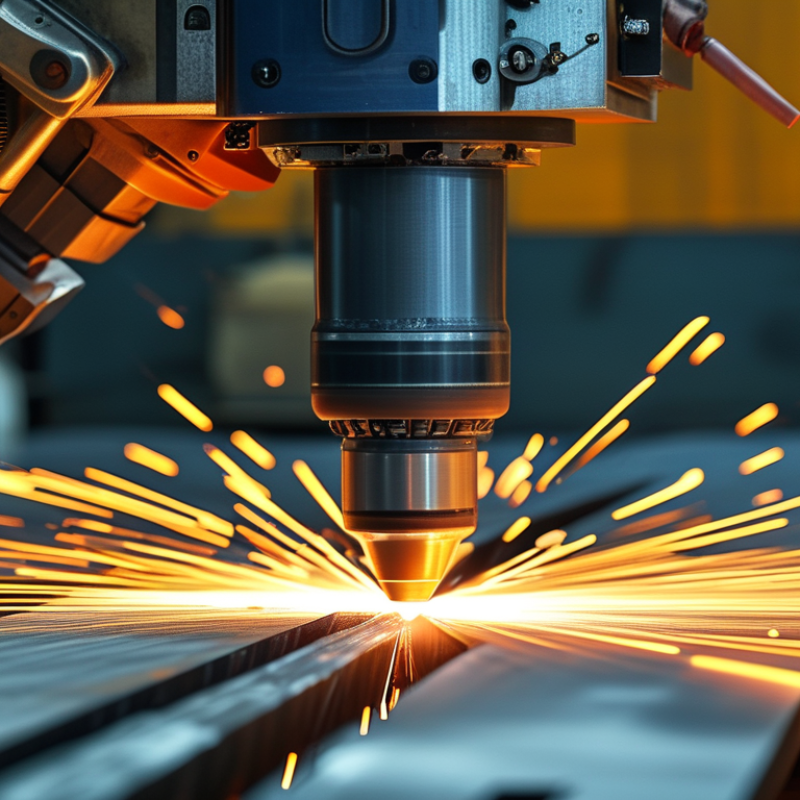
Laser cutting is a modern technology that uses focused light to cut materials with high precision. It operates by directing a powerful laser beam onto the material's surface. This process melts, burns, or vaporizes the material, creating a clean and smooth edge. In industries such as aerospace and automotive, laser cutting is essential for intricate designs and tight tolerances. Its ability to work with various materials, including metals and plastics, makes it versatile.
When considering laser cutting, keep in mind that while it offers speed and accuracy, there are limitations. Thick materials may result in slower cuts or compromises in edge quality. Additionally, the initial setup cost can be high. However, the long-term savings from reduced waste and lower labor costs often outweigh these concerns.
Craftsmanship is also a factor in laser cutting. Operators need to be well-trained to adjust settings accurately for different materials. This expertise ensures optimal results. The technology requires careful monitoring to prevent overheating, which could damage the material. It's crucial to understand these nuances when choosing between laser and mechanical cutting methods.
Definition and Overview of Mechanical Cutting Technology
Mechanical cutting technology plays a critical role in various manufacturing sectors. It involves the use of tools to remove material from a workpiece to achieve desired shapes and dimensions. This process can include techniques like milling, turning, and sawing. According to industry reports, mechanical cutting accounts for about 40% of all machining processes worldwide. This highlights not only its prevalence but also its importance in ensuring product quality and precision.
Despite its advantages, mechanical cutting does have limitations. Tool wear is a significant factor, often leading to inconsistent results over time. A study by the Manufacturing Technology Research Institute indicates that tool wear can cause deviations in dimensional accuracy by as much as 5% after prolonged use. This emphasizes the need for regular maintenance and monitoring of cutting tools. Furthermore, vibration and heat generation during cutting can affect the surface finish of materials, which is crucial for applications in aerospace and automotive industries.
The efficiency of mechanical cutting can be enhanced through advanced techniques and tools. However, it requires substantial investment in machinery and skilled labor. Many manufacturers face challenges in optimizing cutting parameters, which can impact productivity. Industry data suggests that poorly executed mechanical cutting can lead to increased scrap rates, sometimes exceeding 10% in certain operations. Understanding these intricacies is vital for manufacturers aiming to improve their cutting processes and achieve competitive advantages in the market.
Comparison of Laser Cutting and Mechanical Cutting Technologies
Key Differences in Process and Techniques Used
Laser cutting and mechanical cutting are two widely utilized techniques in manufacturing. The choice between them hinges on specific project requirements. Laser cutting uses a focused beam of light to melt or evaporate material. This process enables precise cuts with minimal heat distortion. A report from the Fabricators & Manufacturers Association notes that laser cutting can achieve tolerances of ±0.001 inches, making it ideal for projects requiring high precision.
In contrast, mechanical cutting relies on physical tools, like blades or shears, to slice through materials. This method is often more affordable and suitable for thicker materials. However, it may produce rough edges and requires post-processing for a clean finish. Research indicates that mechanical cutting can have a production speed of up to 100 inches per minute, yet this varies based on the material and thickness used.
While laser cutting offers significant advantages in accuracy, it may not always be the best choice for thicker or more rugged materials. Mechanical cutting, although less precise, could meet performance needs without the cost attached to laser technology. Each technique has its limitations, and evaluating the project needs is crucial for optimal results.
Materials Compatibility: Laser Cutting vs. Mechanical Cutting
When comparing laser cutting and mechanical cutting, materials compatibility is a crucial factor. Laser cutting excels with materials such as metals, plastics, and wood. It provides precision and clean edges. The process uses a focused beam of light, making it ideal for intricate designs. The heat from the laser melts or vaporizes the material. This results in minimal kerf and fine details.
Mechanical cutting, on the other hand, involves physical force. It works well with tough materials like steel or thicker substrates. This method can introduce burrs and rough edges, especially with harder materials. Tool wear is a consideration, too; it can impact cutting quality over time. Some materials may require extensive preparation before mechanical cutting. This can include sanding or deburring post-process.
Compatibility also depends on the thickness of the material. Laser cutting functions effectively with thin to medium thickness. Conversely, mechanical cutting is better suited for thicker materials. Each method has its advantages and limitations, making the choice context-specific. Understanding these nuances is essential for achieving the desired outcomes in cutting projects.
Applications and Industry Use Cases for Both Methods
Laser cutting and mechanical cutting are widely used in various industries. Each method offers unique benefits tailored to specific applications.
Laser cutting is often favored for its precision and ability to cut intricate designs. This technique is ideal for industries like aerospace and automotive, where accuracy is vital. It enables manufacturers to create complex shapes that would be difficult with traditional methods. However, there can be challenges. For instance, thicker materials may not cut as efficiently, resulting in increased costs and time.
Mechanical cutting, on the other hand, remains valuable in heavy-duty applications. It excels in cutting thicker metals and is preferred in construction and manufacturing sectors. While it may lack the finesse of laser cutting, it proves reliable for bulk operations. Yet, it can struggle with tight tolerances and might produce rough edges, requiring additional finishing processes. Each method carries its strengths and limitations, making the choice highly context-dependent.
FAQS
: Laser cutting uses focused light to cut materials with high precision. It creates clean edges by melting or vaporizing material.
Laser cutting offers speed and accuracy. It works well with various materials, allowing for intricate designs crucial in many industries.
Yes, thick materials can slow cuts and affect quality. Initial setup costs can also be high, which might deter some users.
Skilled operators are needed to adjust settings accurately. This expertise ensures the best results and minimizes errors during cutting.
Mechanical cutting is better for heavy-duty applications. It's ideal for thicker materials in sectors like construction and manufacturing.
No, while versatile, thick or dense materials may not cut efficiently, leading to increased costs and processing times.
Careful monitoring is crucial to prevent overheating. Overheating can damage the material and hinder the cutting process.
Yes, laser cutting may struggle with thicker materials, while mechanical cutting may produce rough edges needing finishing work.
You should evaluate the material's thickness, desired precision, and production needs. Each method has different strengths and weaknesses.
Not necessarily. Depending on the application, mechanical methods may provide a more efficient solution for bulk cutting tasks.
Conclusion
When exploring what is the difference between laser cutting and mechanical cutting, it's essential to understand the fundamentals of each technology. Laser cutting utilizes focused light beams to create precise cuts in materials, offering high accuracy and the ability to work with a wide range of materials, including metals, plastics, and composites. In contrast, mechanical cutting relies on physical tools, such as blades or dies, to remove material, which can be more suitable for thicker materials and certain applications but may be less precise.
Key differences also emerge in the process and techniques employed, where laser cutting tends to produce cleaner edges and requires no additional finishing. The compatibility of materials varies significantly between the two methods, with laser cutting being favored for intricate designs, while mechanical cutting is often employed for bulk production and simpler shapes. Both technologies serve distinct industries, with laser cutting commonly used in design and automotive sectors, whereas mechanical cutting finds its applications in construction and heavy-duty manufacturing. Understanding these distinctions is crucial for selecting the appropriate cutting method for specific project needs.

 CXO Laser