Top 10 Materials That Are Difficult for Laser Cutting?

Time:2026-06-13 Author:Amelia
0%

Laser cutting is a widely used technology in various industries, known for its precision and speed. However, not all materials are created equal when it comes to laser cutting capabilities. This leads to an important question: what materials are difficult for laser cutting? Understanding these challenges is essential for manufacturers and designers alike.

Some materials pose significant difficulties during the laser cutting process. For instance, high-density plastics can melt or warp easily. Certain metals, like titanium, require specialized equipment and settings. Even organic materials, such as wood, can be unpredictable with varying moisture content. These factors contribute to inconsistent cutting results.

Choosing the right material is crucial for achieving desired outcomes. However, it can be a challenge to balance performance and feasibility. Knowing which materials to avoid helps in making informed decisions. This knowledge streamlines production and reduces waste. As we explore the top ten materials that are difficult for laser cutting, we delve into the complexities of laser interactions and material properties.
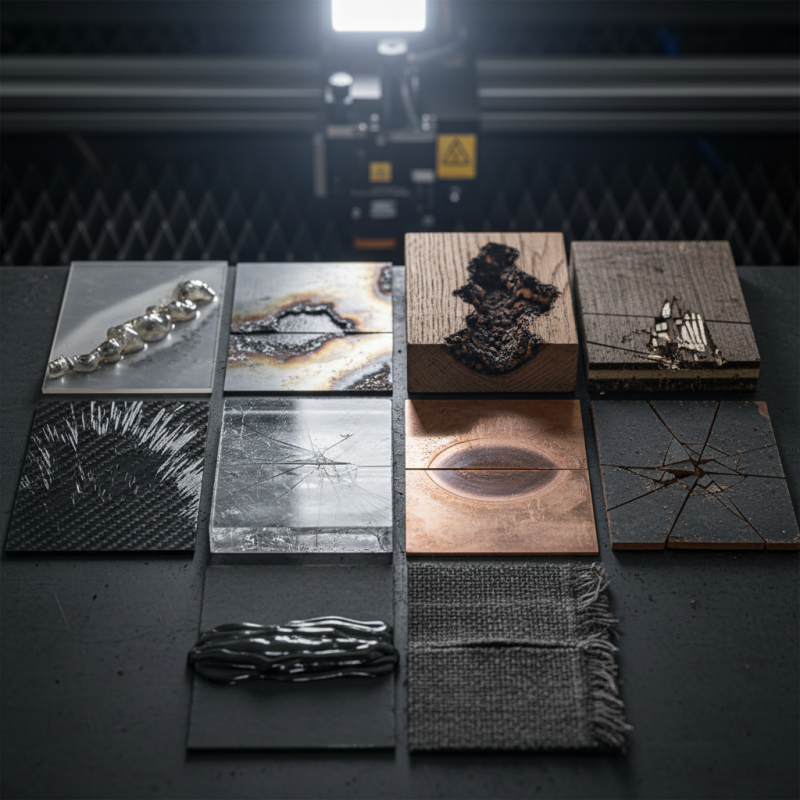
Top 10 Materials That Are Difficult for Laser Cutting?

Top 10 Materials That Are Difficult for Laser Cutting

Laser cutting has revolutionized various industries, yet some materials present significant challenges. For instance, metals with reflective surfaces can complicate laser cutting processes. Aluminum and copper tend to reflect laser beams, leading to energy losses. According to industry reports, up to 30% of potential energy can be wasted when cutting these metals.

Another category includes high-density plastics like polycarbonate. Their ability to absorb heat makes them prone to melting rather than cutting cleanly. An analysis showed that cutting polycarbonate can generate excessive heat, which leads to deformation. Many operators have encountered inconsistent results, questioning whether laser cutting should be used for such materials.

Materials with high moisture content also pose difficulties. Wood, for example, can expand or warp during the process. Industry insights suggest that moisture levels above 10% can negatively impact precision. These issues reveal the importance of selecting the right materials and understanding their properties. The complexities involved illustrate that not all materials are suitable for laser cutting without thorough consideration.

Understanding the Properties of Materials Impacting Laser Cutting Efficiency

Laser cutting efficiency is greatly influenced by the material properties. Certain materials pose significant challenges for this technology. For instance, metals like titanium and tungsten have high melting points. They require high-energy lasers to achieve effective cutting. Reports indicate that titanium's melting point is around 1660°C, which complicates the cutting process. This can lead to longer processing times and increased wear on the equipment.

Additionally, materials like ceramics and glass tend to absorb laser energy poorly. This inefficiency results in the need for higher power inputs. According to a study from the International Journal of Advanced Manufacturing Technology, the cutting speed of glass can be 30% slower compared to metals. Moreover, the risk of cracking or thermal shock increases with the laser heat. This leads to potential waste and quality issues during production.

In contrast, softer metals like aluminum are easier to cut. Yet, they can reflect laser light, causing efficiency issues as well. The ideal laser cutting environment is crucial. Understanding a material’s thermal conductivity, absorption rate, and physical structure is essential for optimizing the cutting process. These factors are often overlooked but can significantly impact cost and productivity in manufacturing.

Common Challenges Faced When Laser Cutting Metals and Alloys

Laser cutting is a precise technique, but it comes with its own set of challenges, especially when dealing with metals and alloys. One common issue is the material's thickness. Thicker metals absorb more energy, making it difficult for the laser to cut through effectively. This can lead to incomplete cuts or excessive heat, damaging the material integrity. Reflective materials are also problematic. They can reflect the laser beam, causing inaccuracies and potential harm to the cutting equipment.

Another challenge is the varying compositions of alloys. Different metal elements can react differently under laser cutting conditions. For instance, some may warp while others might oxidize, leading to poor edge quality. It's crucial to understand the specific properties of each alloy you work with. Moreover, there can be unexpected results. Sometimes, even a small change in the cutting speed can produce significant differences in the final cut. This inconsistency requires constant monitoring and adjustments during the cutting process.

Top 10 Materials That Are Difficult for Laser Cutting

Material Thickness (mm) Challenges Faced Recommended Settings
Stainless Steel 1-20 Reflective surface, hard material High power, slow speed
Copper 1-10 Highly reflective Pulse settings required
Aluminum 1-20 Low melting point, reflective High speed and low power
Titanium 1-12 High heat resistance Consistent focus and speed
Hardox Steel 4-10 Extreme hardness Higher power settings
Bronze 1-8 Difficult fusion Lower speed, higher power
Nickel Alloys 1-6 High melting point Technical settings needed
Plastic Wood Composites 1-20 Melting during cutting Lower power, higher speed
Glass 1-5 Fragility, heat management Low power and speed

The Role of Thickness and Density in Laser Cutting Difficulties

Thickness and density significantly influence the laser cutting process. When material thickness increases, the energy from the laser beam must penetrate deeper. This creates challenges, especially with metals or dense materials. A thicker sheet takes more time to cut through. The results can lead to uneven edges or burn marks. Each laser cutter has its limits, affected by the specific material in use.

Density is another critical factor. Higher density materials absorb more heat. This could result in slower cutting speeds and a higher risk of damage. For example, cutting through thick steel requires different settings compared to thinner aluminum. The laser may struggle with materials that are too dense, leading to poor quality cuts. Understanding these characteristics helps in optimizing laser cutting processes. The right balance is needed for effective outcomes.

Industry-specific Data on Laser Cutting Success Rates by Material Type

Laser cutting is a precise technology that can handle various materials. However, some materials pose significant challenges. According to a recent industry report, laser cutting success rates vary widely by material type. For instance, metals such as stainless steel and aluminum typically yield over 90% success. In contrast, materials like ceramic and certain plastics can have failure rates exceeding 50%.

When evaluating success rates, some materials exhibit inherent difficulties. Glass can shatter under laser heat. This creates a need for specialized techniques or alternative cutting methods. Furthermore, thick materials—like heavy metals—reduce cutting efficiency. The report indicates a significant drop in precision when the thickness exceeds 10mm.

Tips: Always test a small sample before full production. Monitor the temperature; excessive heat can warp materials. Consider adjusting speed settings for optimal results. If you discover high failure rates, reassess your equipment and settings. Doing so can improve outcomes and minimize waste. Understanding these nuances enhances the overall effectiveness of laser cutting processes across various industries.

FAQS

: What factors impact laser cutting efficiency?

: Material properties, such as thermal conductivity and absorption rate, significantly affect laser cutting effectiveness.

Why are certain metals challenging to cut with lasers?

Metals like titanium and tungsten have high melting points, requiring more energy for effective cutting.

How does glass behave during laser cutting?

Glass absorbs laser energy poorly, leading to slower cutting speeds and higher risk of cracking.

What issues arise with thicker metals during laser cutting?

Thicker metals can absorb excess energy, causing incomplete cuts and possible damage to the material.

Why are reflective materials a problem in laser cutting?

Reflective materials can send the laser beam back, leading to inaccuracies and equipment damage.

How do alloy compositions affect laser cutting?

Different alloys can react uniquely, causing warping or oxidization, which affects edge quality and performance.

What is the ideal environment for laser cutting?

An optimized environment considers material properties like structure and absorption to enhance cutting efficiency.

Can cutting speed influence the results of laser cutting?

Yes, even minor changes in speed can lead to significant differences in the quality of the cut.

Why is constant monitoring important during laser cutting?

To manage inconsistencies caused by different material behaviors and ensure optimal cutting performance.

What are the consequences of cutting inefficiencies?

Inefficiencies can result in increased production costs, longer processing times, and potential quality issues.

Conclusion

In the realm of laser cutting, certain materials present significant challenges that can affect efficiency and success rates. This article delves into the top 10 materials that are difficult for laser cutting, examining the unique properties that contribute to these difficulties. Factors such as thickness and density play critical roles, as denser and thicker materials often require more power and longer processing times, leading to potential complications during the cutting process.

Understanding what materials are difficult for laser cutting is vital for optimizing operations in various industries. The article also addresses common challenges faced when laser cutting metals and alloys, providing industry-specific data on success rates by material type. By identifying these challenges, businesses can better prepare for and adapt their techniques to achieve more reliable outcomes with their laser cutting projects.

Amelia

Amelia

Amelia is a seasoned marketing professional with a wealth of expertise in our company’s core offerings. With an unwavering passion for driving growth and innovation, she plays a pivotal role in shaping our marketing strategies and enhancing brand visibility. A key aspect of her responsibilities......