Why Improve Efficiency in Laser Cutting Systems to Boost Productivity?

Time:2026-05-09 Author:Liam
0%

In today's manufacturing landscape, the demand for laser cutting systems is on the rise. Reports indicate that efficient laser cutting can enhance production rates by up to 30%. This significant boost in productivity is driving companies to explore how to improve efficiency in laser cutting systems. With advancements in technology, businesses can now optimize their processes more than ever.

Efficiency in laser cutting is not just about speed. It encompasses precision, cost-effectiveness, and material utilization. For instance, reducing waste during the cutting process can lead to substantial cost savings. Industry studies suggest that companies implementing better laser technology see a 20% reduction in material waste. Yet, many operations still grapple with outdated methods.

The challenge remains: how can businesses fully harness these efficiencies? Many firms invest in training and technology upgrades but overlook system integration. Ultimately, understanding how to improve efficiency in laser cutting systems is crucial for maintaining a competitive edge. Companies must be willing to reflect on their practices and embrace innovation to thrive.
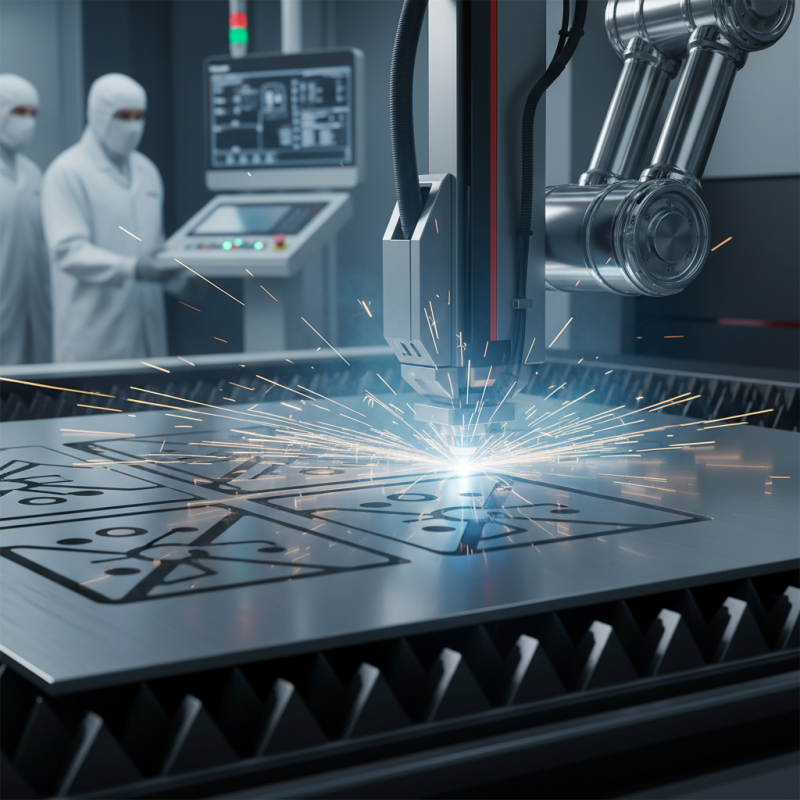
Why Improve Efficiency in Laser Cutting Systems to Boost Productivity?

Factors Impacting Efficiency in Laser Cutting Systems

Efficiency in laser cutting systems plays a crucial role in enhancing productivity across various industries. Different factors impact this efficiency, significantly influencing how resources are utilized. One major aspect is the power settings of the laser. If the power is too low, cutting may not be effective. Conversely, excessive power can lead to material damage. Finding the right balance requires experience and skill.

Material types also affect efficiency. Certain materials cut more smoothly than others. For instance, metals often require different settings compared to plastics. Operators must adapt their techniques accordingly. Understanding each material's properties is vital for maximizing performance. This crucial knowledge can significantly improve outcomes.

Maintenance is another factor that often gets overlooked. Regularly checking equipment can prevent breakdowns and reduce downtime. Issues like lens contamination can impact the quality of cuts. Operators should prioritize routine maintenance, yet it’s a task that is sometimes neglected. This oversight can diminish efficiency, highlighting the need for a disciplined approach to laser system management.

Technological Advancements in Laser Cutting Equipment

The landscape of laser cutting systems has transformed significantly due to technological advancements. Modern laser cutting equipment now offers higher precision and faster processing speeds. According to a 2023 industry report, high-power fiber lasers can cut materials at speeds up to 100 meters per minute. This increase in speed boosts overall productivity and reduces operational costs.

Moreover, the enhanced performance of laser systems contributes to waste reduction. Precision cutting minimizes material scrap, leading to cost savings. Research indicates that companies using advanced laser technology report up to a 30% decrease in waste. However, these advancements come with a steep learning curve. Operators must be trained to utilize the new technology effectively, which can initially slow down production.

Real-time monitoring and automation in modern systems pose both opportunities and challenges. While automation can increase efficiency, it may lead to unexpected downtimes if systems fail. Companies need to invest in preventive maintenance and employee training. The balance between leveraging technology and ensuring operational integrity is crucial for success.

Benefits of Increased Efficiency in Production Processes

Incorporating efficiency in laser cutting systems can significantly enhance productivity in various production processes. Increased efficiency translates to faster processing times, which reduces the overall manufacturing cycle. This improvement allows businesses to meet tighter deadlines while maintaining high-quality standards. Moreover, streamlining operations often leads to reduced energy consumption and lower operational costs, benefiting the bottom line.

Enhancing efficiency isn't just about speed. It also involves optimizing material usage. Efficient laser cutting minimizes waste, ensuring materials are used wisely. By reducing scrap, companies can save money and contribute to sustainability efforts. Every step taken towards efficiency can lead to noticeable changes in profitability and ecological impact.

**Tips:** Regularly evaluate your cutting setup. Make small adjustments to improve accuracy. Keep track of energy usage to identify areas for savings. Experiment with different cutting speeds and powers. Document results to learn what works best. Remember, the goal is progress, not perfection, so reflect on what your processes may lack.

Why Improve Efficiency in Laser Cutting Systems to Boost Productivity? - Benefits of Increased Efficiency in Production Processes

Efficiency Improvement Area Impact on Productivity (%) Cost Reduction (%) Increased Output (units/hour) Waste Reduction (%)
Advanced Laser Technology 20 15 30 10
Operator Training 15 5 20 5
Maintenance Optimization 10 8 15 7
Software Upgrades 25 12 35 8
Process Automation 30 18 40 12

Strategies to Optimize Laser Cutting Systems for Better Output

Improving efficiency in laser cutting systems can significantly enhance productivity. One effective strategy is optimizing the cutting speed. Adjusting the speed to match the material type is crucial. For instance, thicker materials often require slower speeds for precision cuts. However, excessive slowing can lead to unnecessary downtime. Balancing speed and quality is a challenge that requires constant assessment and adjustment.

Another area to focus on is the maintenance of the laser cutting equipment. Regular inspection of lenses and mirrors can prevent unnecessary disruptions. Dust and debris accumulation can affect the laser's performance over time. Moreover, implementing a routine maintenance schedule reduces the likelihood of unexpected failures. This proactive approach can feel tedious but is essential for maximizing output.

Training staff to understand the intricacies of the system also plays a vital role. Knowledgeable operators can adjust settings quickly to adapt to different projects. Lack of proper training, however, may lead to mistakes that compromise quality. Cultivating a culture of continuous learning can help staff navigate these challenges better. Efficiency is a collective effort, and mistakes along the way provide valuable opportunities for growth.

Measuring Productivity Gains in Laser Cutting Operations

Measuring productivity gains in laser cutting operations involves analyzing various factors. Efficiency is vital for maximizing overall output. Key metrics include cut speed, material utilization, and machine downtime. Each aspect directly affects productivity. Monitoring these metrics can provide valuable insights.

Consider measuring how long it takes to complete a specific project. Tracking this over time uncovers trends. You may find that certain materials cut faster than others. This information can guide future project planning.

Tips for enhancing measurement accuracy include using software tools. These can automate data collection and analysis. Regularly review machine performance settings. Small adjustments can lead to noticeable differences in output. Ensure operators are well-trained. Their expertise impacts productivity significantly.

Even in optimized systems, reflected data may reveal inconsistencies. Embrace these gaps as learning opportunities. Experiment with changes to identify better practices. Improvement is a continuous journey in laser cutting operations. Maintain an open mindset and adapt as needed.

Productivity Gains in Laser Cutting Operations

FAQS

: What impacts the efficiency of laser cutting systems?

: Efficiency is affected by power settings, material types, and maintenance practices. Each factor plays a big role.

Why is power setting important in laser cutting?

Too low power may lead to ineffective cuts, while too high can damage materials. Balance is key.

How do different materials affect laser cutting?

Metals and plastics require different settings. Operators need to adjust techniques based on material properties.

What role does maintenance play in laser cutting efficiency?

Regular maintenance prevents breakdowns and improves cut quality. Neglecting it can reduce efficiency significantly.

How can increased efficiency benefit production?

It leads to faster processing and reduced manufacturing cycles. This helps meet deadlines and maintain quality.

How does efficient laser cutting reduce waste?

By optimizing material usage and minimizing scrap, companies save money and support sustainability efforts.

Should operators reflect on their cutting processes?

Yes, reflecting helps identify areas for improvement. Progress requires constant evaluation of methods used.

What can operators do to improve their setups?

Regular evaluations, small adjustments, and tracking energy usage can all enhance efficiency over time.

Is achieving perfect efficiency the goal?

No, the focus should be on continuous progress and identifying shortcomings in current processes.

How can operators document results?

Keeping records of adjustments allows operators to learn what works best in their specific cutting scenarios.

Conclusion

Improving efficiency in laser cutting systems is essential for enhancing overall productivity in manufacturing processes. Factors such as machine performance, material utilization, and operational protocols significantly impact efficiency levels. Technological advancements in laser cutting equipment, including automation and improved software, have made it easier to achieve higher precision and speed, contributing to reduced waste and increased output.

To effectively address how to improve efficiency in laser cutting systems, manufacturers can implement strategies such as regular maintenance, staff training, and the integration of advanced cutting technologies. Measuring productivity gains through metrics like cycle time reduction and yield increments can further help organizations refine their processes. Ultimately, increased efficiency translates to better resource management and heightened competitiveness in the market.

Liam

Liam

Liam is a dedicated marketing professional with a profound expertise in the industry, where he excels at highlighting the unique advantages of our core products. With a keen understanding of market trends and consumer needs, Liam frequently updates our company’s professional blog, providing......