How to Increase Accuracy in Sheet Metal Cutting Techniques?

Time:2026-06-01 Author:Madeline
0%

In the competitive realm of sheet metal fabrication, precision is paramount. Experts emphasize the need for accuracy in cutting techniques. One notable voice in this field is Dr. Emily Carter, a seasoned engineer with over 15 years of experience. She asserts, “Achieving high accuracy in sheet metal cutting can significantly reduce waste and improve overall production efficiency.”

Understanding how to increase accuracy in sheet metal cutting requires a combination of advanced technology and skilled craftsmanship. Various cutting methods, including laser and plasma cutting, all have their unique strengths. However, they rely heavily on the operator's skill and the machine's calibration. Mistakes can lead to costly rework and project delays, highlighting the importance of continual training and process refinement.

Experimentation is essential in shaping better practices. Some companies have adopted innovative techniques to monitor cut quality and adjust settings in real-time. Others struggle with inconsistencies in their processes. There is no one-size-fits-all solution. A commitment to ongoing improvement is necessary to enhance the accuracy of this intricate task.
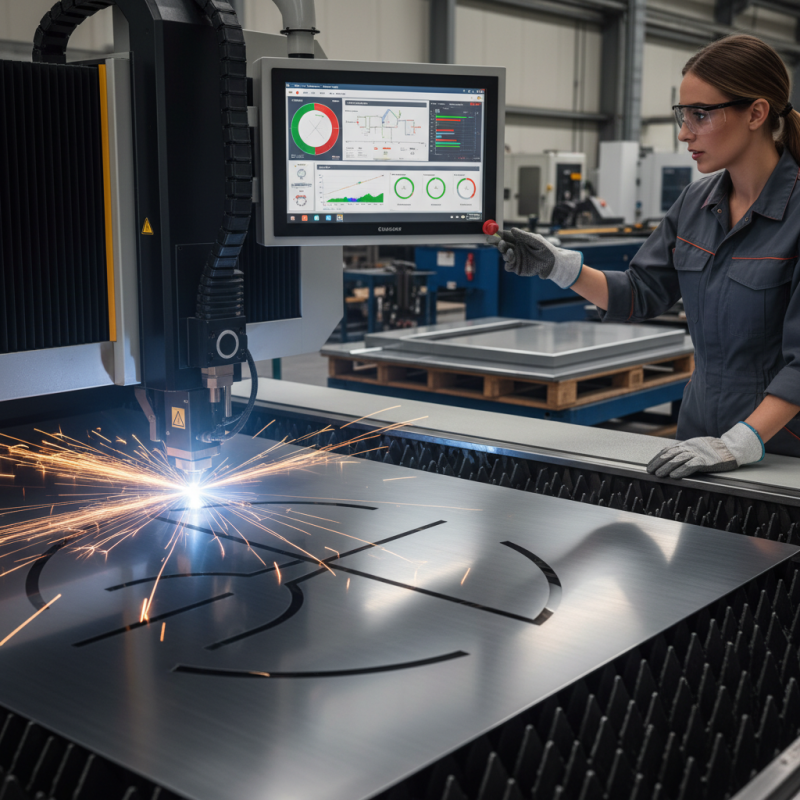
How to Increase Accuracy in Sheet Metal Cutting Techniques?

Methods for Improving Precision in Sheet Metal Cutting Techniques

Achieving precision in sheet metal cutting is vital for effective manufacturing. One effective method is laser cutting. High-energy lasers focus on small areas, creating exact cuts. However, precision depends on factors like material type and thickness. Operators must calibrate equipment carefully. Small errors can lead to significant discrepancies.

Another method involves waterjet cutting. This process uses high-pressure water to slice through metal. It avoids thermal distortion, which can affect the integrity of the cut. Yet, maintaining the right pressure and nozzle distance is critical. Operators often find that even slight adjustments can change outcomes.
Investing in training is also essential. Skilled workers can read drawings and interpret specifications more accurately. Mistakes happen, especially when workers are rushed. Regular practice and reviews can identify areas needing improvement. Building a culture of precision encourages attention to detail at every level.

Utilizing Advanced CNC Technology for Enhanced Cutting Accuracy

Advanced CNC technology plays a pivotal role in enhancing accuracy in sheet metal cutting. Recent industry reports indicate that utilizing precision CNC machines can improve cutting accuracy by up to 50%. These machines enable intricate designs that traditional methods cannot achieve, resulting in tighter tolerances and reduced waste.

Efficiency is another significant factor. With automated processes, companies have witnessed a 30% increase in productivity. More importantly, the precision of CNC cutting minimizes the need for secondary operations. This reduces costs and enhances turnaround times. However, challenges remain. Operators must be well-trained to manage these advanced systems effectively. Inadequate training can lead to costly errors.

Moreover, integrating newer technologies like laser and plasma cutting with CNC systems may further elevate performance. A 2022 survey revealed that 45% of manufacturers reported interest in hybrid technologies for future investments. While the potential is enormous, the industry must also consider sustainability practices. Continuous improvement in accuracy and efficiency must not compromise environmental responsibility. Balancing these factors is crucial for long-term success.

How to Increase Accuracy in Sheet Metal Cutting Techniques? - Utilizing Advanced CNC Technology for Enhanced Cutting Accuracy

Technique CNC Machine Type Material Type Thickness (mm) Cutting Precision (mm) Cycle Time (min)
Laser Cutting Fiber Laser CNC Stainless Steel 2.0 0.05 5
Plasma Cutting Plasma CNC Mild Steel 4.0 0.2 8
Waterjet Cutting Waterjet CNC Aluminum 5.0 0.1 10
Shearing Mechanical Shear CNC Carbon Steel 3.0 0.15 6

Material Selection's Impact on Accuracy in Sheet Metal Fabrication

In sheet metal fabrication, material selection plays a crucial role in determining the accuracy of cutting techniques. Different materials possess varying properties, which can significantly affect precision. For example, mild steel is easier to cut accurately than harder alloys. Improper material choices can lead to unintended distortion or warping during the cutting process, impacting overall quality.

When selecting materials, consider their thickness and type. Thicker sheets may require more power, increasing the likelihood of error. Each material should be tested for its behavior under specific cutting conditions. This includes examining factors like kerf width and potential burn marks.

Tips:

Use test cuts to verify results before committing to full production.
Always document material properties against cutting techniques.
Regularly revisit and adjust your material inventory based on past cutting experiences. Identifying these patterns can lead to improved accuracy over time.

The Role of Tool Maintenance in Achieving Consistent Cutting Precision

When it comes to sheet metal cutting, tool maintenance plays a crucial role in achieving consistent cutting precision. A well-maintained tool can significantly reduce the likelihood of errors during the cutting process. Regular inspection of tools is necessary to ensure that blades and edges are sharp and free of damage. Dull tools can lead to increased friction, which can cause imprecise cuts and wasted material.

Tips for effective tool maintenance include establishing a routine schedule for checking your cutting tools. Even minor wear can affect performance. Clean tools after each use to prevent residue buildup that might hinder cutting efficiency. Additionally, it’s important to store tools properly to avoid accidental damage. This simple step can prolong the life of the tools and ensure that they remain effective.

Investing time in tool maintenance is a reflection of a commitment to quality. It may seem like a tedious task, but neglecting it can lead to increased costs and rework. Remember, perfection may not always be achievable, but consistent efforts can lead to improved accuracy and reliability in sheet metal cutting.

How Maintenance Practices Affect Cutting Accuracy

Measuring and Analyzing Tolerances to Optimize Cutting Performance

Accurate measurements are crucial in sheet metal cutting. Minor discrepancies can lead to significant issues. Properly understanding and analyzing tolerances ensures that cuts are precise. This approach reduces waste and enhances efficiency, which are key to optimizing cutting performance.

When measuring tolerances, always employ reliable tools. Calipers and micrometers provide accurate readings. Regularly calibrate these instruments to maintain consistency. Keep in mind that environmental factors, like temperature and humidity, can affect measurements. Adjust your processes accordingly to avoid inaccuracies.

Tips: Always document your measurements and changes. Tracking details helps identify patterns over time. This can lead to better decision-making. Encourage team members to share their observations. Different perspectives often reveal overlooked issues. A collaborative approach enhances the overall accuracy of cutting techniques.

FAQS

: What is an effective method for precise sheet metal cutting?

: Laser cutting is effective. It focuses on small areas for exact cuts. However, material type and thickness affect precision.

How does waterjet cutting maintain cut integrity?

Waterjet cutting uses high-pressure water. It avoids thermal distortion, which can compromise the cut. Correct pressure and nozzle distance are crucial.

Why is operator training important in cutting techniques?

Skilled workers interpret specifications accurately. Mistakes may occur due to rushing. Regular practice helps identify improvement areas.

What role does advanced CNC technology play in cutting accuracy?

CNC technology enhances accuracy significantly. It improves precision and allows intricate designs. However, operators must be well-trained.

How can measuring and analyzing tolerances optimize performance?

Accurate measurements are vital. Minor discrepancies can lead to big issues. Properly analyzing tolerances reduces waste and improves efficiency.

What tools should be used to measure tolerances accurately?

Reliable tools like calipers and micrometers are essential. Regular calibration maintains their accuracy. Environmental factors can affect readings.

How can documenting measurements benefit cutting techniques?

Documenting measurements helps track patterns. This can improve decision-making. Team collaboration uncovers overlooked issues.

What challenges can arise with advanced cutting systems?

Without adequate training, costly errors may happen. Operators need to effectively manage these advanced systems.

How does integrating new technologies impact cutting performance?

New technologies like hybrid systems can enhance performance. They also require consideration of sustainability practices for long-term success.

Conclusion

Increasing accuracy in sheet metal cutting is crucial for achieving high-quality fabrication results. Various methods can be employed to enhance cutting precision, including leveraging advanced CNC technology, which allows for intricate designs and precise cuts with minimal human error. Additionally, careful selection of materials plays a significant role, as certain metals and thicknesses can affect cutting performance and accuracy.

Proper tool maintenance is another key factor in achieving consistent cutting precision. Regularly sharpening and replacing tools ensures clean cuts and reduces the likelihood of errors. Furthermore, accurately measuring and analyzing tolerances can help optimize cutting performance, allowing for adjustments that boost overall precision. By focusing on these strategies, manufacturers can significantly learn how to increase accuracy in sheet metal cutting, leading to improved efficiency and reduced waste in the fabrication process.

Madeline

Madeline

Madeline is a dedicated marketing professional with a wealth of expertise in our company's core offerings. With a keen understanding of the industry, she brings a unique perspective to her role, consistently delivering high-quality content that highlights the superior aspects of our products. As......