In today’s advanced manufacturing landscape, understanding what industries need high precision material cutting is crucial. Various sectors rely on this technology for their operations. Industries such as aerospace, automotive, and medical devices demand exactness. Precise cuts are vital for safety and functionality in these fields.
Consider aerospace, where even minor errors can lead to catastrophic outcomes. The need for flawless components is paramount. Automotive manufacturers also require precision to ensure performance and compliance with strict regulations. Medical device production must adhere to tight tolerances to provide effective solutions. These industries show a clear pattern: accuracy is non-negotiable.
However, not all businesses appreciate the importance of precision cutting. Some may underestimate its impact on quality and efficiency. This oversight can lead to subpar products. Industries should reflect on their practices and seek ways to enhance precision in their material cutting processes. It’s clear that the demand for precision is growing. Understanding which industries prioritize this practice is essential for future innovation and development.
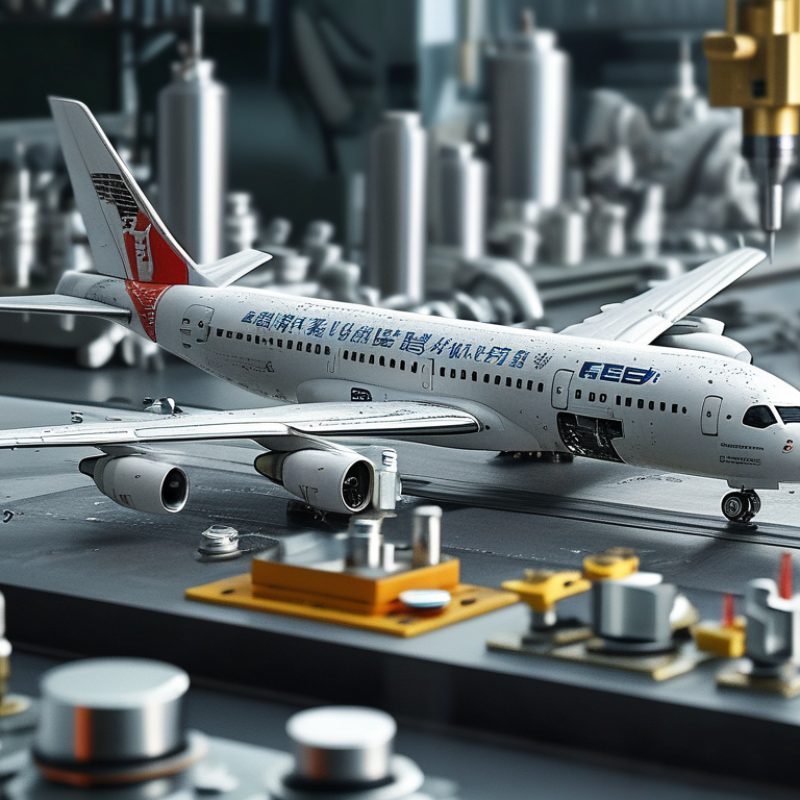
High Precision Material Cutting: Definition and Importance
High precision material cutting is vital across many industries. It refers to the process of cutting materials with high accuracy and minimal waste. This technique ensures that components fit perfectly, leading to better product performance and durability. Industries such as aerospace and medical rely heavily on precise cuts to meet stringent safety standards. Even small errors can lead to significant failures.
The process itself requires advanced technology. Laser cutters and water jets are common tools used in this field. These technologies provide a high level of control over cuts, enabling intricate designs. However, achieving high precision is not without challenges. Operators must be well-trained, and equipment requires regular maintenance. There’s always a risk of tool wear and contamination, which can compromise quality.
Several sectors, like automotive and electronics, must continually adapt to new materials. This constant evolution creates a demand for cutting solutions that can achieve accuracy consistently. However, not all processes are foolproof. Errors can occur, highlighting the importance of regular quality checks. In summary, high precision material cutting is not just a technique; it is a crucial element that ensures quality, performance, and safety across multiple industries.
Aerospace Industry: Precision Cutting for Safety and Performance
The aerospace industry demands the highest precision in material cutting. Every component must meet rigorous safety and performance standards. According to the Federal Aviation Administration (FAA), precision cutting improves the reliability of critical components by 30%. This enhancement is essential for aircraft wings, fuselage sections, and engine parts. Errors in cutting can lead to catastrophic failures, which highlights the importance of accuracy in this field.
While laser cutting is common, other methods like water jet cutting are gaining popularity. Water jet cutting offers precision without the heat-affected zones. This ensures the integrity of materials like titanium and aluminum, which are crucial in aircraft construction. It's fascinating how advancements in technology are pushing these cutting methods further.
Tip: Always prioritize quality over speed. A rushed job can lead to significant errors. Investing in training for operators can enhance precision. Regular maintenance of cutting machinery is also vital to maintain accuracy.
Sometimes, companies overlook these details, leading to costly mistakes. The aerospace industry thrives on mistakes avoidance. Continuous improvement must be a priority. Finding reliable tech partners to ensure advanced cutting solutions can make a difference. Precision is not just an option; it’s a necessity in aerospace.
Medical Devices: Essential Applications of High Precision Cutting
High precision cutting plays a vital role in the medical device industry. Devices like pacemakers and surgical instruments require exact specifications. Any deviation can lead to severe complications. Operators must understand the intricacies of the materials used. Precision cutting ensures that every component fits perfectly and functions correctly.
The techniques used in high precision cutting vary significantly. Laser cutting is common for its accuracy and ability to handle different materials. Water jet cutting is another option, especially for thicker materials. Each method has its strengths and weaknesses, making selection critical. Sometimes, even minor errors can result in significant issues. Quality control measures are essential to maintain standards.
In this field, expertise is crucial. Many professionals undergo extensive training to master these techniques. This knowledge enhances reliability in the production of medical devices. Nonetheless, industry innovations constantly push boundaries. New methods may arise, leading to better outcomes. The quest for perfection remains ongoing, reflecting the industry's commitment to patient safety.
Top 10 Industries That Need High Precision Material Cutting - Medical Devices
| Industry |
Application |
Material |
Precision Requirement |
| Orthopedic Devices |
Implants & Prosthetics |
Titanium Alloys |
±0.01 mm |
| Cardiovascular Devices |
Stents & Catheters |
Stainless Steel |
±0.005 mm |
| Dental Devices |
Crowns & Bridges |
Ceramics |
±0.02 mm |
| Surgical Instruments |
Scalpels & Forceps |
Carbon Steel |
±0.01 mm |
| Electromedical Devices |
Monitors & Therapeutic Devices |
Polymer Composites |
±0.1 mm |
| In Vitro Diagnostic Devices |
Test Kits |
Glass & Plastics |
±0.05 mm |
| Implantable Devices |
Pacemakers |
Medical Grade Plastics |
±0.01 mm |
| Neurosurgical Devices |
Deep Brain Stimulators |
Titanium Alloys |
±0.005 mm |
| Ophthalmic Devices |
Lenses & Surgical Tools |
Optical Glass |
±0.01 mm |
| Veterinary Devices |
Surgical Equipment |
Stainless Steel |
±0.02 mm |
Automotive Manufacturing: Enhancing Quality through Precision Cutting
In the automotive manufacturing sector, precision cutting is a cornerstone of quality production. High precision cutting tools ensure that every component meets stringent standards. These tools are crucial for enhancing vehicle safety and performance. Misalignments or inaccuracies can lead to serious defects. This can affect not only product reliability but also brand reputation.
Tips: Regularly calibrate cutting machines. This ensures they operate at optimal precision. Train staff to monitor cutting processes closely. They can catch issues early.
Additionally, choosing the right materials is vital. Some alloys and composites require specialized cutting techniques. Investing in advanced technology can streamline these processes. However, be aware that not all cutting solutions will be perfect. Experimentation may be necessary to find the best fit for specific projects. This reflects a commitment to continuous improvement in the automotive industry.
Electronics Sector: Meeting Demands with Advanced Cutting Technologies
The electronics sector is evolving rapidly, with a growing demand for high precision material cutting. Advanced cutting technologies are crucial for meeting these demands. Precision cutting ensures that components fit together perfectly, which is essential for the functionality of electronic devices. This precision allows manufacturers to create smaller, more complex parts that enhance performance.
Consider the intricate designs of modern smartphones. Each component must be cut with exact precision. A slight deviation can lead to malfunctions. This reality emphasizes the importance of investing in reliable cutting technologies. Companies must ensure their processes are robust and capable of delivering high-quality materials. However, challenges persist, such as keeping up with fast-paced industry changes while maintaining precision standards.
Moreover, the industry faces continuous pressure to innovate. While advanced machines can enhance cutting precision, they also come with a learning curve. Employees need training to operate them effectively. Balancing cutting-edge technology with workforce competency is an ongoing challenge. It's a reminder that in striving for perfection, one must also address human factors and adaptability in the ever-evolving landscape of electronics.
FAQS
: It ensures components fit perfectly, reducing the risk of complications. Precision is crucial for device functionality.
Laser cutting and water jet cutting are popular. Each has unique strengths suited for various materials.
Regular quality checks prevent errors. Minor mistakes can lead to serious issues, particularly in medical devices.
Extensive training is essential to master techniques. This expertise improves reliability in production processes.
No, experimentation may be needed. Different materials often require tailored cutting methods.
Regular calibration of machines is necessary. Staff training also helps monitor processes for early detection of issues.
Alignments and material choices can lead to inaccuracies. Continuous improvement is required to overcome these obstacles.
New methods can lead to better outcomes. The industry constantly seeks advancements to enhance safety and efficiency.
Not always. Special materials may require specific approaches. Choosing the right technique is critical.
It helps find the best methods for unique projects. Perfection is a goal, but not always achievable on the first try.
Conclusion
High precision material cutting is a critical process that ensures the safety, performance, and quality of components across various industries. The aerospace sector relies on precision cutting to enhance safety and performance, where even the slightest deviation can be catastrophic. Similarly, the medical devices industry utilizes high precision cutting to manufacture intricate components essential for patient care. Additionally, the automotive manufacturing industry benefits from precision cutting by improving the overall quality of vehicle components.
In the electronics sector, advanced cutting technologies meet the increasing demand for smaller, more efficient components. Thus, when considering what industries need high precision material cutting, aerospace, medical devices, automotive manufacturing, and electronics emerge as the top fields that depend on these meticulous cutting techniques to ensure product reliability and excellence.

 CXO Laser