How Does Laser Cutting Work on Ceramic Materials?

Time:2026-04-14 Author:Sienna
0%

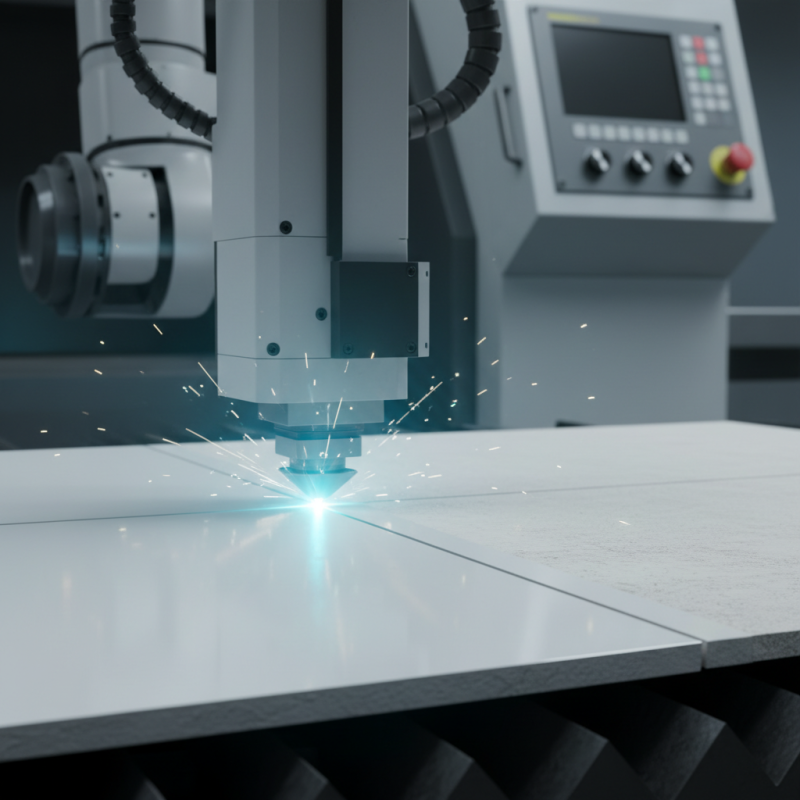
Laser cutting has revolutionized many industries, particularly in working with ceramic materials. Understanding how does laser cutting work on ceramic materials is crucial for manufacturers. The precision and efficiency of laser technology bring significant advantages to the shaping and finishing of ceramics.

When laser cutting is applied to ceramics, it involves focused light energy that can precisely vaporize or melt the material. This method minimizes mechanical stress, ensuring high accuracy and a smooth finish. However, there are challenges. Ceramics are brittle, which means improper settings can lead to cracking or chipping.

Many factors influence this process. The thickness of the ceramic, the type of laser, and the cutting speed all play vital roles. Engineers often face the dilemma of finding the right balance between speed and quality. Experimentation is key, as the ideal parameters may vary significantly across different ceramic types. This relationship between machinery and materials requires continuous learning and adaptation.
How Does Laser Cutting Work on Ceramic Materials?

Understanding the Basics of Laser Cutting Technology

Laser cutting technology has revolutionized various manufacturing processes, particularly for materials like ceramics. This technology employs focused laser beams to efficiently cut through different types of ceramic materials. According to a market research report from Research and Markets, the laser cutting equipment market is anticipated to grow at a CAGR of 6.23% by 2027. This growth highlights an increasing reliance on precision in industries such as automotive and aerospace.

Ceramic materials are inherently brittle. Thus, using traditional cutting methods often results in fractures and waste. Laser cutting addresses these challenges by providing a non-contact process that minimizes mechanical stress. The ability to achieve intricate designs with high precision makes laser cutting invaluable. Reports indicate that laser cutting can achieve tolerances as tight as ±0.1 mm. However, this precision comes at a cost; improper calibration can lead to heat damage or uneven cuts, underscoring the importance of skilled operators.

Moreover, selecting the right laser type is crucial for optimal outcomes. CO2 lasers are commonly used for ceramics, yet fiber lasers are gaining attention for their efficiency and versatility. This shift may lead to concerns regarding operational costs and training for personnel. As industries embrace this technology, the balance between cost-effectiveness and the technical complexities of utilizing laser cutting remains an area that requires further exploration and reflection.

How Does Laser Cutting Work on Ceramic Materials?

Parameter Description Typical Values
Laser Type Type of laser used for cutting CO2 Laser, Fiber Laser
Wavelength Range Wavelength of the laser light 10.6 µm (CO2), 1.064 µm (Fiber)
Power Density Intensity of the laser beam applied 1,000 - 20,000 W/cm²
Cutting Speed Speed at which the laser moves during cutting 100 - 500 mm/min
Material Thickness Max thickness of ceramic material that can be cut Up to 20 mm
Edge Quality Quality of the cut edges Smooth with minimal burrs
Applications Common uses for laser cutting ceramics Tiles, Porcelain, Technical Ceramics

The Science Behind Laser Interaction with Ceramics

Laser cutting technology has revolutionized various industries, including the processing of ceramic materials. The interaction between laser beams and ceramics is complex and intriguing. When a laser strikes the ceramic surface, it creates a rapid rise in temperature, leading to localized melting or material removal. This precise method allows for intricate designs that traditional cutting methods cannot achieve.

The science behind this process is rooted in the properties of ceramics. Ceramics are generally brittle and resistant to thermal shock. When the focused energy of a laser is directed onto them, it can cause thermal stress. Surprising cracks or chips might occur if the parameters are not controlled. Understanding these variables is crucial for achieving clean cuts. In addition, the speed of the laser and its type can affect the outcome, highlighting the need for careful calibration.

Notably, different ceramic compositions respond variably to laser cutting. This variability can lead to inconsistent outcomes if not properly managed. Factors such as thickness and surface texture also play significant roles in the efficiency of the cutting process. Ultimately, mastering laser cutting in ceramics requires an in-depth knowledge of both materials and technology. The pursuit of perfection in this field is ongoing, reflecting the nature of innovation itself.

Types of Laser Cutters Used for Ceramic Materials

Laser cutting has become a popular method for working with ceramic materials. Different types of laser cutters are designed to handle these unique and challenging materials effectively. CO2 lasers are commonly used for ceramic cutting. They produce a high-intensity beam, which can penetrate the hard surface of ceramics. The effectiveness of CO2 lasers depends on the ceramic's thickness and composition.

Another type is the fiber laser. This cutter excels in precision and speed. Fiber lasers use a different approach by generating light through fiber optics. They tend to be more energy-efficient, which can lead to lower operational costs over time. The precision cuts produced by fiber lasers can minimize cracks and imperfections in ceramics.

Choosing the right laser cutter requires an understanding of the specific ceramic material being used. Factors like hardness and brittleness impact the cutting process. While these technologies offer great advantages, challenges remain. For instance, improper settings can lead to chipping or uneven edges. Careful calibration and testing are necessary to achieve optimal results.

Applications of Laser Cutting in Ceramic Manufacturing

Laser cutting technology offers significant advantages in ceramic manufacturing. The precise, high-energy laser beams allow for intricate designs that are difficult to achieve through traditional methods. A recent industry report noted that laser cutting reduces waste by up to 30%. This efficiency is crucial in an industry where material costs are rising.


Applications of laser cutting in ceramics extend beyond simple shapes. It enables customization for various industries, including aerospace and electronics. For instance, manufacturers use laser cutting to create complex components like insulators and substrates. Data indicates that the market for laser-cut ceramics is projected to grow at a CAGR of 5.2% through 2026. This growth reflects the technology's increasing acceptance.


Despite these advantages, challenges remain. The high initial investment for laser cutting systems can deter small manufacturers. Additionally, achieving high-quality cuts requires skilled operators. Many companies struggle to find the right talent to maximize their laser cutting capabilities. These factors highlight the need for ongoing training and development in the field.

Advantages and Limitations of Laser Cutting on Ceramics

Laser cutting ceramics offers distinct advantages and some notable limitations. One significant advantage is precision. Research indicates that laser cutting achieves tolerances as tight as ±0.1 mm. This precision allows for intricate designs that would be impossible through traditional methods. Additionally, laser cutting reduces material waste. Reports show that this technique can save up to 50% of material, an essential factor when working with costly ceramic substrates.

However, not all ceramics respond well to laser cutting. Brittle materials can crack under heat, leading to significant losses. A study by the International Journal of Advanced Manufacturing Technology notes that thermal stress can cause micro-fractures in certain ceramic types. Furthermore, the cost of equipment is a consideration. High-quality laser systems may require substantial investment, which can outweigh the benefits for smaller operations.

Despite its advantages, laser cutting is not universally applicable. Engineers must weigh material types and desired outcomes carefully. Some cutting applications may still favor conventional methods. This balancing act of benefits and challenges creates a dynamic landscape for those exploring laser technology in ceramics.

FAQS

: What is laser cutting technology?

: Laser cutting technology uses focused laser beams to cut materials, especially ceramics, efficiently and precisely.

Why is laser cutting preferred for ceramics?

It minimizes mechanical stress and reduces waste, addressing the brittleness of ceramic materials.

What precision can laser cutting achieve?

Laser cutting can achieve tolerances as tight as ±0.1 mm, allowing for intricate designs.

What challenges does laser cutting face?

Improper calibration can lead to heat damage, uneven cuts, and requires highly skilled operators.

How does laser cutting impact waste reduction?

Laser cutting can reduce material waste by up to 30%, which is vital due to rising material costs.

What are the limitations of laser cutting on ceramics?

Brittle materials may crack under heat, causing losses, and some types may not respond well to laser cutting.

What factors should be considered when choosing laser cutting?

Material types, required precision, and the skill level of operators are crucial for optimal results.

What is the market trend for laser-cut ceramics?

The market is projected to grow at a CAGR of 5.2% through 2026, indicating increasing acceptance of laser cutting technology.

Are there training needs for laser cutting?

Yes, ongoing training is essential as many companies struggle to find skilled operators for laser cutting systems.

How does cost affect the use of laser cutting?

The high initial investment may deter smaller manufacturers, making them reconsider the value of laser cutting.

Conclusion

Laser cutting technology is a precise and efficient method used for shaping and processing ceramic materials. Understanding how does laser cutting work on ceramic materials involves grasping the fundamentals of laser technology and the unique properties of ceramics. The interaction between the laser beam and ceramic surfaces is based on thermal energy, where the laser heats, melts, or even vaporizes the material depending on its characteristics.

Various types of laser cutters, such as CO2 and fiber lasers, are employed for ceramic applications, each offering different advantages in terms of precision and speed. The ability to create intricate designs and complex shapes makes laser cutting invaluable in ceramic manufacturing, with applications ranging from automotive to artistic ceramics. However, while the process offers numerous benefits, such as reduced material waste and enhanced accuracy, it also comes with limitations, including the potential for thermal stress and cracking in certain ceramic types.

Sienna

Sienna

Sienna is a skilled marketing professional with a deep expertise in our company’s core products and services. With a passion for innovation and detail, she plays a pivotal role in crafting insightful blog posts that not only highlight the unique features of our offerings but also provide valuable......