In today's competitive manufacturing landscape, choosing the right cutting method is crucial. Many companies face the dilemma of selecting between laser cutting and stamping. This decision directly impacts product quality, production efficiency, and overall costs. One key question arises: what are the advantages of laser cutting over stamping?
Laser cutting offers precise control and versatility. It can manage intricate designs that stamping often cannot achieve. The technology allows for quick adjustments, which can save time and reduce waste. Moreover, laser cutting minimizes physical wear on tools, leading to fewer maintenance costs.
However, it is essential to acknowledge the potential downsides. Laser cutting can be energy-intensive and may not be appropriate for every material or thickness. Some manufacturers may find that initial equipment costs are higher than stamping. Thus, while laser cutting provides many benefits, companies must thoroughly assess their specific needs and constraints before making a switch.
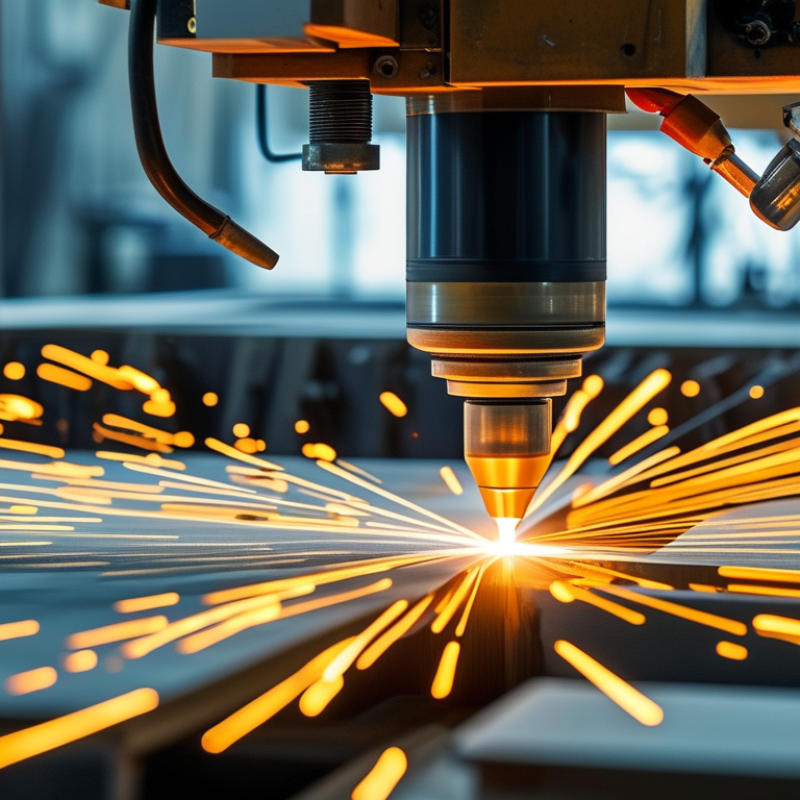
Laser Cutting vs. Stamping: An Overview of Manufacturing Processes
Laser cutting and stamping are two distinct manufacturing processes. Each has its own advantages and challenges. Understanding these can help businesses choose the right technique for their needs.
Laser cutting uses focused laser beams to slice through materials. This method offers precise and intricate cuts. It works well with various materials, like metals, plastics, and textiles. However, the initial cost of laser cutting machines can be high. Maintenance of these machines requires skilled technicians. Not all companies can justify the investment.
On the other hand, stamping utilizes molds to shape materials, typically metals. This technique is faster for high-volume production. It can produce consistent shapes with less waste. Yet, stamping may lack the flexibility of laser cutting. Complex designs might require multiple processes. These can slow down production and increase costs. Each method has nuances that deserve consideration. A thorough analysis of specific manufacturing demands is necessary for making the right choice.
Benefits of Laser Cutting: Precision, Versatility, and Material Compatibility
Laser cutting has gained popularity in manufacturing due to its precision. Unlike stamping, which relies on molds, laser cutting uses focused light to cut materials. This method ensures clean, accurate edges. Precision is vital in applications like aerospace and automotive industries. A slight deviation can lead to significant issues. Laser cutting minimizes these risks.
Versatility is another key advantage. Laser cutting can work with various materials, from metals to plastics. This trait allows manufacturers to explore creative designs without limitation. It adapts easily to different thicknesses and shapes. Stamping, on the other hand, can be restrictive. It is often limited to specific materials and requires custom molds, which can be costly.
Material compatibility is crucial. Laser cutting can handle complex geometries. This feature opens up new possibilities for artistry and innovation. However, it is essential to consider the specific requirements of each project. Not every application will benefit from laser cutting. Reflecting on your needs can help determine the best approach. Balancing precision and material compatibility can enhance overall production efficiency.
Comparison of Laser Cutting and Stamping
Cost Considerations: Comparing Laser Cutting and Stamping for Production
Laser cutting and stamping are two prominent methods in manufacturing. Each has its own cost implications, and choosing the right one can impact your bottom line significantly. According to a report by the Fabricators & Manufacturers Association, laser cutting can reduce material wastage by up to 30%. This efficiency can lead to significant savings over time, especially in high-volume production.
One area where laser cutting excels is in its ability to handle complex designs. Stamping can struggle with intricate shapes, leading to higher setup costs. A common data point shows that laser cutting setup times can be 50% shorter than that of stamping. This quick turnaround can save both time and money, especially in industries needing rapid prototyping.
Tips: Evaluate the design complexity before deciding. If designs are intricate, laser cutting might be more cost-effective. However, for simple designs, stamping could still be efficient. Always consider long-term costs versus initial investment.
Efficiency and Speed: How Laser Cutting Enhances Manufacturing Timelines
Laser cutting has emerged as a game-changer in the manufacturing industry, particularly in enhancing efficiency and speed. Unlike stamping, laser cutting uses focused light to slice through materials with incredible precision. This method reduces setup time significantly since it requires fewer tools and fixtures. Consequently, manufacturers can quickly adjust their designs without long lead times. This flexibility allows for rapid prototyping and shorter production cycles.
Moreover, the speed of laser cutting affects not just timelines but also resource management. The technology can operate continuously, producing intricate shapes and patterns without compromising quality. However, it’s essential to consider the initial investment in laser cutting equipment. Companies must evaluate their needs against potential return on investment. While laser cutting offers speed, there will always be a learning curve. Training staff to operate this advanced technology is crucial. Balancing these factors leads to a more informed decision in choosing laser cutting over traditional methods.
Why Choose Laser Cutting Over Stamping for Your Manufacturing Needs?
| Feature |
Laser Cutting |
Stamping |
| Setup Time |
Low (minutes) |
High (hours to days) |
| Material Versatility |
High (metals, plastics, wood) |
Moderate (limited to metals) |
| Precision |
High (±0.01 mm) |
Moderate (±0.1 mm) |
| Waste Production |
Low |
High |
| Production Speed |
Fast (complex parts in minutes) |
Slower (set up requires tooling) |
| Cost-Effectiveness |
Competitive for small runs |
Cost-effective for large volumes |
| Post-Processing |
Minimal (clean edges) |
Often required (deburred surfaces) |
Applications of Laser Cutting in Various Industries: A Case Study Approach
Laser cutting has transformed manufacturing processes across various industries. A report from the Cutting Technologies Journal highlights that laser cutting can achieve precision up to ±0.005 mm, far exceeding traditional stamping processes. This precision is particularly crucial in the aerospace and automotive sectors, where component accuracy directly impacts safety and performance. In a case study from the automotive industry, companies using laser cutting reported a 25% reduction in material waste, allowing for more sustainable manufacturing practices.
In the electronics industry, laser cutting applications include PCB production. The ability to cut intricate designs without damaging sensitive components is vital. Data from the Electronic Manufacturing Association reveals that manufacturers using laser cutting see a 30% faster production time for complex parts. However, some companies still rely on stamping due to its cost-effectiveness for high-volume runs. This reluctance to adopt newer methods often stems from a lack of familiarity with laser technology.
While laser cutting offers many advantages, it is not without limitations. Initial setup costs can be high, potentially deterring smaller manufacturers. A 2023 survey indicated that 40% of small businesses feel overwhelmed by the technology's complexity. Yet, as industries evolve, the ability to innovate through methods like laser cutting will be crucial for remaining competitive, especially in fast-paced markets.
FAQS
: Laser cutting uses focused laser beams to slice through various materials. It offers precise and intricate cuts.
Laser cutting works well with metals, plastics, and textiles. Different materials can be used effectively.
The initial cost can be high. Some businesses may struggle to justify this investment.
Stamping uses molds to shape metals. It is faster for high-volume production but less flexible.
Stamping may struggle with complex designs. This can lead to slower production and higher costs.
Yes, laser cutting can reduce material wastage by up to 30%. This efficiency can lead to long-term savings.
If your designs are intricate, laser cutting could be more cost-effective. Consider the complexity first.
Laser cutting often has setup times that are 50% shorter than stamping. This can save time and costs.
Analyze your specific manufacturing needs and long-term costs. Each method has its own advantages and challenges.
Yes, the choice can affect efficiency and costs. Reflect on your specific requirements to avoid disappointment.
Conclusion
Laser cutting offers several advantages over stamping, making it a preferred choice for many manufacturing needs. The key benefits include enhanced precision, versatility in handling various materials, and compatibility with complex designs. These elements allow manufacturers to achieve high-quality results that are often unattainable with stamping techniques.
Cost considerations also play a significant role, as laser cutting can lead to lower production costs due to reduced material waste and faster setup times. Furthermore, laser cutting enhances efficiency and speeds up manufacturing timelines, allowing for quicker turnaround on projects. Various industries, from automotive to aerospace, have successfully implemented laser cutting, demonstrating its applicability and effectiveness through numerous case studies. Ultimately, the question of what are the advantages of laser cutting over stamping highlights its superior precision, flexibility, and operational efficiency, making it an ideal solution for modern manufacturing.

 CXO Laser