Laser technology has revolutionized the way we cut materials across various industries. Understanding what materials can be cut with laser technology is essential for businesses aiming to optimize their production processes. Lasers offer precision and efficiency that traditional cutting methods often lack.
Numerous materials can be efficiently processed using lasers. Metals, such as steel and aluminum, can be effortlessly cut with high accuracy. Plastics and wood are also popular choices, benefiting from the clean edges produced by laser cutting. Even fabrics can be adeptly handled, allowing for intricate designs.
However, not all materials are suitable for laser cutting. Some composites may react poorly, leading to damage. It is crucial to weigh the advantages against the challenges. This understanding enhances decision-making and minimizes costly mistakes. Exploring what materials can be cut with laser technology opens a new world of possibilities for innovation in design and manufacturing.
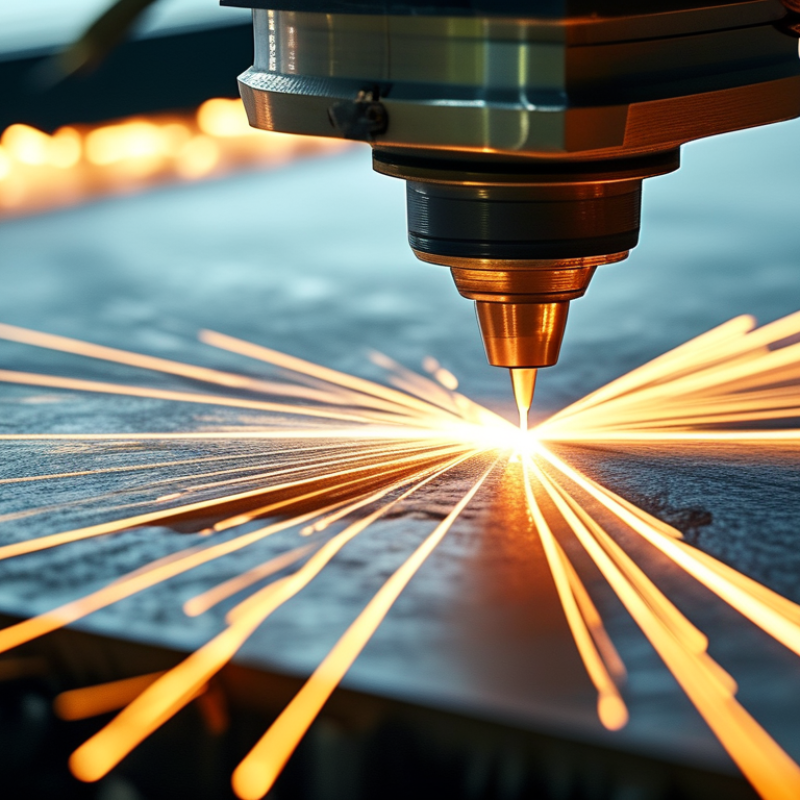
Types of Materials Suitable for Laser Cutting
Laser cutting is a versatile technology used across various industries. One of the most common materials suitable for laser cutting is metal. Different types of metals, like stainless steel, aluminum, and brass, respond well to laser cutting. This method allows for precise cuts, enabling intricate designs and high-quality finishes. However, varying metal thicknesses can lead to challenges in achieving consistency and accuracy.
Another significant category is non-metal materials. Wood, for instance, can be beautifully cut and engraved using a laser. The natural grain of the wood can enhance the final product's aesthetic. Plastics, such as acrylic and PVC, are also popular choices. They can be cut quickly and cleanly, but care must be taken to avoid melting or warping. The heat generated during cutting can sometimes create undesirable effects.
Textiles represent a unique area of laser cutting. Fabrics like cotton, felt, and leather can be shaped precisely. This opens new possibilities for fashion and design. The thin layers may require specific settings, as different fabrics behave differently under heat. Achieving the perfect cut without damaging the material remains a challenge. Each type of material demands attention and expertise, highlighting the importance of understanding laser technology's capabilities and limitations.
Materials Suitable for Laser Cutting
Common Metals Used in Laser Cutting Applications
Laser cutting technology is revolutionizing the metal fabrication industry. It offers precise cutting capabilities for various metals. Steel, aluminum, and brass are among the most common materials processed using this advanced method.
Steel is widely utilized due to its strength and durability. Laser cutting is particularly effective for creating intricate designs in stainless steel. Aluminum, being lightweight yet sturdy, benefits from laser technology for applications like automotive parts. The process enables detailed cuts without compromising material integrity.
Brass, often used in decorative items, also sees laser cutting applications. However, care must be taken with thicker materials. The heat generated can affect the finish. Despite its strengths, laser cutting isn't perfect. Operators may need to experiment with settings to achieve desired results. It’s a continuous learning process for those in the industry.
What Materials Can Be Cut Using Laser Technology?
| Material |
Typical Thickness Range (mm) |
Application |
| Mild Steel |
0.5 - 25 |
Fabrication, Automotive Parts |
| Stainless Steel |
0.5 - 15 |
Kitchen Equipment, Medical Devices |
| Aluminum |
0.5 - 20 |
Aerospace Components, Signage |
| Copper |
0.5 - 5 |
Electrical Applications, Heat Exchangers |
| Brass |
0.5 - 10 |
Decorative Parts, Plumbing |
| Plastic |
0.5 - 20 |
Packaging, Prototyping |
| Wood |
1 - 25 |
Furniture, Crafts |
Plastics and Composites: Laser Cutting Capabilities
Laser cutting technology has revolutionized how we process materials, especially plastics and composites. These materials are widely used in various industries due to their versatility and lightweight properties. Laser cutting provides precision and flexibility, making it an ideal choice for intricate designs.
Plastics like acrylic, polycarbonate, and PVC respond exceptionally well to laser cutting. The laser can create clean edges and detailed patterns without causing significant heat damage. This precision is crucial for applications such as signage and prototypes. Composites, on the other hand, present challenges due to their layered structure. Cutting composites requires careful settings to avoid delamination, ensuring a smooth finish.
While laser technology offers numerous benefits, there are limitations. For instance, thicker materials can be more challenging to cut uniformly. Inaccurate settings may lead to rough edges or incomplete cuts. Experimentation is essential to improve results and enhance the overall cutting process. Each material has its unique characteristics, and finding the ideal cutting parameters requires patience and understanding.
Laser Cutting of Wood and Natural Materials
Laser cutting has revolutionized how we work with wood and natural materials. This technology provides precise cuts with a high-quality finish. It is particularly effective on materials like plywood, MDF, and cork. The clean edges produced reduce the need for extensive finishing work. Craftspeople can create intricate designs and patterns, opening up new avenues for creativity.
When cutting wood, the thickness matters. Different thicknesses require different laser settings. Too much power can char the edges, while too little may not cut through effectively. Experimentation is often needed to find the right balance. It's a learning process, and sometimes cuts do not turn out as expected. Understanding these dynamics is crucial for achieving desired results.
Natural materials like leather and bamboo also yield impressive results with laser cutting. The versatility of this method allows for everything from decorative items to functional products. However, there are challenges. The texture and grain of the material can affect the quality of the cut. Each piece requires careful consideration and adjustments. Mastering these techniques can take time, but the outcomes are well worth the effort.
Textiles and Fashion: Laser Cutting Techniques
Laser cutting techniques have revolutionized the fashion and textile industries. These methods allow designers to create intricate patterns and designs with precision. The use of lasers can produce smooth edges on fabrics. Complex shapes that would be difficult to achieve with traditional cutting methods are now possible.
Textiles such as cotton, silk, and synthetic fabrics can all be laser-cut. This technology also offers the ability to customize each piece. Designers can quickly change patterns based on trends or client needs. However, the process isn’t flawless. Sometimes, fabrics might fray or scorch if the settings are not accurate. This requires constant adjustments and testing.
Moreover, laser cutting can lead to waste if not handled efficiently. Precision is vital, but mistakes do happen. Each project comes with a learning curve. Designers must continually refine their techniques to minimize errors. Embracing these challenges can lead to innovative solutions in the textile industry.
FAQS
: Metals like steel, aluminum, and brass are common, along with non-metals like wood, plastics, and textiles.
Laser cutting enhances wood's natural grain, creating beautiful designs, but precision is needed to avoid damaging it.
Yes, acrylic and PVC can be cut cleanly, but care is needed to prevent melting or warping due to heat.
Varying metal thickness may lead to inconsistencies, and operators must experiment to achieve the right settings.
It allows for intricate designs and smooth edges, enabling customization based on trends, but requires precise settings.
Fabrics may fray or scorch, highlighting the need for constant adjustments and careful monitoring during cutting.
If not managed well, it can lead to waste. Precision is crucial, yet mistakes may occur, demanding continuous improvement.
Different fabrics behave variably under heat; knowledge of each type is essential for achieving the best results.
Every project has a learning curve, and refining techniques can lead to minimizing errors and promoting innovation.
Conclusion
Laser technology has revolutionized the cutting process across various industries by enabling precise cuts on a wide range of materials. When exploring "what materials can be cut with laser technology," one finds that metals such as steel, aluminum, and brass are commonly utilized due to their ability to withstand high-temperature laser beams. Additionally, plastics and composites are suitable for laser cutting, offering versatility in design and application, particularly in automotive and consumer goods.
Natural materials like wood and textiles also benefit from laser cutting, allowing for intricate designs and patterns that enhance aesthetic appeal and functionality. In the fashion industry, laser cutting techniques can create detailed fabric cuts with minimal fraying, showcasing the versatility of this technology. Overall, the variety of materials suitable for laser cutting highlights its significance in modern manufacturing and artistic endeavors.

 CXO Laser