The optimization of laser cutting processes has become crucial for industries seeking superior quality and efficiency. Burrs, unwanted raised edges that form on cut surfaces, can significantly impair the final product. According to a recent report by the Laser Institute of America, nearly 30% of laser-cut components require rework due to burr problems. This statistic highlights the importance of understanding how to reduce burrs in the laser cutting process.
Expert Robert Millar, a renowned specialist in laser technology, emphasizes, "Effective burr reduction not only enhances product quality but also improves production efficiency." His insights reflect the industry's ongoing challenge. Manufacturers often seek solutions to improve cutting accuracy and reduce cleanup time. Specific parameters, such as laser power and cutting speed, play critical roles in minimizing burr formation.
While advancements in laser technology continue, the issue of burrs remains complex. Even with improved equipment, strategies for burr reduction require consistent testing and adjustment. An understanding of materials and processes is essential. It’s vital for businesses to focus on continuous improvement and innovation in their laser cutting practices.
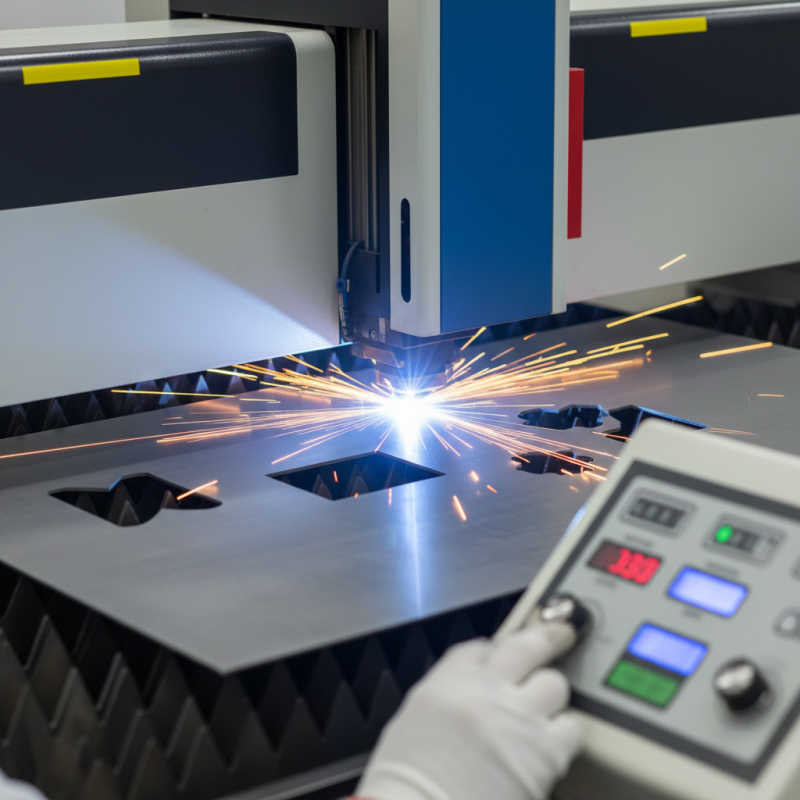
Understanding Burrs in Laser Cutting: Definition and Causes
Burrs in laser cutting are unwanted protrusions on a workpiece's edge. They can affect both the quality and functionality of the final product. Understanding their causes is essential for improvement. Generally, burrs form due to excessive heat, incorrect cutting speeds, or material properties. High temperatures melt the edges, leading to jagged surfaces. Moreover, a soft material can exacerbate the problem, resulting in more significant burr formation.
To minimize burrs, consider adjusting your cutting speed. A slower speed allows for more precise cuts and reduces the chances of melting. Additionally, using the proper gas assist can improve the cut quality. Oxygen or nitrogen can make a noticeable difference. Keep in mind that not all materials will respond the same. Testing different speeds and gas combinations is vital to find the optimal settings.
Regular maintenance of the laser cutting machine is equally important. Dull lenses and misaligned beams can worsen burr generation. Inspecting these components frequently can ensure consistent performance. Remember, refining your laser cutting process is a journey. Be prepared for trial and error, as perfection may require multiple adjustments.
Selecting the Right Laser Cutting Parameters to Minimize Burr Formation
When selecting the right laser cutting parameters, one must focus on settings that reduce burr formation. Choosing the correct power and speed is crucial. High power can lead to excessive melting and burrs. Conversely, low power may result in incomplete cuts. It's a delicate balance, requiring adjustments based on the material type.
Tips: Always test different power levels. Monitor your results closely. If you observe an increase in burr size, it might be time to lower your power setting. Keep a record of your tests for future reference.
Gas assist settings also play a role in burr reduction. Using a suitable gas type and pressure can help clear molten material effectively. Too much pressure may blow away the cut material and create uneven edges. Low pressure might not remove enough debris, leading to burrs. Finding the right pressure is essential.
Tips: Experiment with various gas types. Oxygen or nitrogen might yield different results. Observe how each affects burr formation and adjust accordingly. Regular maintenance of your laser equipment can also enhance performance and reduce unintentional burrs.
Material Choices: How Different Materials Affect Burr Generation
When it comes to burr generation in laser cutting, material selection plays a crucial role. Different materials react uniquely to the high temperatures produced during cutting. For instance, metals like aluminum tend to create sharper burrs. This occurs due to the melting point and thermal conductivity of the material, which may not dissipate heat effectively. Consider testing various alloys to find one that minimizes burr formation while still meeting project requirements.
On the other hand, softer materials like wood or certain plastics can demonstrate better burr control. Their lower melting points allow for cleaner cuts with minimal leftover debris. However, this comes with an increased risk of warping, requiring careful attention during the cutting process. Various thicknesses can also yield different burr outcomes. Thinner materials might cut cleanly, while thicker ones could pose challenges, leading to unwanted burr formation.
Understanding the intricacies of material properties can enhance laser cutting results. However, a perfect solution doesn’t exist. Each material choice comes with trade-offs that need consideration. Frequent experimentation and adjustments are often necessary to find the right balance for specific applications.
How Material Choices Affect Burr Generation in Laser Cutting
Post-Processing Techniques for Reducing Burrs in Finished Parts
Post-processing techniques play a vital role in reducing burrs in laser-cut parts. Laser cutting can leave rough edges that affect the final product's quality. According to industry reports, approximately 30% of laser-cut parts require additional finishing to achieve desired standards. This emphasizes the need for effective post-processing methods.
A common technique is mechanical deburring. This involves using brushes or abrasives to smoothen edges. A study from the Fabricators & Manufacturers Association showed that mechanical deburring can reduce burr height by up to 70%. Additionally, utilizing vibratory finishing methods helps remove small burrs and achieves a uniform surface finish. This process can also enhance the parts' aesthetics and functionality.
Tips: Always perform a thorough inspection after cutting. Identifying burrs early can save time. Consider the material properties; harder materials may require more aggressive post-processing techniques. Keeping your equipment well-maintained ensures consistent results. Lastly, don’t overlook the importance of operator training; skilled workers can significantly improve the finishing phase. With these strategies, achieving burr-free laser-cut parts becomes more attainable.
Preventive Maintenance of Laser Cutting Equipment for Optimal Results
Preventive maintenance of laser cutting equipment is crucial for achieving optimal results. Regularly inspecting and servicing these machines can significantly reduce the occurrence of burrs, enhancing the quality of each cut. Data from a recent industry report indicates that a well-maintained laser cutting system can improve cutting accuracy by up to 30%. It's vital to focus on key aspects, such as the alignment of the lens and mirrors, which directly affect the beam quality.
Operators should establish a routine maintenance schedule. This includes cleaning optics and checking gas levels. Ignoring these tasks can lead to degraded performance and increased production costs. A study found that systems with neglected maintenance exhibited a 25% increase in production errors. Furthermore, worn-out parts can introduce unintended variations in cut quality, which poses challenges for high-precision applications.
Even with proper maintenance, not all variables can be controlled. Environmental factors like humidity and temperature fluctuations can also impact performance. Operators should be aware of these influences and adapt settings accordingly. Continuous monitoring and adjustment are essential for sustaining the effectiveness of laser cutting processes. Such diligence not only mitigates burr formation but also fosters overall operational reliability.
FAQS
: Burrs are unwanted protrusions on a workpiece's edge that affect quality and functionality.
Burrs typically form due to excessive heat, incorrect cutting speeds, and material properties.
A slower cutting speed allows for more precise cuts and reduces melting, minimizing burr formation.
Using proper gas types like oxygen or nitrogen can improve cut quality and reduce burrs.
Regular maintenance prevents dull lenses and misaligned beams, which can worsen burr generation.
Operators should monitor power settings closely; high power can cause excessive melting, leading to more burrs.
Humidity and temperature fluctuations can affect performance, requiring operators to adapt their settings.
Yes, testing various speeds and gas combinations is vital to find optimal settings for different materials.
A routine maintenance schedule can significantly reduce burr occurrences and enhance cut quality.
Failing to maintain equipment can lead to increased errors and production costs.
Conclusion
In the quest for high-quality laser cutting results, understanding burrs—unwanted protrusions or rough edges formed during the cutting process—is essential. To learn how to reduce burrs in laser cutting process, it is crucial to recognize their causes, which can stem from factors like incorrect cutting speed, power settings, and the type of materials used. By selecting appropriate laser cutting parameters tailored to specific materials, one can significantly minimize burr formation.
Additionally, the choice of materials plays a vital role, as some generate fewer burrs than others. Employing effective post-processing techniques can further refine the finished parts, smoothing out any remaining imperfections. Regular preventive maintenance on laser cutting equipment ensures optimal performance and consistency, helping to achieve the best possible outcomes in reducing burrs.

 CXO Laser