How to Reduce Burrs in Laser Cutting for Better Quality?

Time:2026-08-17 Author:Henry
0%

Laser cutting is a widely used technique in manufacturing. However, issues like burr formation can affect quality and aesthetics. Understanding how to reduce burrs in the laser cutting process is crucial for achieving a clean finish. According to industry expert Dr. Emily Carter, "Minimizing burrs requires attention to both settings and material choices."

Burrs can be particularly problematic when cutting metals. They not only compromise the part's appearance but can also affect functionality. The right combination of laser speed, power, and gas assist can help minimize these imperfections. Yet, many manufacturers overlook these settings, leading to inconsistent results.

Investing in advanced technology can be beneficial. However, the human factor and machine maintenance are equally important. Reflecting on mistakes in previous projects can lead to better practices in the future. Ultimately, focusing on how to reduce burrs in the laser cutting process enhances overall product quality and customer satisfaction.
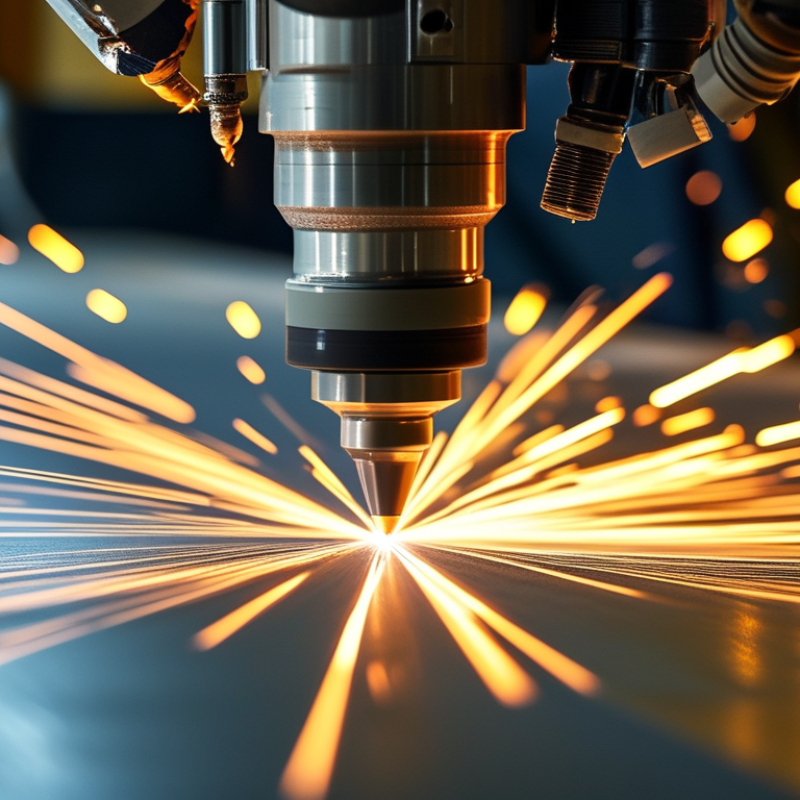
How to Reduce Burrs in Laser Cutting for Better Quality?

Understanding Burr Formation in Laser Cutting Processes

Burr formation is a common challenge in laser cutting processes. When materials are cut, the intense heat can cause melting and re-solidification. This often leads to the creation of unwanted burrs. Understanding this process is key to achieving cleaner cuts.

To reduce burrs effectively, consider adjusting the cutting speed and power settings. Slower speeds can produce smoother edges. High power can increase heat, contributing to more burrs. Experiment with different settings to find the optimal balance for your specific material.

In addition to speed and power, focus on the type of gas used during cutting. Different gases, like oxygen or nitrogen, can impact the quality of the cut and the amount of burrs produced. Nitrogen, for example, often yields a cleaner finish. Regularly maintaining your laser cutter is crucial too. A well-maintained machine performs better and reduces the chance of burr formation. Be mindful of how each component interacts in the cutting process.

How to Reduce Burrs in Laser Cutting for Better Quality?

Parameter Impact on Burr Formation Recommended Values Industry Best Practices
Laser Power Higher power can increase melt and thus burr formation. 1000-1500 W for mild steel Optimize power settings based on material thickness.
Cutting Speed Too fast can lead to increased burrs; too slow can cause excessive melting. 500-1000 mm/min Find a balance between speed and quality with test cuts.
Assist Gas Pressure Can impact the removal of molten material and burr formation. 1-2 bar for oxygen; 0.5-3 bar for nitrogen Adjust based on material type and desired finish.
Nozzle Size Larger nozzles can lead to wider kerfs and potential burrs. 1-2 mm diameter Select nozzle size based on material thickness.
Material Type Different materials react differently to laser cutting. Steel, Aluminum, Copper Conduct material-specific tests to determine optimal settings.

Key Factors Influencing Burr Generation in Laser Cutting

Burr generation during laser cutting is an inevitable challenge. Various factors influence this occurrence, leading to varying quality in finished products. According to industry reports, over 30% of laser-cutting professionals report burrs affecting overall efficiency. The choice of laser settings—such as power, speed, and focus—plays a crucial role. For instance, higher speeds can produce more burrs, while lower speeds may offer cleaner cuts.

Material type is another significant factor impacting burr formation. Certain metals are more prone to burr production due to their thermal properties. Stainless steel, for example, often results in finer burrs compared to aluminum. Research indicates that adjusting assist gas types can dramatically affect burr quality. Nitrogen often reduces oxidation and thereby minimizes burrs, while oxygen can aggravate this issue.

Additionally, the thickness of materials influences burrs. Thicker materials usually require more energy, leading to higher heat input and increased burr formation. Even with advanced laser technologies, some manufacturers still struggle with burr consistency. A thoughtful review of the cutting process is essential to optimize outcomes. Addressing these variables can vastly improve the final product's precision.

Techniques for Optimizing Laser Settings to Minimize Burrs

Achieving high-quality laser cuts requires optimizing laser settings to reduce burr formation. Burrs can affect the mechanical properties and aesthetics of the final product. According to industry reports, excessive burrs can lead to additional costs of up to 25% in post-processing. Effectively managing laser parameters can significantly enhance cut quality.

One important factor is the laser speed. Slower speeds generally produce cleaner cuts. Balancing cutting speed with power settings is crucial. Optimal power settings can reduce heat-affected zones, minimizing burr build-up. Adjusting the focal point of the laser also plays a vital role. A well-focused beam leads to precise cuts and reduces the chances of burrs.

Tips:

  • Regularly monitor laser performance.
  • Consider using assist gases like nitrogen or oxygen.
  • Fine-tune focus for each material type.

Experimentation is key. Not every setting will yield perfect results on the first try. There may be instances of unexpected burr formation despite expert adjustments. Continuous learning from these inconsistencies is essential for long-term improvement. Each material responds differently, so it’s essential to document successful parameters and learn from failures.

Material Selection and Thickness Considerations for Laser Cutting

When it comes to laser cutting, material selection plays a critical role. Different materials react uniquely to laser cutting processes. For example, metals like stainless steel tend to produce fewer burrs compared to aluminum. According to industry reports, stainless steel sheets thinner than 4mm generally exhibit less burr formation, with reduction rates of up to 30%. Material properties such as reflectivity, thickness, and density directly affect the results.

Thickness is another essential factor. Thicker materials often lead to more significant burrs due to prolonged exposure to the laser. Data shows that cutting through materials thicker than 10mm can increase burrs by nearly 50%. Choosing the right thickness can help mitigate this common issue. Additionally, pre-treating materials, such as by applying coatings, can further reduce burr formation during the cutting process. The right combination of material type and thickness can dramatically enhance the overall cutting quality.

However, no method is perfect. It’s crucial to recognize that even with optimal material choices, some burrs may still occur. The laser cutting process is influenced by variables such as speed, power, and gas assistance. A miscalibration in these settings may lead to unwanted outcomes. It's vital to continually refine techniques based on specific project needs and results. This continuous learning process is essential for achieving ideal outcomes in laser cutting.

Effective Post-Processing Methods to Remove Burrs from Cut Parts

Laser cutting is an efficient method for creating precise components. However, burrs often appear on the edges of cut parts, leading to quality issues. Effective post-processing methods are essential for removing these burrs and improving overall surface quality.

One common method is mechanical deburring. This process involves using tools like sanding discs or brushes to smooth rough edges. Careful attention is needed during this step to ensure you do not remove excess material.

Another popular technique is vibratory finishing. This method employs media like ceramic or plastic to gently polish the cut surfaces. It is effective but can be time-consuming, requiring multiple cycles for optimal results.

Chemical deburring is also gaining popularity. It uses specific solutions to dissolve burrs without damaging the part. This method can be risky; improper handling may lead to unintended surface changes. In addition, each of these methods requires evaluation of the cut material. Each type of metal can react differently to deburring techniques, necessitating careful testing and adjustment. It’s essential to weigh the benefits against potential drawbacks during this process.

FAQS

: What factors affect burr formation during laser cutting?

: Key factors include laser speed, power settings, and the focal point. Slower speeds and optimal power reduce burrs.

How does the choice of material influence burrs?

Different materials respond differently, with metals like stainless steel producing fewer burrs than aluminum.

What is the impact of material thickness on burrs?

Thicker materials can lead to more burrs. Cutting materials over 10mm can increase burr formation significantly.

How can laser settings be optimized to improve cut quality?

Regular monitoring and adjustments of laser speed, power, and focus for each material type can enhance quality.

Is it normal for burrs to still form despite careful adjustments?

Yes, unexpected burrs may occur. Continuous learning from these inconsistencies is essential for improvement.

What role do assist gases play in laser cutting?

Using assist gases like nitrogen or oxygen can improve cut quality and reduce burr formation.

Should I pre-treat materials before laser cutting?

Yes, pre-treating with coatings can help reduce burr formation during the cutting process.

How often should laser performance be monitored?

Regular monitoring is crucial for maintaining optimal performance and reducing burrs in cutting operations.

Can trial and error lead to better results in laser cutting?

Experimentation is important. Not every setting will work perfectly on the first attempt; adjust and learn.

What if laser settings are miscalibrated?

Miscalibrated settings can lead to unwanted burrs, highlighting the need for constant refinement based on results.

Conclusion

In exploring how to reduce burrs in the laser cutting process, it's essential to understand the mechanisms behind burr formation. Burrs are typically generated due to factors such as laser power, cutting speed, and material characteristics. Adjusting these parameters can significantly influence the quality of the cut and the presence of burrs.

Key techniques include optimizing laser settings, such as adjusting the focus and power levels, as well as carefully selecting materials based on thickness and type. Thinner materials may require different settings than thicker ones to minimize burr production. Additionally, effective post-processing methods, such as sanding or filing, can successfully remove any remaining burrs from cut parts. By implementing these strategies, manufacturers can enhance the quality of their laser-cut products while reducing additional finishing work.

Henry

Henry

Henry is a dedicated marketing professional with a profound expertise in the company's offerings. With years of experience in the industry, he possesses an impressive understanding of the market dynamics and consumer behaviors that drive success. Henry is committed to sharing his insights through......