Top 10 Tips for Choosing a Laser Cutting Machine for Industry

Time:2026-07-28 Author:Sienna
0%

Choosing a laser cutting machine for industrial use can be overwhelming. The variety of options available may confuse even experienced professionals. Understanding how to choose a laser cutting machine for industrial use is essential for maximizing production efficiency and ensuring high-quality results.

When selecting a machine, consider key factors like power, speed, and material compatibility. Each choice significantly affects how the machine performs for specific applications. Lack of clarity in these areas may lead to costly mistakes. Researching different manufacturers and their offerings can help narrow down your options.

Moreover, do not overlook factors such as support and maintenance services. A reliable partner can enhance the longevity of your investment. Assessing customer feedback and expert reviews can provide valuable insights, but remember that individual experiences may vary. Making an informed decision involves analyzing both technical specifications and real-world performance.
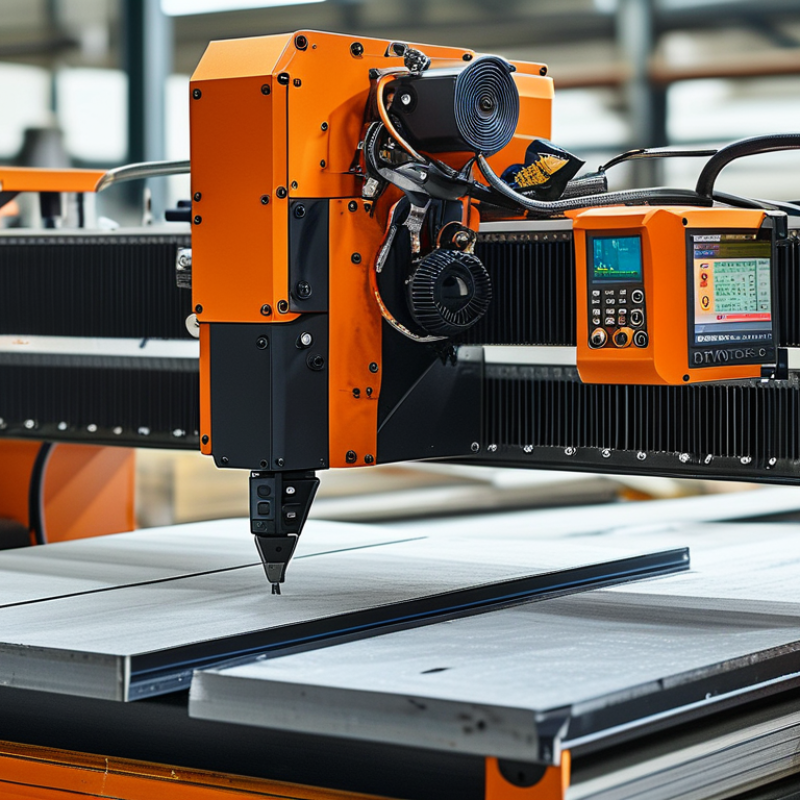
Top 10 Tips for Choosing a Laser Cutting Machine for Industry

Understanding Your Cutting Needs: Material and Project Requirements

Choosing the right laser cutting machine hinges on a clear understanding of your specific cutting needs. Different materials present unique challenges. For instance, metals require high precision and power, while fabrics and plastics need different approaches. According to a report by Allied Market Research, the laser cutting market is projected to reach $5.8 billion by 2025. This underscores the industry's growth and the importance of selecting the right equipment for your projects.

When assessing your needs, consider the thickness and type of material you'll be working with. Thicker materials like stainless steel demand more powerful machines. Conversely, thinner materials can be more forgiving, requiring less complex setups. Ensure the machine can accommodate your most demanding tasks. In addition, review available cutting speeds. Fast setups may save time but can sometimes compromise quality.

Tip: Evaluate the machine's precision specifications. Tolerances as narrow as 0.1 mm may be crucial for certain applications. Also, consider your project requirements. Are you looking for intricate designs or simple cuts? Creating prototypes or mass production? Each factor shapes the selection criteria. By aligning your machine choice with your needs, you can achieve the best results.

Evaluating Laser Cutting Technologies: CO2 vs. Fiber Lasers

When considering laser cutting technologies, CO2 and fiber lasers present distinct benefits and limitations. CO2 lasers have been a standard in the industry for years. They excel in cutting non-metal materials, such as wood and acrylic. In contrast, they tend to be less efficient with metals. This can lead to longer processing times and increased operational costs.

Fiber lasers offer impressive advantages, particularly for metal cutting. They operate at higher speeds and require less maintenance than CO2 lasers. This efficiency often translates into lower energy costs. However, fiber lasers are generally more expensive and may require specialized knowledge for optimal use.

Choosing between these technologies means evaluating your specific needs. Are you focused on cutting cost-effective materials, or is speed for metallic projects your priority? It's crucial to consider the materials you work with most frequently. Assessing your operational goals and potential output can also aid in making an informed decision.

Assessing Machine Specifications: Power, Speed, and Precision

When selecting a laser cutting machine, understanding its specifications is crucial. Power, speed, and precision significantly impact your production capabilities. A machine’s power dictates the types of materials you can cut. For instance, higher wattage allows cutting through thicker materials. However, more power doesn’t always equate to better performance for every industry need.


Consider the speed of the laser. Faster machines increase productivity, but they can compromise precision. Manufacturers should find a balance between speed and accuracy. A high-speed machine might be less effective on intricate designs. Assess how your designs align with machine capabilities.


Think about precision, too. The finer the laser, the more detailed your cuts will be. This is particularly important for projects requiring high levels of accuracy. Machines designed for precision can prevent material wastage and reduce rework. Always weigh your options wisely.


A tip: do not overlook the importance of maintenance and support. A reliable machine can become a liability without proper upkeep. Always check service options and part availability. Choose a machine that not only meets your initial needs but can grow with your operations.

Budget Considerations: Initial Costs and Long-Term Investments

When selecting a laser cutting machine, budget is a critical factor. Initial costs can vary significantly based on specifications and capabilities. Entry-level machines may be tempting due to lower prices. However, they often lack the precision and speed required for industrial applications. Investing in a higher-quality machine may prove cost-effective in the long run. Consider the types of materials you will cut and the desired thickness. A machine that can handle diverse materials can save you money on multiple purchases.

Long-term investments should include maintenance and operational costs. A cheaper machine might save money upfront but could require frequent repairs. Look for features that enhance reliability and reduce downtime. Training personnel is also essential. This may incur additional costs but ensures optimal use of the machinery. Investing in proper training leads to increased efficiency and better output quality. Think carefully about your current and future needs, as miscalculations here can result in wasted resources. Always aim for a balance between upfront costs and expected returns.

Top 10 Tips for Choosing a Laser Cutting Machine for Industry - Budget Considerations: Initial Costs and Long-Term Investments

Tip No. Tip Description Initial Costs (Approx.) Long-Term Investment Benefits
1 Determine your production volume $5,000 - $20,000 Optimized machine usage, reduced costs per unit
2 Assess material compatibility $4,000 - $15,000 Versatility in projects, less waste
3 Consider machine speed and accuracy $7,000 - $30,000 Increased productivity, consistent quality
4 Evaluate support and service options $2,000 - $10,000 Minimized downtime, reliable operation
5 Check energy efficiency $3,000 - $12,000 Lower operational costs, eco-friendly
6 Consider the software capabilities $1,500 - $6,000 Enhanced design flexibility, better integration
7 Inspect for safety features $2,500 - $8,000 Increased workplace safety, reduced liability
8 Assess software integration $5,000 - $15,000 Streamlined workflow, improved efficiency
9 Review warranty and maintenance plans $1,000 - $5,000 Long-term assurance, cost savings on repairs
10 Look for customer reviews and feedback N/A Better understanding of machine performance, satisfaction

Choosing the Right Manufacturer: Support and Warranty Options

When selecting a laser cutting machine, the manufacturer’s support and warranty options are critical. A reliable manufacturer should offer comprehensive technical support. Data shows that nearly 70% of users face issues within the first year of purchase. Swift assistance can prevent downtime, which can cost businesses tens of thousands annually.

Warranties vary significantly among manufacturers. Some provide a standard one-year warranty, while others offer extended options. Be wary of limited coverage that excludes critical components. Machines with extensive warranties often indicate better build quality. An industry report found that nearly 80% of high-performing machines come with robust warranty packages.

Tip: Always assess manufacturer reviews and service ratings. Look for testimonials that highlight customer service experiences. Connecting with current users can offer unique insights into long-term satisfaction. Additionally, consider local support availability. As geographic distance increases, response times can lag. Balancing these factors ensures a smarter choice. Choosing wisely can lead to a powerful machine that serves your business needs well.

FAQS

: What factors should I consider when choosing a laser cutting machine?

: Focus on material type, thickness, and required cutting precision for your projects.

How do different materials affect laser cutting needs?

Thicker materials like metals need more power and precision. Thinner materials have simpler requirements.

What are the key differences between CO2 and fiber lasers?

CO2 lasers are better for non-metals, while fiber lasers excel in metal cutting but are generally more expensive.

Why is precision important in laser cutting?

Precise cuts can be crucial for intricate designs. Tolerances as narrow as 0.1 mm matter in many applications.

How can laser cutting speed impact my projects?

Faster cutting may save time but could affect the quality of the cut. Balance speed and quality for best results.

What should I look for in a manufacturer’s warranty?

Check for comprehensive coverage. Reliable warranties often indicate better build quality and customer support.

Why is technical support important after purchasing a laser cutter?

Many users face issues within the first year. Quick support can prevent costly downtime for your business.

How can customer reviews help in my decision-making process?

Reviews provide insights into customer service and machine performance. They can reveal long-term satisfaction levels.

Is local support crucial in choosing a laser cutting machine?

Yes, local support can ensure quicker response times. Distance can lead to delays in assistance, affecting operations.

What’s the trend for the laser cutting market?

The market is growing, with projections reaching $5.8 billion by 2025. Proper equipment selection is essential for success.

Conclusion

When considering how to choose a laser cutting machine for industrial use, it's essential to start by understanding your specific cutting needs, including the materials you'll work with and the requirements of your projects. Different laser cutting technologies, particularly CO2 and fiber lasers, have distinct advantages depending on the application, so evaluating these options is crucial.

Next, you should assess machine specifications such as power, speed, and precision, which directly impact productivity and quality. Budget considerations are also vital; it’s important to weigh the initial costs against long-term investments in maintenance and operational efficiency. Lastly, selecting the right manufacturer involves looking into support and warranty options, which can significantly affect your machine's longevity and performance in an industrial setting. By following these guidelines, you can make an informed decision on the best laser cutting machine for your needs.

Sienna

Sienna

Sienna is a skilled marketing professional with a deep expertise in our company’s core products and services. With a passion for innovation and detail, she plays a pivotal role in crafting insightful blog posts that not only highlight the unique features of our offerings but also provide valuable......