When working with brittle materials, the risk of cracks during cutting is a common concern. Understanding how to prevent cracks in brittle material cutting is crucial for ensuring the integrity of your workpieces. Brittle materials, like ceramics and glass, can fracture easily. The right techniques and precautions can make a significant difference in results.
One key aspect involves selecting the appropriate tools. Using the right blade or cutter can greatly reduce stress on the material. Additionally, controlling the cutting speed helps maintain a delicate balance. Too fast, and you risk fractures. Too slow, and you may not generate enough heat to facilitate a clean cut.
It’s also important to consider the cutting environment. Temperature fluctuations can affect brittleness. A consistent environment is beneficial for stability. Also, the application of proper coolant can aid in minimizing heat buildup during cutting. However, not all coolants effectively prevent cracks. Experimenting with various methods can offer insights into what works best while highlighting the imperfect nature of the process.
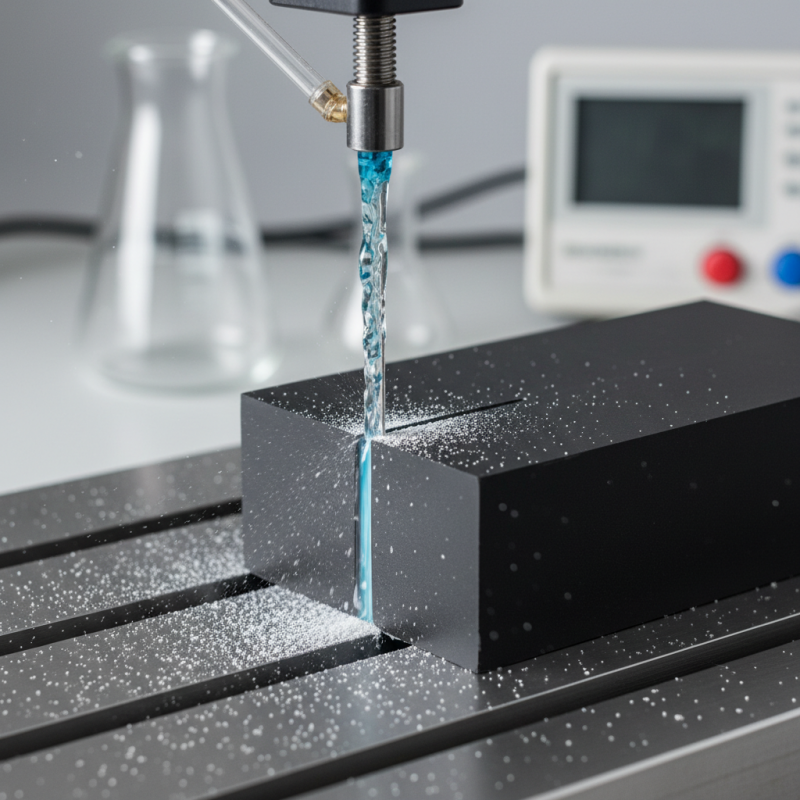
Brittle materials, such as glass and ceramics, exhibit unique properties that make them susceptible to cracking during cutting processes. Their defined elasticity limits and low tensile strength lead to abrupt failure. According to the American Ceramic Society, these materials can experience a fracture toughness value ranging between 1 to 3 MPa√m, highlighting their vulnerability to stress.
Understanding the properties of brittle materials is crucial. They often show minimal plastic deformation before failure. This means any excess force can lead to significant damage. A study by the University of Michigan emphasized the need for controlled environments when handling these materials. Even slight changes in temperature or moisture can alter their performance.
Proper cutting techniques can mitigate risks, but mistakes still happen. Miscalculating cutting speed or applying too much pressure can result in catastrophic fractures. Implementing innovative cutting tools can create cleaner edges. However, even the best tools can fail when used improperly. This highlights the continuous need for training and awareness in the industry.
: Control your cutting speed to avoid exceeding material tolerances. Maintain a steady, moderate speed to minimize thermal stress.
Sharp blades reduce cutting force and lower the risk of chips and fractures. Dull tools increase the likelihood of defects.
Unsupported sections are prone to breakage. Adequate backing helps absorb excess stress and improves durability.
Material properties, like hardness and brittleness, determine suitable tools. Choosing the right tools can reduce the risk of fractures.
Using a slower feed rate can help mitigate stress concentration, thus significantly reducing the chances of cracking.
Regularly inspect blades for wear. Replace dull blades promptly to prevent increasing pressure and the risk of cracking materials.
Proper lubrication reduces friction and heat buildup. Ensure that the right lubricant is used for the specific material being cut.
Adjusting cutting speed helps maintain material integrity. Reflecting on past mistakes can guide you toward better practices.
Knowledge of material properties boosts cutting performance and extends tool life. Ignoring these characteristics can lead to failures.
Overlooking minor adjustments can lead to significant problems. Small changes often result in better efficiency and lower costs.
In the quest to understand how to prevent cracks in brittle material cutting, it's crucial to first recognize the properties of brittle materials, which are typically characterized by their tendency to fracture under stress. Common causes of cracking during cutting processes include excessive force, incorrect tool selection, and improper cutting techniques. To mitigate these issues, adopting essential cutting techniques such as controlled speeds and proper feed rates can make a significant difference.
Moreover, selecting the right tools designed specifically for brittle materials is vital, as it ensures better precision and less stress on the material. Additionally, implementing effective maintenance strategies for cutting equipment helps maintain optimal performance and reduces the likelihood of cracks occurring. By following these guidelines, one can significantly enhance the cutting process and preserve the integrity of brittle materials.

 CXO Laser