In the realm of transformer core manufacturing, understanding "what is used in transformer core manufacturing" is crucial. Renowned expert Dr. Li Wei has emphasized, "The choice of materials directly affects efficiency and performance." Transformer cores are fundamental to electrical systems, playing a vital role in energy conversion.
Common materials include silicon steel, ferrite, and amorphous steel. Each material has distinct properties that influence magnetic performance and energy loss. For instance, silicon steel offers low hysteresis loss, while ferrites exhibit high magnetic permeability. The right selection is essential for optimal functionality.
However, sourcing these materials can be challenging. Variability in quality and supply chain issues often lead to inefficiencies. Engineers need to stay updated on the latest trends and innovations. This uncertainty compels industry professionals to continuously rethink their strategies. Balancing cost, efficiency, and material properties is an ongoing struggle in the quest for high-performing transformers.
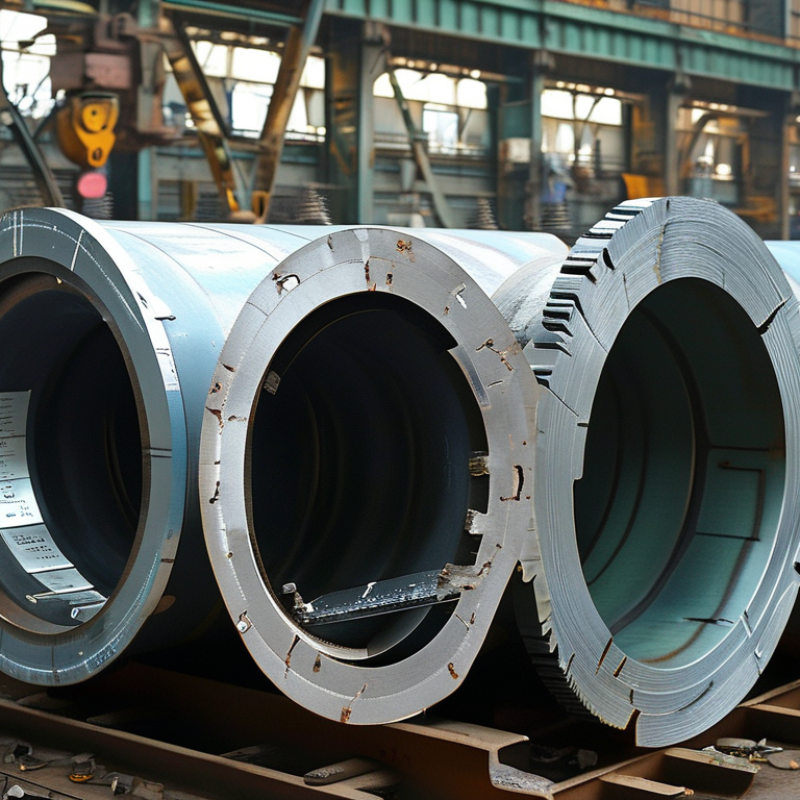
Overview of Transformer Core Materials
Transformer cores are crucial for electrical efficiency. They play a vital role in electromagnetic induction, affecting energy loss and performance. The main materials used in transformer core manufacturing are silicon steel, amorphous steel, and ferrite cores. Each material has unique properties and suitability for different applications.
Silicon steel is the most common choice. It offers excellent magnetic properties and is cost-effective. According to industry reports, about 80% of transformer cores are made from silicon steel. Amorphous steel provides lower energy losses, particularly at high frequencies. This can improve overall efficiency by 10% compared to silicon steel. Ferrite cores are often used in high-frequency transformers due to their compact size and efficiency.
Tip 1: When selecting materials for transformer cores, consider energy efficiency data from reliable industry sources. The right choice can significantly impact performance.
Tip 2: Investigate the production methods for each material. Understanding the manufacturing process may reveal potential areas for improvement.
Innovation is crucial in this field. New materials and designs are emerging. However, there are challenges in balancing cost, efficiency, and the environmental impact of production. The industry must remain adaptable to maintain high standards while addressing these issues.
Silicon Steel: The Primary Material in Transformer Cores
Silicon steel is crucial in transformer core manufacturing due to its magnetic properties. This material allows transformers to operate efficiently by minimizing energy loss. Recent industry reports indicate that silicon steel can reduce core losses by up to 30% compared to conventional steel. As such, it is the preferred choice for most manufacturers in the energy sector.
The use of silicon steel is not without challenges. The production process requires precise control of silicon content and thickness. Even slight variations can negatively impact performance. Industry experts note that quality control is critical. Standards must be upheld to ensure transformers work effectively in various applications. Additionally, sourcing high-quality silicon steel can be a bottleneck for manufacturers.
Market data shows that demand for silicon steel is projected to grow steadily. Factors such as renewable energy and electric vehicles are driving this growth. Despite its advantages, over-reliance on a single material can pose risks. Manufacturers should consider diversifying their material choices. This approach may lead to improved efficiency and reduced vulnerability to supply chain disruptions.
Amorphous Steel: Advantages and Applications in Transformers
Amorphous steel has gained recognition in transformer core manufacturing due to its unique properties. This material, with a disordered atomic structure, provides lower energy losses compared to traditional silicon steel. In transformers, the reduction in core loss translates to improved efficiency. Amorphous steel can lead to less heat generation, which is crucial for the longevity of transformers.
The applications of amorphous steel are expanding. Many manufacturers are now leveraging this material to enhance transformer performance. It is particularly beneficial for those operating under variable loads. However, it is important to note that the initial costs can be higher, which may deter some manufacturers. Still, the long-term efficiency gains often offset these expenses.
Despite its advantages, there are challenges to consider. Not all amorphous materials are created equal, and sourcing can be tricky. The production process is more complex, which can lead to variability in quality. Understanding these nuances is essential for making informed decisions in transformer core design. As the industry evolves, further research will clarify the best practices for utilizing amorphous steel.
Top 10 Materials Used in Transformer Core Manufacturing
This chart illustrates the usage of different materials in transformer core manufacturing, highlighting the significant role of amorphous steel among other materials.
Copper and Aluminum: Conductive Components in Transformer Cores
Copper and
aluminum
are essential in transformer core manufacturing. They are the primary conductive materials.
Their excellent conductivity makes them ideal for efficient energy transfer.
Copper, known for its high electrical conductivity, plays a crucial role
in minimizing energy loss. Aluminum, while slightly less conductive,
is lighter and often more cost-effective.
In transformer design, professionals must consider factors like weight and cost.
Aluminum can reduce manufacturing costs,
but using it may affect performance. Some industries still prefer
copper for better conductivity,
especially in high-efficiency applications. Each material has trade-offs,
highlighting the need for careful selection based on specific project requirements.
Quality control is vital in production.
Subpar materials can lead to failures and increased maintenance costs.
Regular testing and adherence to standards can prevent these issues.
The choice between copper and
aluminum should be well-informed,
weighing performance benefits against
budget constraints.
Decisions impact efficiency and reliability in the long run.
Innovative Materials: Future Trends in Transformer Core Manufacturing
Innovative materials are reshaping the future of transformer core manufacturing. As the industry strives for efficiency, new materials are emerging. According to a report from Research and Markets, the global transformer market is projected to reach $78 billion by 2028. This growth demands innovative approaches in material selection to enhance durability and reduce losses.
The use of amorphous steel has gained traction due to its low core loss characteristics. This material can reduce losses by up to 70% compared to traditional silicon steel. Additionally, new nanocrystalline materials are being developed. They promise even lower energy losses while maintaining mechanical strength. These advancements enable manufacturers to deliver more efficient transformers.
Tip: Regularly review emerging materials in your projects. Keeping an eye on material innovations can provide significant advantages.
Collaboration between universities and industries is crucial. This partnership drives research, leading to breakthrough materials that meet rigorous electrical requirements. However, finding the balance between cost and performance remains challenging. Efficient integration of these materials into existing manufacturing processes is essential for widespread adoption.
Tip: Consider investing in research partnerships. They can yield innovative solutions tailored to specific needs.
FAQS
: Amorphous steel is primarily used in transformer core manufacturing to improve efficiency and reduce energy losses.
Amorphous steel can reduce core losses by up to 70%, leading to lower energy consumption and heat generation.
It enhances efficiency and longevity by generating less heat during operation.
Yes, sourcing can be complicated, and quality may vary due to the complex production process.
The initial costs can be higher than traditional materials, which may deter some manufacturers despite long-term savings.
Nanocrystalline materials are being developed, offering even lower energy losses and improved mechanical strength.
Collaboration between universities and industries is vital for developing breakthrough materials that meet electrical requirements.
Regularly review and invest in emerging materials to enhance durability and reduce losses in transformers.
No, finding efficient integration methods can be challenging but is necessary for widespread adoption.
No, not all amorphous materials are created equal; understanding their nuances is crucial for effective use.
Conclusion
The article explores the key materials used in transformer core manufacturing, providing insights into their properties and applications. It highlights silicon steel as the primary material due to its effectiveness in reducing energy losses and enhancing efficiency. Amorphous steel is also discussed for its advantages, such as lower core losses and better performance in certain transformer applications. Additionally, the article examines the roles of copper and aluminum as conductive components, crucial for ensuring optimal electrical performance in transformer cores.
Looking forward, the discussion on innovative materials suggests potential future trends in transformer core manufacturing, focusing on advancements that could further improve efficiency and sustainability. Overall, the article answers the question of what is used in transformer core manufacturing by detailing the various material options and their significance in the industry.

 CXO Laser