Laser technology has revolutionized various industries, enabling precise cutting of different materials. But what materials can be cut with laser technology? This question is crucial for manufacturers and DIY enthusiasts alike. Understanding the capabilities of lasers can optimize production processes and enhance project outcomes.
In this overview, we will delve into the top five materials that can be effectively cut using laser technology. Whether you are working with wood, acrylic, or metal, knowing the strengths and limitations of each material is vital. For example, laser cutting offers clean edges on wood, but some types may produce charred edges, which can be a concern for aesthetic projects.
The versatility of laser technology must be balanced with an awareness of each material's properties. This granularity allows for informed decisions during the cutting process. Therefore, recognizing what materials can be cut with laser technology can dramatically influence results and overall project quality.
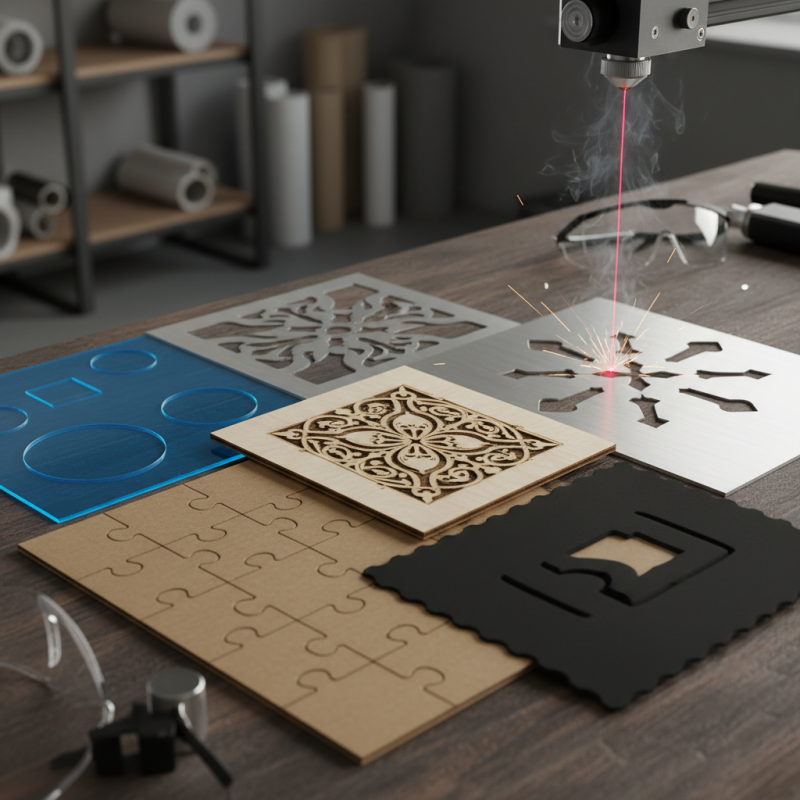
Laser cutting technology has revolutionized various industries with its precision and versatility. Among the most popular types are CO2 lasers, fiber lasers, and solid-state lasers. Each type is tailored for specific applications, ensuring high efficiency and accuracy.
CO2 lasers are widely used for cutting non-metals. They excel at slicing through materials like wood, acrylic, and fabrics. Studies show that CO2 lasers can achieve cutting speeds of up to 1,000 inches per minute for thin materials. This speed significantly enhances productivity in manufacturing environments.
Fiber lasers, on the other hand, are ideal for metals. According to recent industry reports, they provide better energy efficiency, reducing operational costs. They are capable of slicing through stainless steel and aluminum with a thickness of up to 1 inch. The precision of fiber lasers can minimize material wastage, making them a valuable asset for businesses aiming to optimize their resources.
Solid-state lasers deliver high peak power and are suitable for both cutting and engraving. These lasers can handle intricate designs on harder materials. Despite their advantages, they require comprehensive training for operators, highlighting the need for skilled personnel in laser technology. Continuous advancements in laser cutting are shaping the future of manufacturing.
Laser technology is revolutionizing cutting methods, offering precision and efficiency. Among the various materials suitable for laser cutting, wood stands out for its versatility. Wood can be finely sliced into intricate designs. The results are often stunning, showcasing the natural grain and texture.
Another common material is acrylic. This synthetic polymer can be cut to create stunning displays and signage. Laser cutting leaves smooth edges, reducing the need for post-processing. However, incorrect settings can cause melting or warping. Testing the parameters is crucial for optimal results.
Metal is also a popular choice. Lasers can cut through various alloys, creating precise components for engineering projects. However, thicker metals require more power and can result in slower cutting speeds. Adjustments might take time to perfect, leading to some frustration. Finally, fabric is an excellent candidate for laser cutting. It creates clean edges and intricate patterns for fashion and crafts. Yet, the risk of burning requires careful monitoring during the process. Each material presents unique challenges, but with experience, the results can be remarkable.
Laser technology has transformed wood cutting with precision and efficiency. One of the main advantages is the ability to create intricate designs. Laser cutting allows artists and manufacturers to produce complex shapes that traditional methods cannot achieve. The results are clean edges with minimal finishing required. This leads to time savings and greater accuracy in the final product.
Moreover, laser cutting reduces waste. Unlike saws, which can create significant offcuts, lasers focus on the exact amount needed. This efficiency is beneficial for both cost and environmental reasons. Just remember that different types of wood may react differently to laser processes. Some materials may produce more smoke or char, affecting the quality of the cut.
Tips: Always test a small sample piece before committing to larger projects. It’s essential to adjust power settings based on wood thickness. Keep an eye on safety measures. Proper ventilation is crucial during the cutting process. Not all wood types are suitable for laser cutting, and getting familiar with their behavior can save time and resources.
Laser technology has transformed the metal cutting industry. With the ability to process various metals quickly and precisely, it has become essential for manufacturers. This technology offers a clean cut, reducing the need for secondary processing. When using a laser, the heat-affected zone is minimal, which preserves the integrity of the material.
Different metals provide unique challenges in laser processing. For instance, cutting aluminum requires specific settings to avoid excessive melting. Stainless steel can be cut more efficiently due to its higher reflectivity. However, operators must continuously adapt settings for varying thicknesses. Mistakes can lead to wasted materials and time, highlighting the need for expertise in this area.
Precision does come with challenges. Operators must be skilled in understanding laser settings. Even slight adjustments can yield significantly different results. While laser technology boasts impressive capabilities, it isn't infallible. Metal types and thickness play a crucial role in determining the quality of the cut. Continuous education and experience are critical to mastering these nuances.
Laser cutting technology is gaining popularity due to its precision and efficiency. Plastics are one of the most widely used materials in this process. Their versatility makes them ideal for various applications, from prototyping to finished products. When laser cutting plastics, achieving clean edges is crucial. However, not all plastics behave the same.
Some plastics can melt or warp under high temperatures. For instance, materials like acrylic cut beautifully. Yet, polystyrene can produce toxic fumes when heated. Proper ventilation and safety measures are essential in such cases. Knowing how different plastics react to laser cutting can prevent costly mistakes and ensure a safer environment.
In the world of laser cutting, understanding limitations is essential. While many plastics can be cut effectively, some may require specific settings. Adjusting power and speed is vital for optimal results. This trial-and-error process can be frustrating. However, it builds valuable experience over time, leading to better outcomes. Exploring the intricacies of plastic cutting reveals both its potential and its challenges.
| Material | Thickness Range (mm) | Cut Quality | Applications | Limitations |
|---|---|---|---|---|
| Acrylic | 1 - 15 | Excellent | Signs, Displays, Art | May warp at high temperatures |
| Wood | 2 - 20 | Good | Furniture, Crafts | Burning and charring possible |
| Fabric | 0.5 - 10 | Good | Apparel, Upholstery | Requires precision to avoid fraying |
| Paper | 0.1 - 5 | Excellent | Cards, Boxes, Art | High speed can cause burning |
| Plastics (e.g., PVC) | 1 - 20 | Moderate to Good | Industrial Parts, Signage | Toxic fumes during cutting |
: Common materials include wood, acrylic, metal, and fabric. Each has unique properties and challenges.
Wood is versatile and can be intricately designed. Its natural grain enhances final products.
Acrylic provides smooth edges, ideal for displays. It requires correct settings to avoid melting.
Yes. Thicker metals need more power and can slow the cutting process, causing adjustments.
Fabric creates clean edges, suitable for crafts. However, it may burn without careful monitoring.
Some plastics can melt or produce toxic fumes. Proper ventilation is crucial during the process.
No, each plastic behaves differently. Adjusting settings is crucial for optimal results and safety.
Yes. Trial and error can be frustrating but leads to improved skills and outcomes over time.
Understanding material properties and testing settings will minimize costly errors and enhance safety.
Keep an eye on heat and avoid overheating materials to prevent burning or melting.
Laser technology has revolutionized the way materials are processed, offering precision and efficiency across various applications. When considering what materials can be cut with laser technology, wood emerges as a popular choice, known for its versatility and the ability to achieve intricate designs. Laser cutting in wood applications offers advantages such as minimal waste and clean edges, making it ideal for furniture and decorative items.
Metals are another significant category, where laser processing provides unmatched precision and speed, allowing for complex shapes and fine details in industrial manufacturing. Plastics also benefit from laser cutting, offering versatility in design but with certain limitations related to material types and thickness. Overall, the selection of materials suitable for laser cutting continues to expand, making this technology an essential tool in various industries.

CXO Laser