Laser cutting machines are powerful tools widely used in various industries. However, they come with inherent risks. Understanding what are the safety precautions for laser cutting machines is crucial for ensuring a safe working environment. Neglecting these precautions can lead to severe accidents or injuries.
Proper training is essential for operators. They must be knowledgeable about the equipment and its potential hazards. A well-structured training program should cover the importance of personal protective equipment (PPE) usage. Eye protection is particularly critical due to intense laser lights. Regular maintenance of the machine is also vital to prevent malfunctions.
Moreover, a clean workspace is important. Flammable materials should be kept away from the cutting area. This precaution minimizes risks associated with fire hazards. Employers should also implement safety signage and regular drills. These measures promote awareness and readiness among staff. Safety protocols should evolve with feedback and observations, reflecting real-world conditions. By prioritizing these precautions, organizations promote a culture of safety and responsibility.
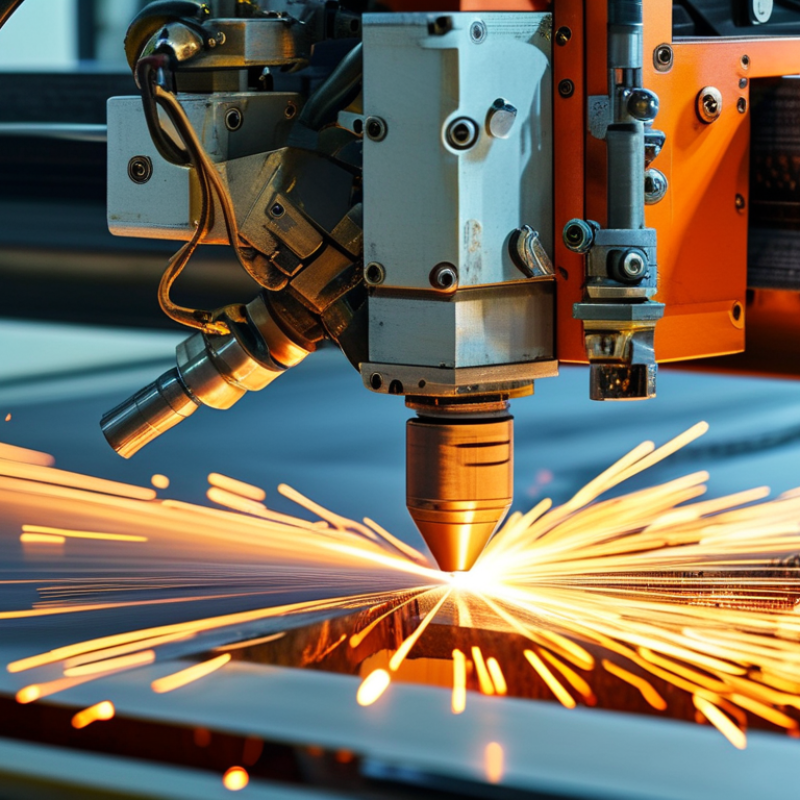
Laser cutting machines are powerful tools used in various industries for precise cutting and engraving. However, they come with inherent risks that must be understood. The intense beams of light can cause severe burns or eye injuries if proper safety measures aren't followed. Protective eyewear is essential. It safeguards the eyes from accidental exposure. Ensuring that the work area is well-ventilated is crucial. Laser cutting produces fumes and particulates that can be hazardous.
Operators should receive adequate training before using these machines. Understanding the equipment's functionalities is key to reducing risks. Additionally, having a fire extinguisher nearby is a wise precaution. Fires can occur due to flammable materials or equipment malfunctions.
Regular inspections of the machine ensure it operates smoothly and safely. Even minor neglect can lead to significant accidents. Personal protective equipment, such as gloves and aprons, adds an extra layer of safety, but no equipment guarantees absolute protection. Each step taken enhances safety, yet the responsibility remains on the operator.
When operating laser cutting machines, wearing appropriate personal protective equipment (PPE) is vital. Safety glasses with specific filters shield your eyes from harmful laser light. Not all safety glasses are equal. Each type caters to different wavelengths. Understanding the requirements is crucial. You must also wear flame-resistant clothing. This minimizes the risk of ignition from stray sparks.
Respirators are often overlooked yet essential. A good quality mask can protect against harmful fumes generated during cutting. Look for masks rated for particulate and chemical protection. Regularly check the fit and integrity of your respirator. Gloves are necessary too. They should be heat and cut-resistant to prevent injuries.
It’s easy to underestimate PPE. Many workers feel invincible after training. However, complacency can lead to accidents. Regularly review safety protocols and ensure equipment is functioning correctly. Create a habit of inspecting your PPE before starting your day. Safety culture needs constant reinforcement. In laser cutting, every precaution counts.
In laser cutting areas, environmental safety measures are crucial. Proper ventilation systems must be in place to manage fumes and dust generated during cutting. These systems help maintain air quality by filtering harmful particles, promoting a safer workspace. It's essential to regularly inspect these systems for efficiency.
Another critical aspect is fire safety. Laser cutting generates heat, which can ignite nearby materials. Install fire extinguishers and ensure they are easily accessible. Regularly train staff on fire safety protocols. This training can significantly reduce the risk of accidents.
For noise reduction, consider using soundproofing materials in the workspace. The noise from laser machines can exceed safe levels. Providing employees with noise-canceling headphones can also help mitigate this risk.
Tips: Always assess materials before cutting. Some might release toxic fumes. Encourage staff to report any unsafe conditions. Regular safety audits can help identify areas for improvement.
Proper setup and maintenance of laser cutting machines is crucial for workplace safety. According to a report by the American National Standards Institute (ANSI), improper machine configuration leads to 30% of all laser-related accidents. Ensuring that the machine is correctly aligned reduces risks significantly. Operators should check mirrors and lenses regularly to avoid misalignment, which can cause fire hazards or equipment damage.
Moreover, routine maintenance is essential to ensure safety. A study from the International Laser Safety Committee indicates that 40% of laser accidents occur due to inadequate upkeep. Regular cleaning of the cutting bed and air assist system can prevent buildup that might obstruct performance. Additionally, operators must maintain proper ventilation. This prevents toxic fumes from accumulating, safeguarding both users and the environment.
Implementing safety protocols can seem burdensome but is necessary. Many facilities overlook minor issues, thinking they are not significant. Small errors can lead to major accidents. Documenting regular inspections helps create a culture of accountability. It’s not just about compliance; it’s about preserving lives and maintaining a responsible workspace.
| Precaution | Description | Importance |
|---|---|---|
| Proper Training | Ensure all operators have received proper training on laser cutting equipment. | Reduces accidents and increases efficiency. |
| Protective Equipment | Use appropriate safety gear such as goggles, gloves, and aprons. | Protects against exposure to laser and materials. |
| Ventilation | Ensure proper ventilation to avoid smoke and toxic fumes accumulation. | Maintains air quality and prevents respiratory issues. |
| Emergency Stops | Install accessible emergency stop buttons on the machine. | Quick response in emergencies to prevent accidents. |
| Machine Maintenance | Regularly maintain the machine to ensure it operates safely and efficiently. | Prevents breakdowns and potential hazards. |
| Material Safety | Verify that materials used are safe for laser cutting. | Avoids fires and harmful emissions. |
| Clear Workspace | Keep the workspace clear of unnecessary items and flammable materials. | Reduces fire risks and ensures operator safety. |
| Warning Signs | Post clear warning signs near the machine about laser hazards. | Increases awareness to prevent accidents. |
| Regular Audits | Conduct regular safety audits to ensure compliance with safety protocols. | Identifies potential risks and improves safety measures. |
In the realm of laser cutting, safety is paramount. The risks associated with laser cutting machines can be severe if proper protocols are not in place. According to a report by the Occupational Safety and Health Administration (OSHA), laser-related injuries often result in severe burns or eye damage. Establishing clear emergency procedures is critical. Workers must be trained to identify hazards and respond immediately in case of an accident.
First aid measures should be well understood by all employees. For burns caused by laser exposure, cooling the area with running water is crucial. This should be done for at least 10-15 minutes to prevent further skin damage. Eye injuries require a different approach; contaminated eyes should not be rubbed. Instead, careful irrigation with saline or clean water is recommended while seeking medical attention. Regular drills should simulate emergency scenarios, reinforcing these procedures in a safe environment.
The workplace should be equipped with first aid kits stocked with appropriate supplies for laser-related injuries. Having these resources readily available can make a significant difference in emergency situations. It's alarming that a survey indicated that only 40% of laser cutting facilities have adequate emergency response plans. This gap highlights the need for improvement and ongoing training in workplace safety culture. Continuous reflection on safety practices can help reduce injury rates and enhance overall well-being in the workplace.
: Proper setup prevents misalignments, reducing risks like fire hazards and equipment damage.
Operators should check mirrors and lenses regularly to ensure accurate alignment and safety.
Studies indicate that 40% of laser accidents happen because of poor maintenance practices.
Regular cleaning of the cutting bed and air assist system prevents obstructions that affect performance.
Proper ventilation stops toxic fumes from building up, protecting users and the environment.
Cool the burned area with running water for 10-15 minutes to minimize damage and seek help.
Rinse contaminated eyes with saline or clean water without rubbing, and get medical attention.
Only 40% of facilities have adequate plans, highlighting a significant gap in safety culture.
Regular drills can simulate scenarios, helping workers practice and remember safety protocols.
Continuous training helps improve safety awareness and reduces injury risks in the long run.
Laser cutting machines are essential tools in various industries, but they come with inherent risks that must be understood to ensure safe operation. Key safety precautions for laser cutting machines include wearing appropriate personal protective equipment (PPE) such as goggles, gloves, and protective clothing to safeguard against potential hazards. Moreover, maintaining a clean and organized workspace along with implementing environmental safety measures, such as proper ventilation and waste disposal, is crucial in minimizing risks.
Proper machine setup and regular maintenance are vital for ensuring user safety, as this helps in preventing malfunctions and accidents during operation. Additionally, having well-defined emergency procedures and first aid protocols in place is essential for effectively managing any unfortunate incidents. Overall, understanding what are the safety precautions for laser cutting machines can significantly enhance worker safety and promote a secure working environment.

CXO Laser