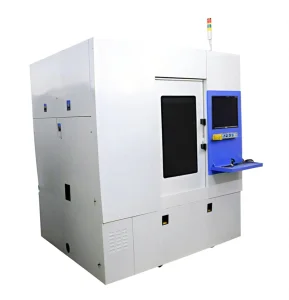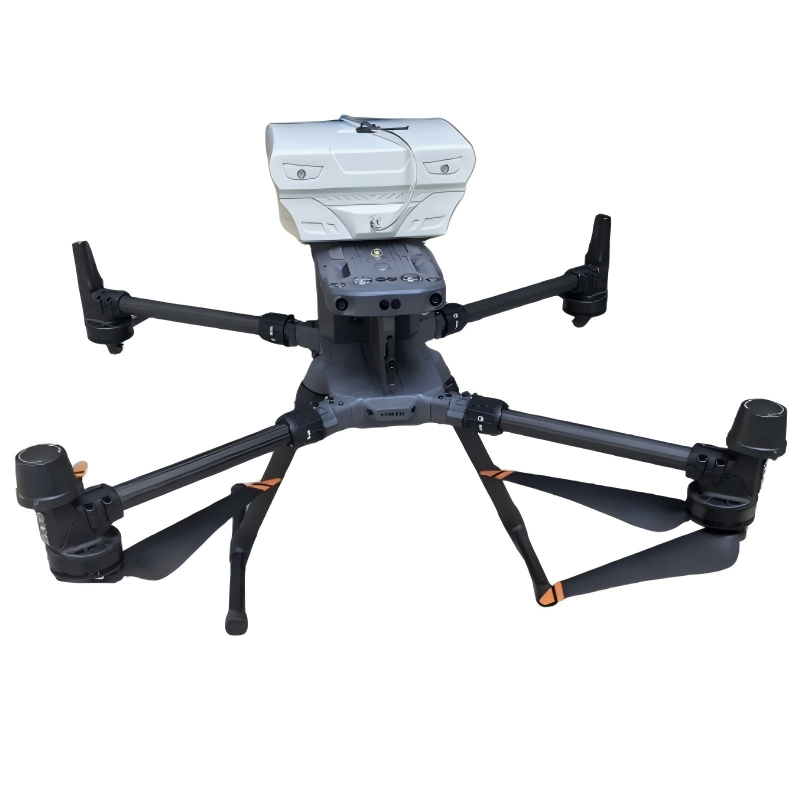
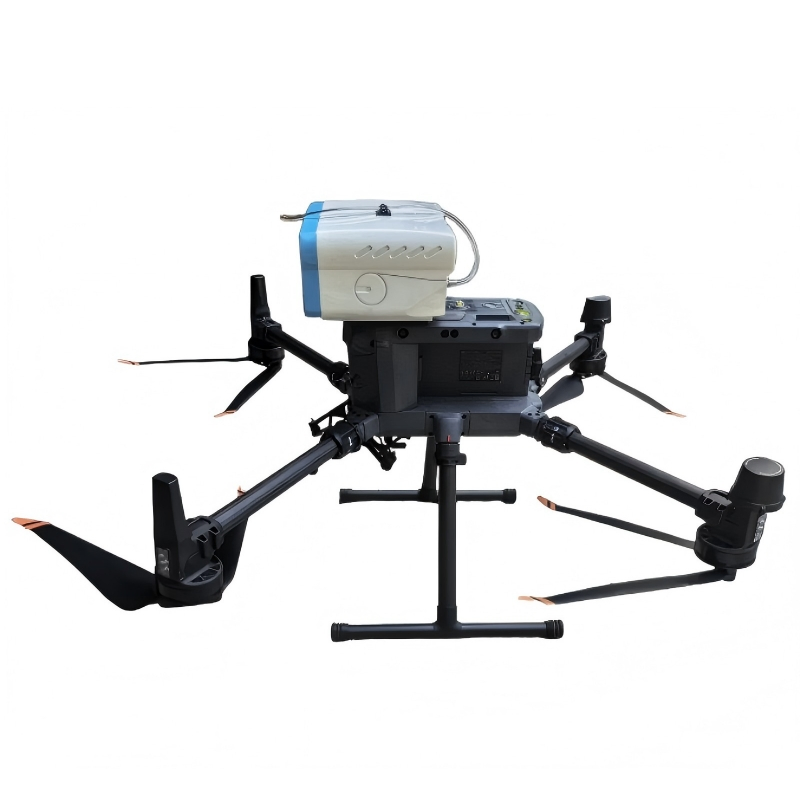
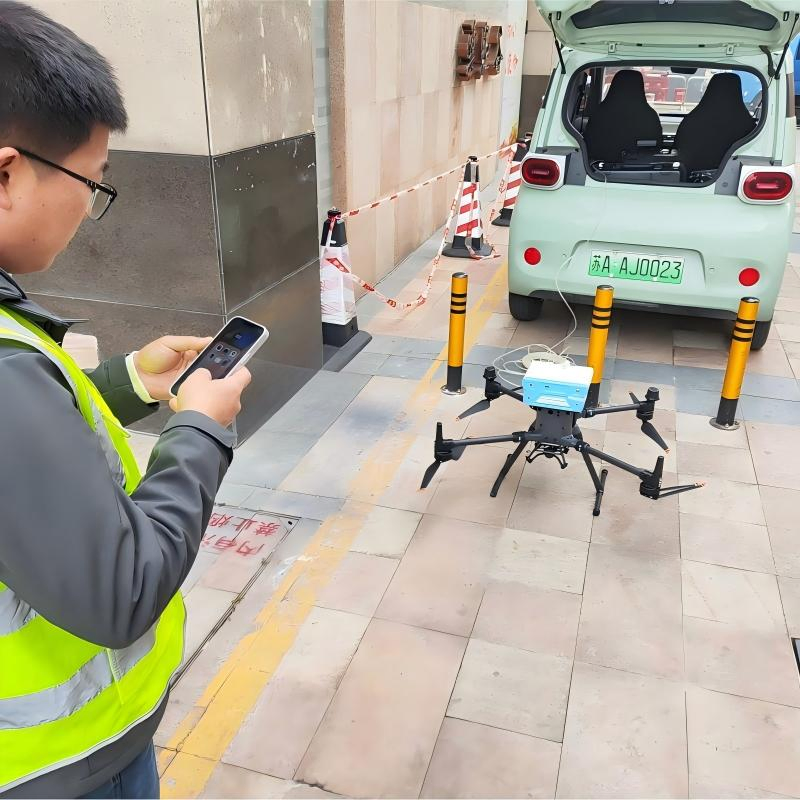
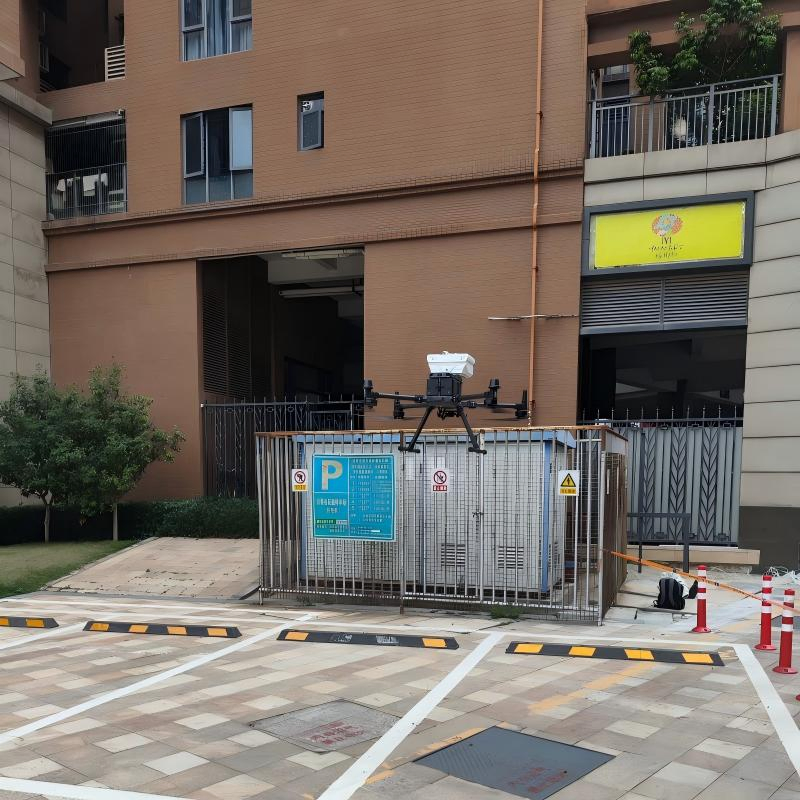
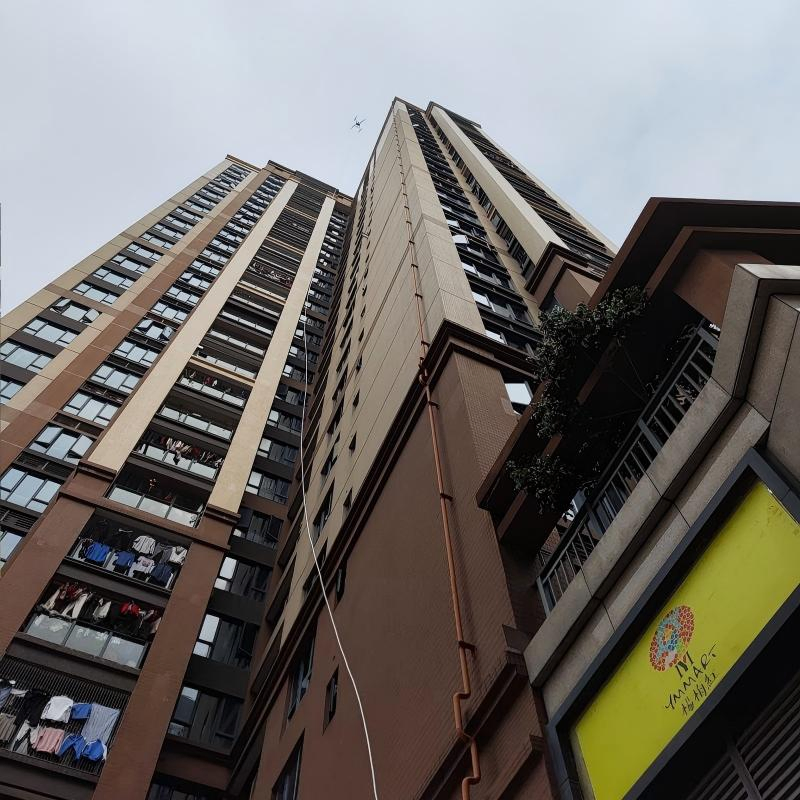
Cutting-Edge Advanced Unmanned Aerial Vehicle Ppb-Level Efficient Natural Gas Leak Detection System

Customization: Available
After-sales Service: 12 Months Shelf Life
Warranty: 12 Months

Product Description

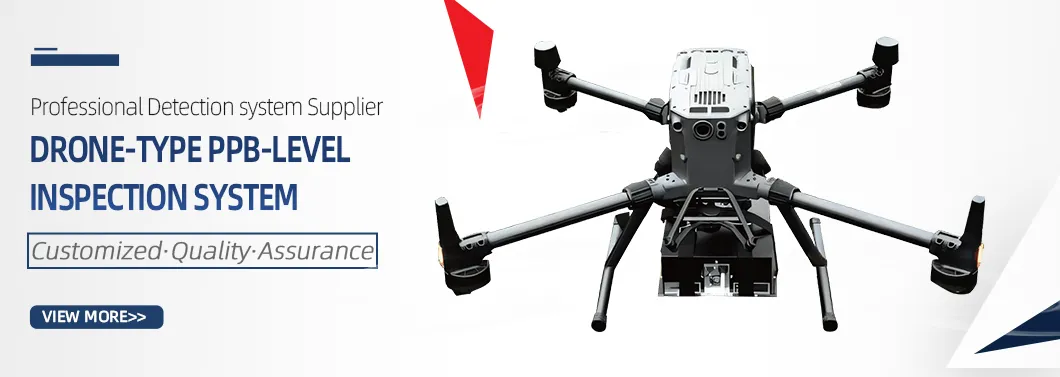
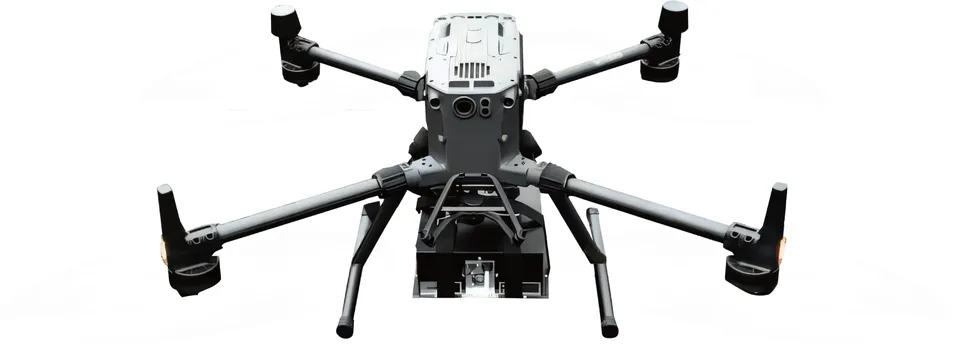
UAV Gas Leak Detection System
📋 Basic Information
Model NO. KSLD1203C Certification CE
Type Infrared Absorption Analyzer Gas Detected CH4 & C2H6
Detection Range ≤50 Metres Response Time 0.8s
Flight Speed ≤80 Km/H Detection Frequency 2 Hz
🚁 Product Description

Unmanned Aerial Vehicles (UAVs) can quickly cover extensive pipeline areas, significantly enhancing inspection efficiency. Compared to traditional manual inspections, they can substantially shorten the inspection cycle.
🎯
High Precision: Equipped with high-precision sensors, UAVs can accurately detect pipeline leaks and potential hazards.
🛡
Safety First: UAVs can operate in hazardous areas, eliminating the need for personnel to enter high-risk zones.
Product Feature
Technical Specifications
Parametric Description
Detection PrincipleMid-infrared laser absorption spectrum
Detection GasConcentration of methane and ethane
RangeMethane: 0~10000 ppm / Ethane: 0~1000 ppm
Detection SensitivityMethane: 1ppb (0.001ppm), Ethane: 0.5ppb (0.0005ppm)
Detection Range≤50 metres
Flight Speed≤80 km/h
Response Time0.8s
Detection Frequency2 Hz
PositioningGPS/Beidou inertial navigation (centimetre level)
Power20W, built-in battery, 3 hours flight time
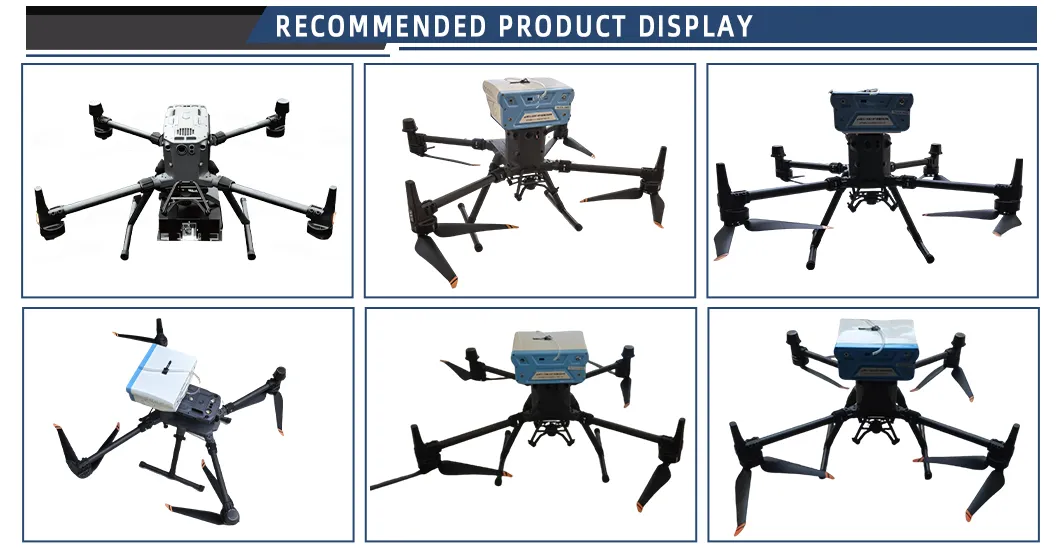
📷 Detailed Photos
🏭 Professional Capability

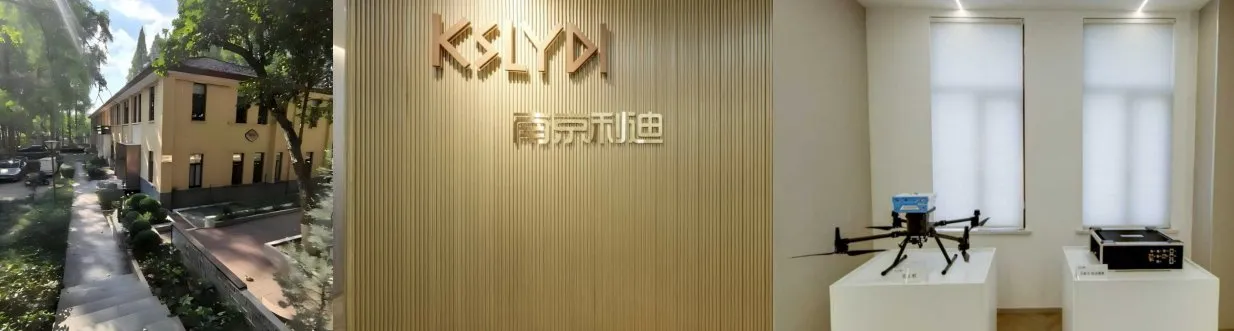
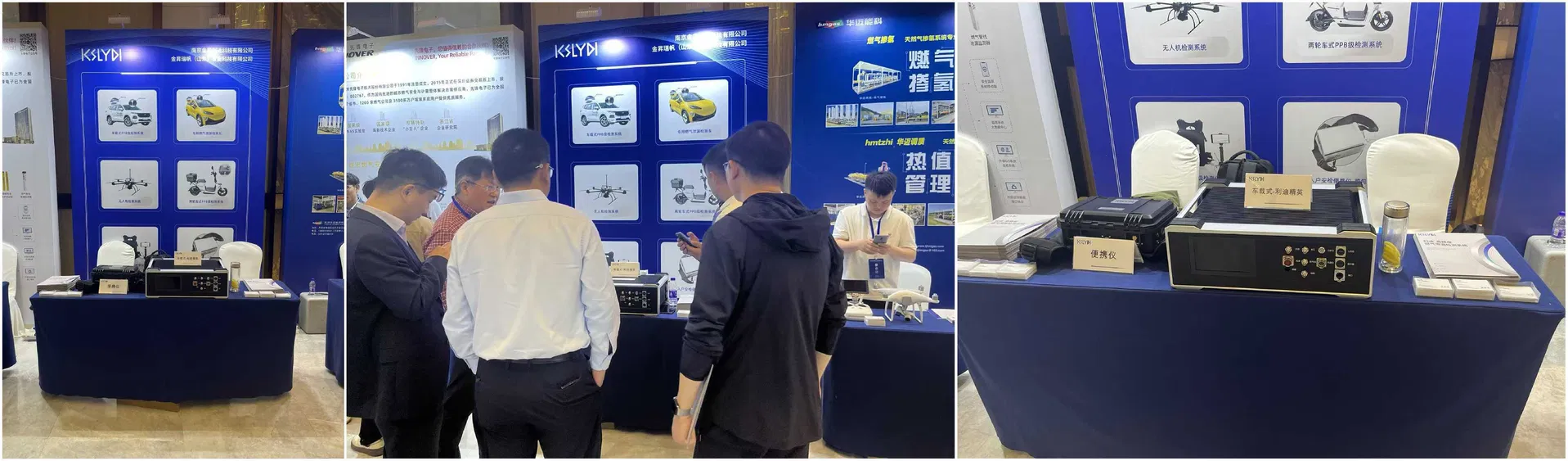
We are committed to providing intelligent gas leakage detection and city gas lifeline infrastructure solutions. Leveraging ppb-level mid-infrared laser methane/ethane detection technology, we have developed a comprehensive product line including vehicle-mounted systems, portable detectors, and fixed monitoring instruments.
Technology Integration
System Overview
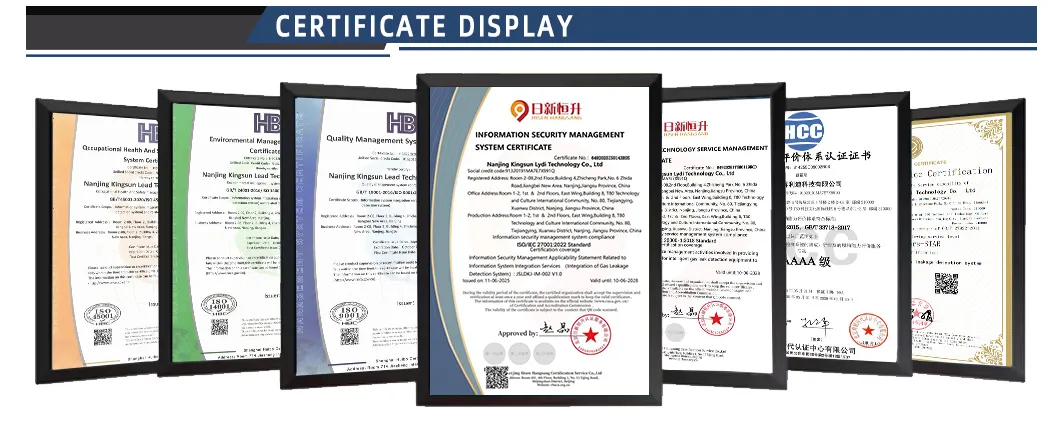
🎖 Certifications
Compliance Certificates
🔧 Maintenance & Service

Daily Maintenance

  • Check power supply and sampling lines before testing.
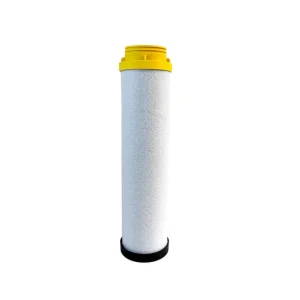
  • Ensure host wiring plugs are secure and filters are clean.
  • Disassemble sensors and antennas after use to keep equipment protected.
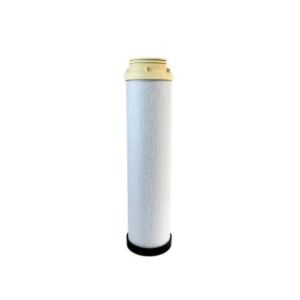
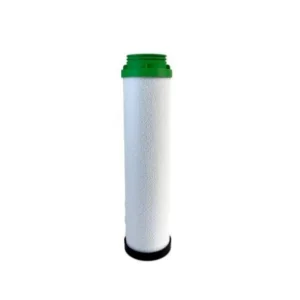
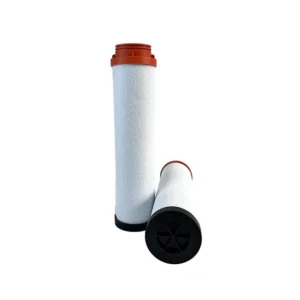
  • Replace external filters every 3 months or when color changes.

Usage Precautions

  • Avoid operating in rainy or snowy weather to protect laser cells.
  • Monitor ambient temperature: keep units indoors if below 5°C.
  • Do not drive through deep water to prevent intake contamination.
  • Start vehicle and stabilize current before powering the analyzer.
Frequently Asked Questions
Q1: Is the software easy to deploy and use? Can it be managed remotely?
Yes. We use a dual-system architecture combining an on-board client and a server. On-board inspection data is uploaded in real time, allowing administrators to remotely view status via server login.
Q2: Can we re-inspect specific past routes?
Yes. The on-board system supports loading historical tracks, allowing for accurate re-inspections along original routes for data comparison and trend analysis.
Q3: What is the core technology of this product?
We utilize leading mid-infrared laser absorption spectroscopy. Its compact multi-channel cell enables extremely high detection sensitivity, identifying methane and ethane concentration changes to distinguish natural gas from biogas.
Q4: Does the software have a mapping function?
Yes. Our system is deeply integrated with GIS (Geographic Information System), displaying all data intuitively on a map and supporting remote online upgrades.
Q5: Is the optical sensor susceptible to damage?
No. Our sensor design eliminates fragile, highly reflective components. The detection cell is resistant to contamination, enabling "clean-free" operation and reducing maintenance.
Q6: Is the equipment difficult to maintain?
Not at all. Key components like filters are externally located and can be replaced quickly without special tools, ensuring very low maintenance costs.

Related Products