Explore our elite OEM high-precision laser platforms and continuous heavy-duty automated manufacturing systems engineered for global supply chains.
Shenzhen CXO Laser Co., Ltd. is a high-tech enterprise specializing in advanced laser processing equipment, positioned as a Laser Cutting Machine Manufacturer | Ceramic & Silicon Steel Precision Cutting Solutions provider. The company is dedicated to delivering high-precision, stable, and efficient laser cutting systems for industrial applications including electronics, automotive manufacturing, electrical steel processing, energy equipment, and precision component production.
Founded in 2012 in Shenzhen, China, CXO Laser initially focused on industrial laser integration and sheet metal processing solutions. With the rapid growth of smart manufacturing and high-efficiency material processing demands, the company expanded into advanced laser cutting technologies for brittle and high-hardness materials such as ceramics and silicon steel. By 2017, CXO Laser had developed a complete product system covering precision fiber laser cutting machines, automated cutting platforms, and intelligent control systems.
Today, the company operates modern production facilities equipped with high-precision optical calibration systems, CNC machining centers, and automated assembly lines. Its equipment is designed to deliver minimal heat impact, high cutting accuracy, and optimized production efficiency, meeting the strict requirements of global industrial clients.
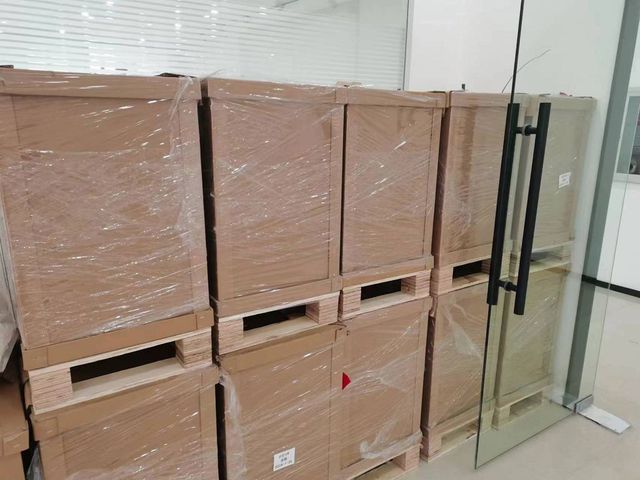
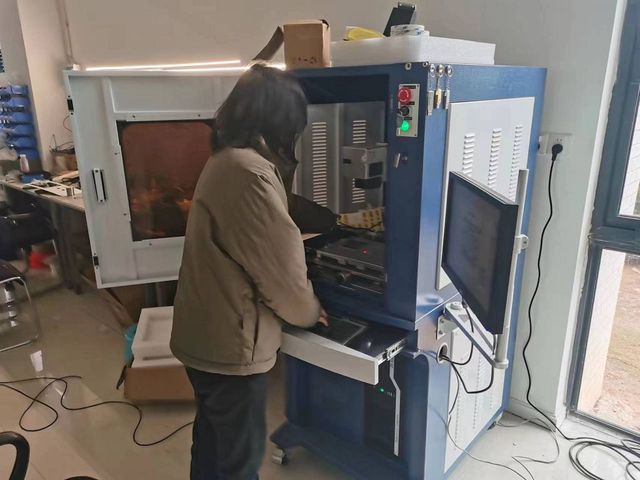
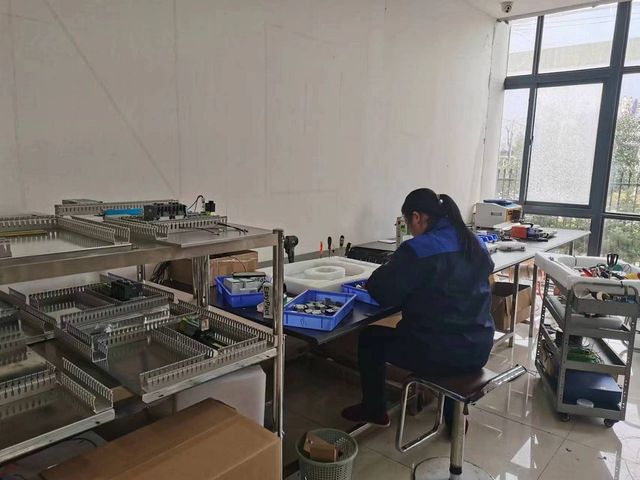
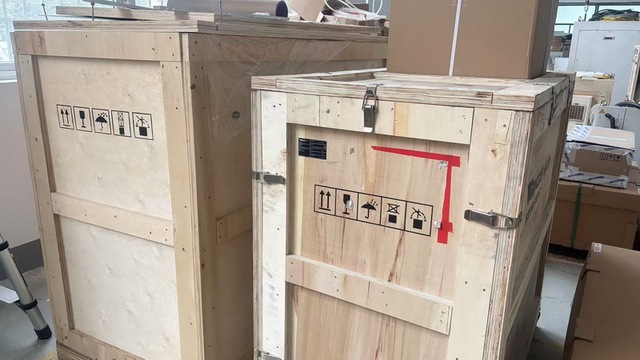
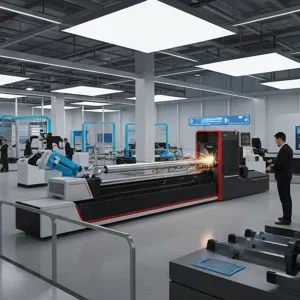
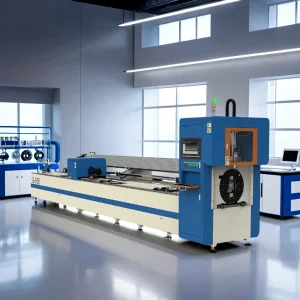
Inside Shenzhen CXO Laser Co., Ltd. cleanroom facilities and optical laboratory environments.
Engineering systems designed to scale from prototype verification to millions of parts per year with consistent yield.
Analyzing market transitions toward high-power laser sources, hybrid mechanical-thermal platforms, and zero-defect target processing.
The industry is shifting from conventional plasma and low-power CO2 lasers toward ultra-high-power fiber systems (10kW to 30kW+). Higher kilowatt ratings allow processors to handle thicker plates and significantly reduce cycle times on medium metals by up to 300%.
High-volume setups can no longer rely on manual loading. Modern OEM systems integrate automatic coil-unwinding, multi-axis raw sheet loaders, sorting robots, and direct scrap evacuation pathways to ensure continuous cutting cycles.
Processing advanced materials like ceramic matrices, silicon steel for electrical vehicle motors, and complex laminates requires narrow heat-affected zones (HAZ). Short-pulse and precision-focused optical heads reduce micro-cracking and post-process scrap.
Procurement directors and factory optimization managers evaluate investments on total cost of ownership (TCO), precision repeatability, and integration compatibility.
Because standard machinery configurations rarely line up perfectly with existing conveyor configurations, high-volume production facilities require customized design architectures.
Our engineering team consults on mechanical interfaces, customized nesting software logic, and electrical control signals (such as EtherCAT, PROFINET, or Modbus systems) to ensure seamless integration into existing smart factory environments.
Bridging raw equipment capability with practical operational applications across sectors like automotive stampings, power generation, and precision electronic packaging.
Visual evidence of our manufacturing setups, clean assembly blocks, and technical calibration facilities in Shenzhen.
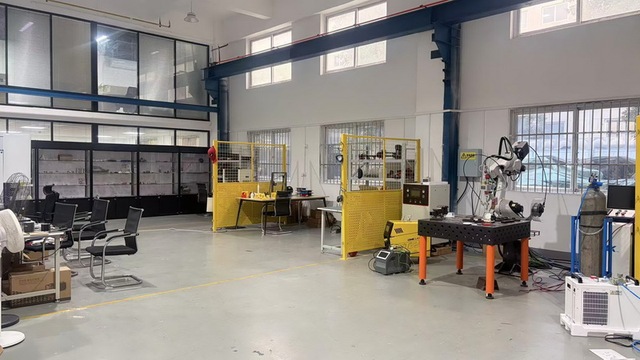
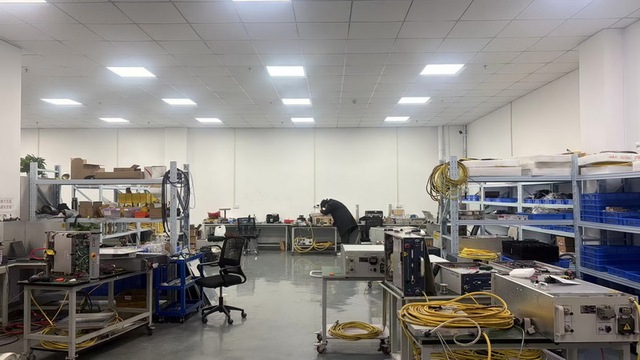
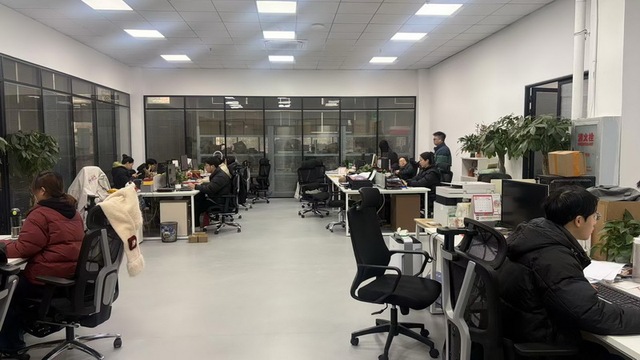
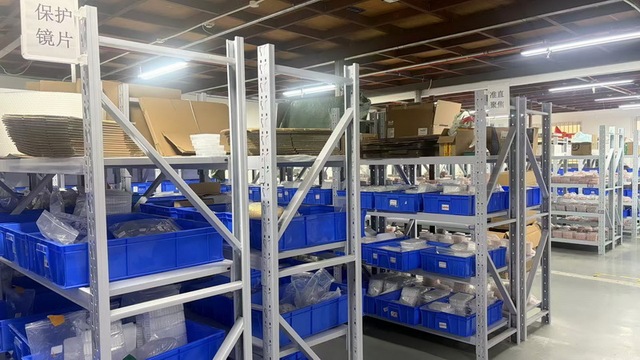
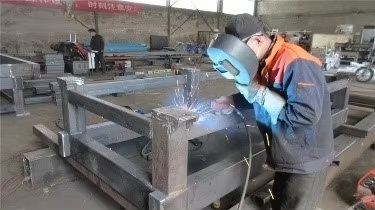
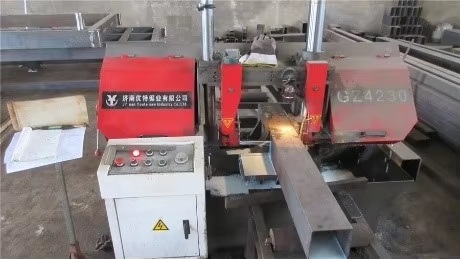
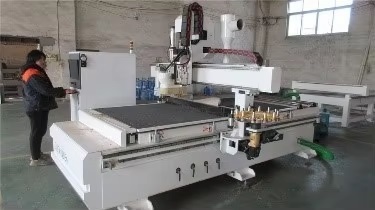
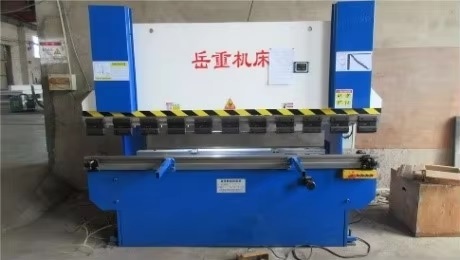
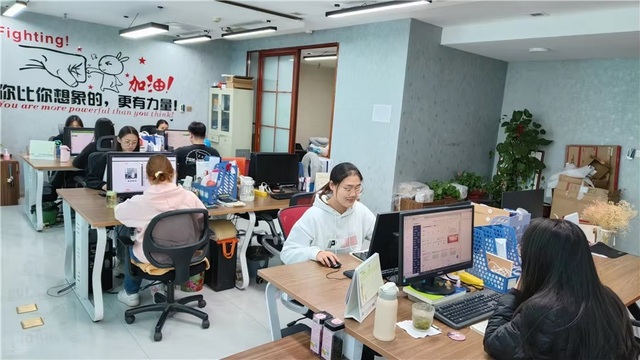
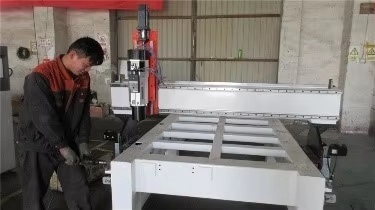
Adapting to the future of smart industrial spaces, autonomous decision-making loops, and next-generation power densities.
Next-generation high-volume cutting platforms are integrating multi-spectral camera systems directly into the nozzle head assembly. By monitoring the cut quality in real-time, the system can dynamically adjust cutting speeds, gas flow rates, and laser frequency to eliminate micro-burrs and prevent costly sheet damage before it occurs.
High-volume metal processing consumes significant quantities of assist gases, such as nitrogen and oxygen. Advanced nozzle technology, matched with intelligent digital control systems, reduces consumption of high-pressure assist gases by up to 40% through fast-acting solenoid cycles that pulse gas flow only when active cutting occurs.
As part of the shift toward Industry 4.0, our OEM platforms offer direct integrations with ERP/MES systems. The equipment reports cycle counts, diagnostic metrics, and sheet utilization details back to management platforms in real-time, allowing operators to run lights-out shifts with complete visibility.
We design our machinery and establish support structures to align with regional safety codes and operational requirements across target export territories.
Systems are built to comply with CE machinery directives, ISO 9001 quality management, and regional industrial requirements. Electrical enclosures use labeled wiring terminals to facilitate inspections.
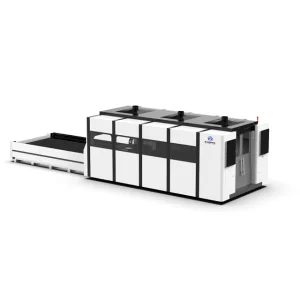
For higher-power fiber laser installations, we construct fully enclosed Class 1 laser safety cabins using certified protective windows. This safeguards operators from scatter radiation while running high-output shifts.
We assist from foundation planning to final onsite alignment. Our regional partnerships help ensure key replacement parts, like lenses, protective windows, nozzles, and sensors, can be delivered quickly to keep your lines running.
Detailed technical answers to common queries from plant engineers, maintenance directors, and industrial procurement managers.
Laser power level directly dictates the maximum speed at which a given material thickness can be processed. For instance, upgrading from a 6kW system to a 20kW or 30kW source allows speeds to increase by 3 to 4 times on typical 10mm to 20mm carbon steel plates. Higher power also yields a cleaner, more upright edge with significantly less dross, minimizing the need for manual grinding or secondary cleaning before finishing steps.
Fiber lasers operate at a wavelength of roughly 1.06 microns, which is absorbed much more readily by metals than the 10.6-micron wavelength of CO2 lasers. This high absorption rate prevents dangerous back-reflections when cutting non-ferrous metals like copper, brass, and aluminum. For electrical silicon steel laminations, the highly concentrated focal spot minimizes thermal distortion, helping to preserve the sheet's magnetic qualities.
High-volume operations involve high acceleration rates. Under these forces, rack-and-pinion and standard linear systems can wear down, leading to mechanical play. To combat this, our high-precision systems use reinforced steel gantry frames, high-pitch helical gears, and linear motors calibrated with laser interferometers. This maintains accuracy tolerances within ±0.01mm over millions of repetitions.
Our control structures are designed to interface directly with common industrial networks via EtherCAT, PROFINET, and standard I/O connections. This enables the machine to coordinate signals with automatic sheet lifters, raw coil unwinders, and robotic stacking arms. Automated nesting software can also link with your database to download production queues, optimize material usage, and report material usage stats back to your ERP.
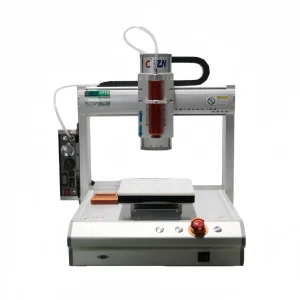
Browse our secondary catalog of dedicated mechanical structures, tube laser cutting systems, and high-precision dispensing stations.
 CXO Laser