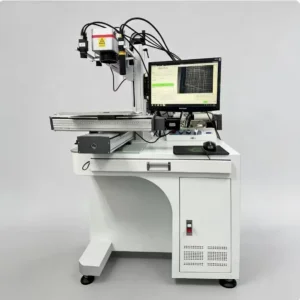
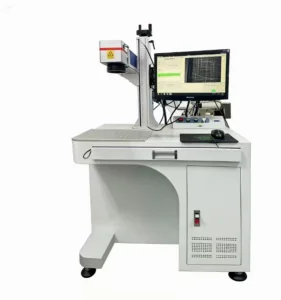
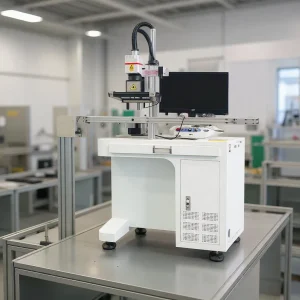
Engineered for high-hardness metal plate processing, structural steel fabrication, and precision marking across hydropower and manufacturing sectors in Nepal.
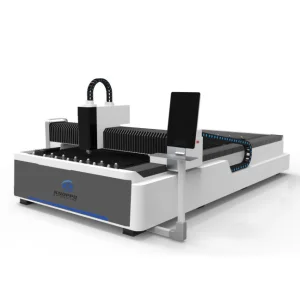
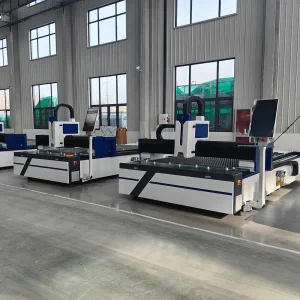
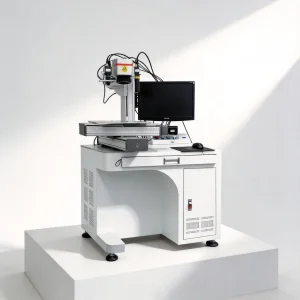
Nepal’s industrial sector is undergoing a profound structural shift. Driven by massive public and private investments in hydropower generation, transmission line networks, highway construction, and agricultural modernization, the demand for high-strength, wear-resistant, and high-hardness materials has spiked. Key industrial centers such as Biratnagar, Birgunj, Hetauda, and Kathmandu are transitioning from manual assembly to local high-precision component fabrication.
Hydropower projects like Upper Tamakoshi and Arun-III require heavy steel penstocks, turbine runners, and gates manufactured from specialized alloys, manganese steels, and high-tensile structural steel (e.g., Hardox 400/500 grades). Standard tooling systems struggle with thermal deformation and excessive kerf when cutting these materials. Shenzhen CXO Laser Co., Ltd. steps in as the premier manufacturer and exporter of High Hardness Material Laser Cutting Systems configured specifically for the challenging environmental and electrical conditions in Nepal.
"By replacing traditional oxy-fuel and plasma cutting systems with CXO Laser's high-efficiency fiber platforms, Nepalese metal manufacturers can reduce post-processing costs by up to 70% while improving component accuracy to within ±0.03mm."
Understanding the physics of laser cutting on hardened materials (HRC > 50) and how CXO Laser mitigates the Heat Affected Zone (HAZ).
| Cutting Metrics | Traditional CNC Plasma / Oxy-Fuel | Mechanical Tooling (Shearing/Milling) | CXO Fiber Laser Cutting Systems (High Power) |
|---|---|---|---|
| Heat Affected Zone (HAZ) | Large (1.5mm - 3.0mm) - alters metallurgy | Minimal (cold cut, but creates mechanical stress) | Ultra-narrow (0.1mm - 0.3mm) - preserves alloy properties |
| Consumable Costs | High (Nozzles, electrodes, gas) | Extremely high (blade wear, tool breakage on Hardox) | Extremely low (focus lens, nozzle, protective windows) |
| Cutting Quality & Kerf | Rough edges, significant taper (5° - 10°) | Limited geometry, physical micro-cracks | Clean, smooth edges, taper < 1°, no post-grinding |
| Processing Speed (20mm Steel) | Moderate to Fast (High kerf loss) | Very slow (multi-pass necessary) | Super fast (up to 3.5 m/min with oxygen/nitrogen mix) |
High-hardness steel plates (such as manganese alloys and wear plates used in turbine housings) are notoriously difficult to cut without altering their structural integrity. Standard thermal cutting causes the edges to harden further or soften locally, leading to premature fatigue failure of hydropower parts under heavy water pressure. CXO Laser’s customizable platforms use dynamic gas-mix control and optimized laser pulse configurations to ensure minimal heat conduction to the cutting margins.
Enabling automated tracking, quality assurance, and precision component sorting for electronic assembly, electrical grids, and logistics operations.
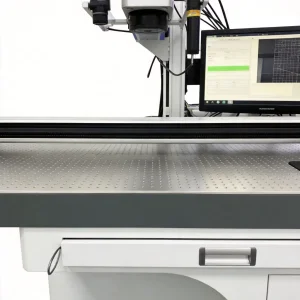
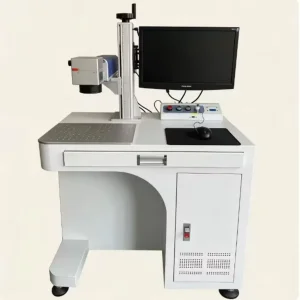
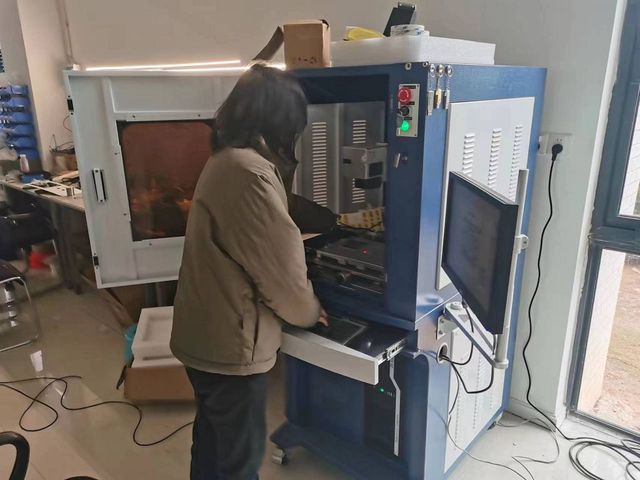
Established in 2012 in Shenzhen, China's high-tech manufacturing capital, Shenzhen CXO Laser Co., Ltd. has evolved into a global leader in laser processing integration. The company specializes in precision fiber laser cutting, automated material handling, and intelligent control systems. Our primary specialization is designing customized solutions for processing difficult-to-cut materials like industrial ceramics, structural silicon steel, and high-hardness alloys.
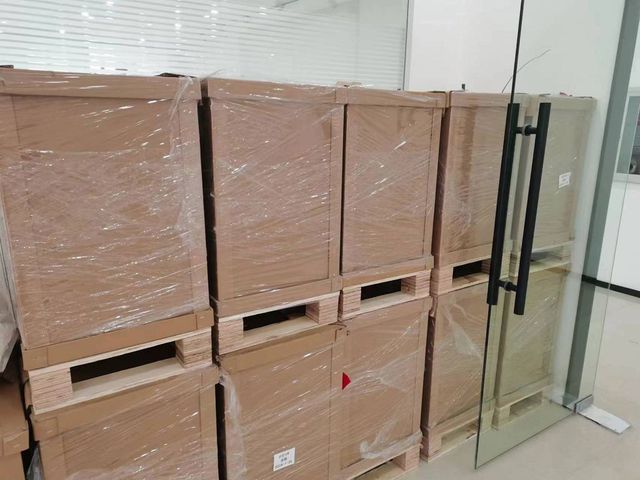
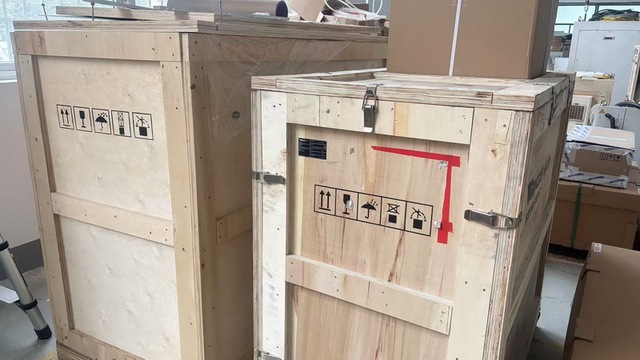
Equipped with state-of-the-art optical calibration halls, high-precision CNC machining centers, and automated assembly units, CXO Laser guarantees that every exported machine undergoes rigorous 72-hour load testing. For our customers in Nepal, we offer reliable overland shipping via Lhasa and the Gyirong (Keyrung) or Tatopani borders. This bypasses the typical sea-route delays through Kolkata port in India, dropping transit times down to just 15-20 days from our factory gates to Kathmandu.
Our Shenzhen base features high-precision alignment setups, cleanroom optics integration, and structural stability assembly floors to ensure industrial durability.
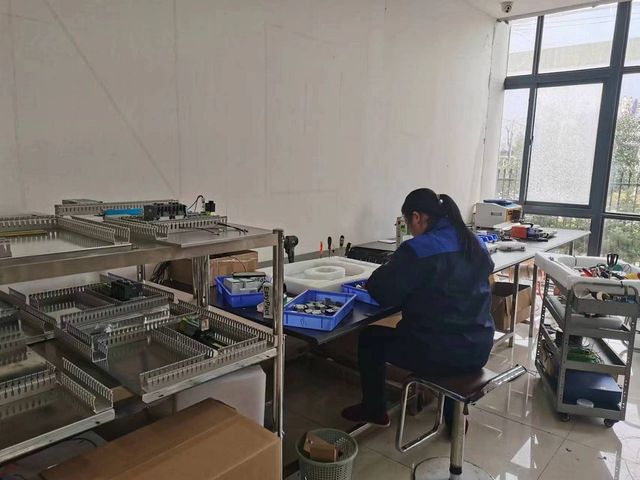
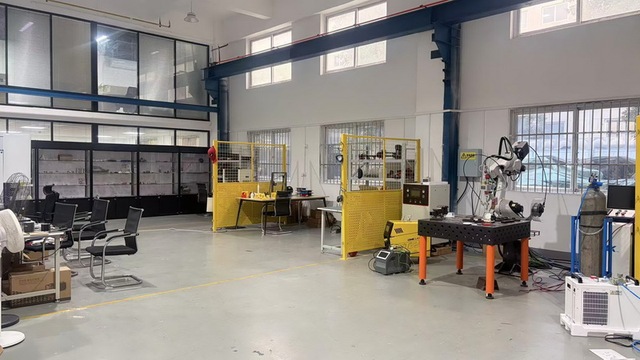
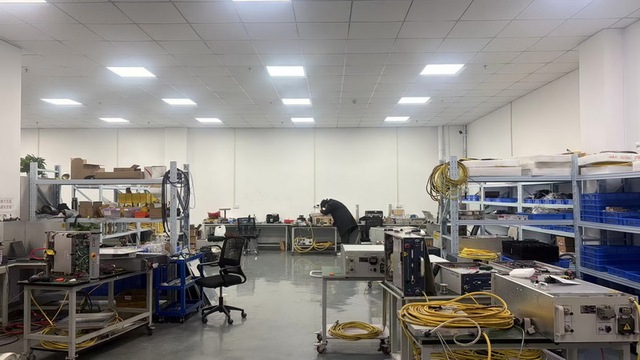
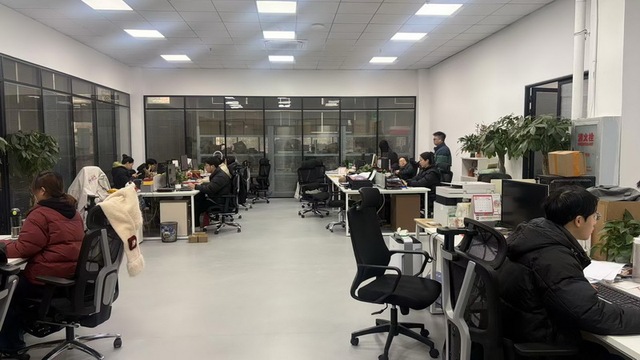
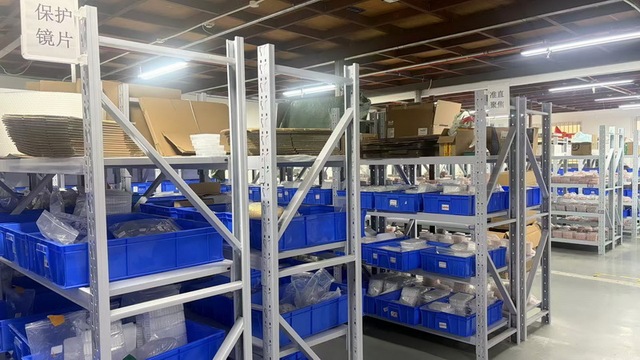
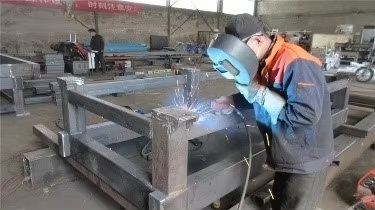
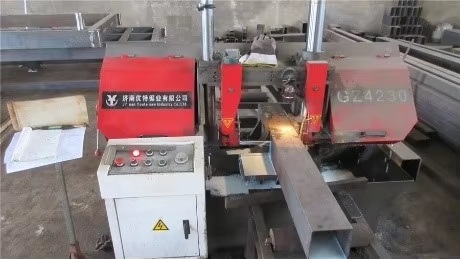
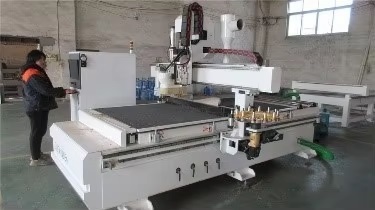
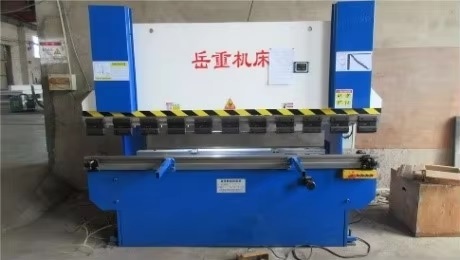
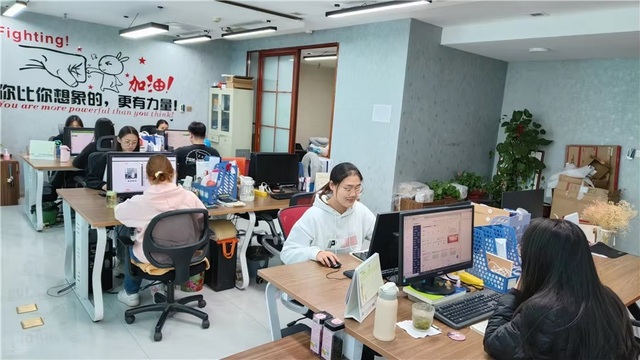
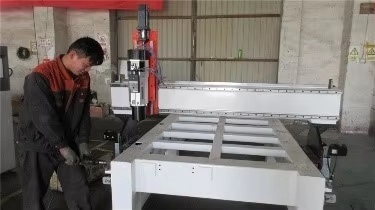
Our engineering systems are custom-adapted to counter power grid fluctuations and extreme environmental changes common in Nepalese industrial hubs.
Nepal's electrical grid is prone to transient surges and load fluctuations. Our systems come equipped with active power filtering and heavy-duty AVR (Automatic Voltage Regulators) to protect expensive laser generators.
Kathmandu's monsoon and Terai's hot, humid climates present condensation risks inside optical chambers. Our localized cooling units actively monitor atmospheric dew points to prevent water condensation on components.
Every laser system exported to Nepal is equipped with an encrypted cloud diagnostic module. Our engineers in Shenzhen can log in directly to configure cutting parameters, update Cypcut systems, and troubleshoot issues instantly.
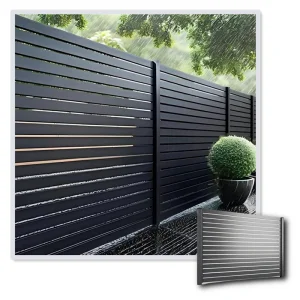
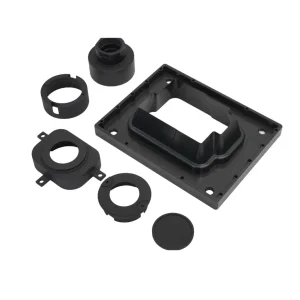
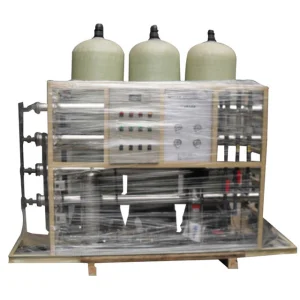
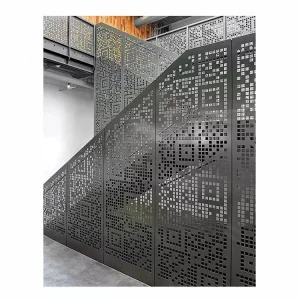
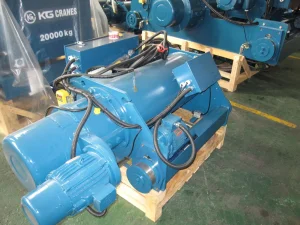
From clean water filtration and industrial crane hoist components to agricultural electric fencing, we support the operational ecosystem of Nepalese enterprises.
Get professional advice on structural parameters, electrical wiring requirements, customs clearance, and local service support.
 CXO Laser