Explore high-efficiency equipment engineered for metal fabrication, semiconductor thermal processing, and advanced material cutting.
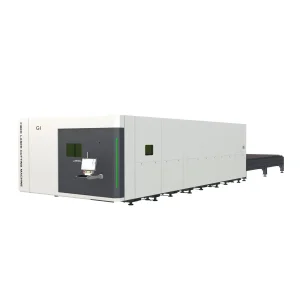
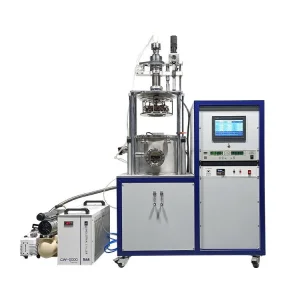
Lab Css Rtp Furnace Close Spaced Sublimation Deposition System
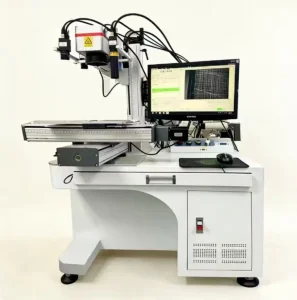
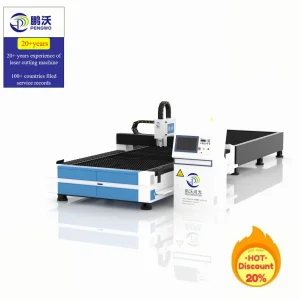
High-Precision 60kw Fiber Laser Cutting System for Metal Fabrication
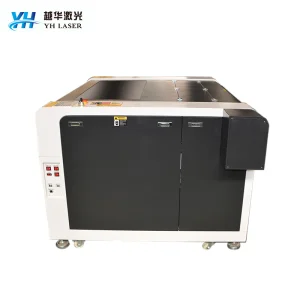
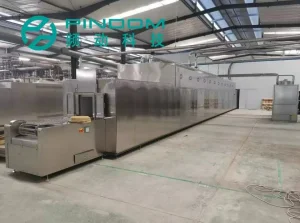
Customized Honeycomb Ceramic Microwave Drying Equipment for Chemicals Processing
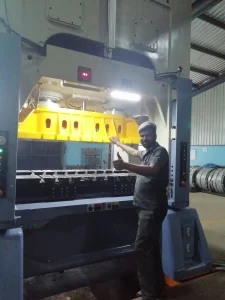
High Speed Press Machine High Speed Lamination Press Motor Core Press
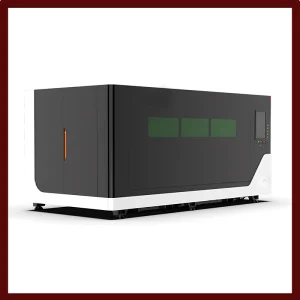
Fully Enclosed and High-Precision Fiber Laser Cutter for Industrial Metal Manufacturing
Providing whitepaper-level insights into high-precision photonics, silicon steel lamination cutting, and advanced industrial automation.
Shenzhen CXO Laser Co., Ltd. is a high-tech enterprise specializing in advanced laser processing equipment, positioned as a Laser Cutting Machine Manufacturer | Ceramic & Silicon Steel Precision Cutting Solutions provider. The company is dedicated to delivering high-precision, stable, and efficient laser cutting systems for industrial applications including electronics, automotive manufacturing, electrical steel processing, energy equipment, and precision component production.
Founded in 2012 in Shenzhen, China, CXO Laser initially focused on industrial laser integration and sheet metal processing solutions. With the rapid growth of smart manufacturing and high-efficiency material processing demands, the company expanded into advanced laser cutting technologies for brittle and high-hardness materials such as ceramics and silicon steel. By 2017, CXO Laser had developed a complete product system covering precision fiber laser cutting machines, automated cutting platforms, and intelligent control systems.
Today, the company operates modern production facilities equipped with high-precision optical calibration systems, CNC machining centers, and automated assembly lines. Its equipment is designed to deliver minimal heat impact, high cutting accuracy, and optimized production efficiency, meeting the strict requirements of global industrial clients.
Shenzhen CXO Laser Co., Ltd. continues to serve customers across Europe, Southeast Asia, the Middle East, and North America. With a strong focus on innovation, precision engineering, and intelligent manufacturing, the company is committed to advancing laser cutting technology and providing reliable solutions for high-performance industrial material processing worldwide.
How Shenzhen's laser technology ecosystem delivers unprecedented technological depth, supply chain agility, and Total Cost of Ownership (TCO) efficiency.
Situated at the heart of Shenzhen’s advanced technology corridor, manufacturers benefit from localized component sourcing including high-purity optical lenses, CNC motion beds, continuous-wave fiber laser generators, and real-time CCD feedback sensors, reducing lead times by up to 40%.
Chinese OEM facilities have pioneered ultra-high power fiber integration (ranging from 12kW up to 60kW). This allows industrial clients to perform micro-burr-free cutting on heavy structural plates while retaining sub-micron beam alignment for delicate ceramic matrices.
Factory-level testing leverages laser interferometer system mapping, dynamic beam profilers, and thermal stress modeling to guarantee that every system meets rigorous European CE and international ISO export standards prior to shipment.
Empirical evidence highlights a massive structural pivot toward automated, high-precision, and environmentally compliant processing systems.
Traditional continuous-wave (CW) lasers produce thermal diffusion zones that can compromise microelectronics and brittle advanced ceramics. Ultra-short pulse (USP) lasers utilize cold ablation, eliminating micro-cracking and thermal distortion during critical semiconductor micro-machining.
Modern advanced laser processing platforms combine dual-camera CCD visual recognition with automated positioning software. This tech automatically detects material offsets, warp patterns, and fiducial markers, allowing dynamic kerf correction at speeds exceeding 120m/min.
For heavy machinery, shipbuilding, and energy infrastructure, ultra-high-power fiber systems replace mechanical slitting and plasma torch operations. Fiber lasers above 30kW cut thick carbon steel with single-pass beveling while reducing nitrogen/oxygen gas consumption dramatically.
Bridging global industrial requirements with domain-specific manufacturing workflows across critical technology sectors.
Precision non-grain-oriented silicon steel cutting is vital for high-efficiency electric vehicle motor stators. High-speed lamination press systems integrated with laser trimming prevent magnetic domain degradation caused by mechanical die shear stress.
Ceramic substrates (AlN, Si3N4) require precision scribing without micro-fracturing. Advanced laser setups allow rapid thermal pulse (RTP) processing and deposition control for high-power electronics and RF power modules.
Automated steel coil processing systems integrate fiber laser slitting heads, removing tool wear constraints inherent to mechanical shear blades while achieving high-speed continuous operational output for steel service centers.
High-speed transportation components rely on real-time optic temperature controllers. Integrated wet dust collection machinery neutralizes combustible metallic dust (e.g., aluminum and titanium) generated during high-energy cutting operations.
An executive guide for procurement heads, system integrators, and plant engineers evaluating laser machinery manufacturers.
When investing in capital laser processing equipment, international buyers must analyze both upfront capital expenditure (CAPEX) and long-term operational expenditure (OPEX) metrics:
A beam quality factor close to 1.0 guarantees minimal beam divergence, tighter focus spot size, higher power density, and reduced kerf widths on high-reflectivity alloys.
Gantry structural rigidity combined with linear motor drives allows acceleration rates up to 2.0G–4.0G, maximizing cut throughput on complex geometric profiles.
Leading exporters provide 24/7 remote diagnostic support, modular optics replacement kits, and localized stocking of spare lenses, nozzles, and fiber cables.
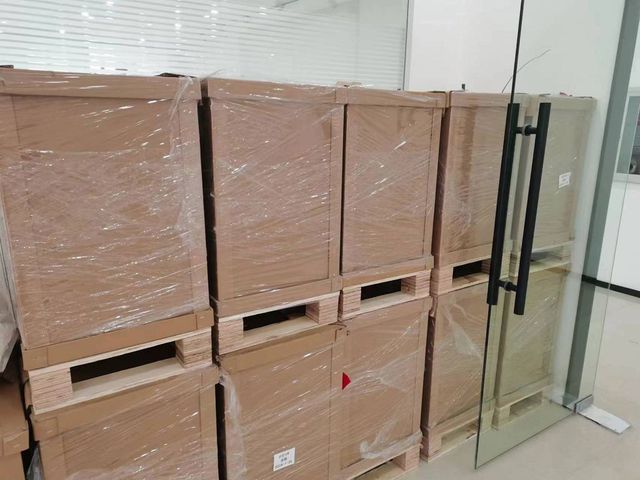
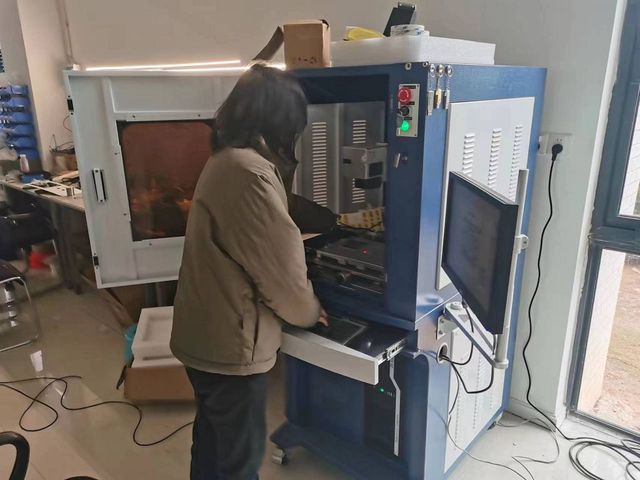
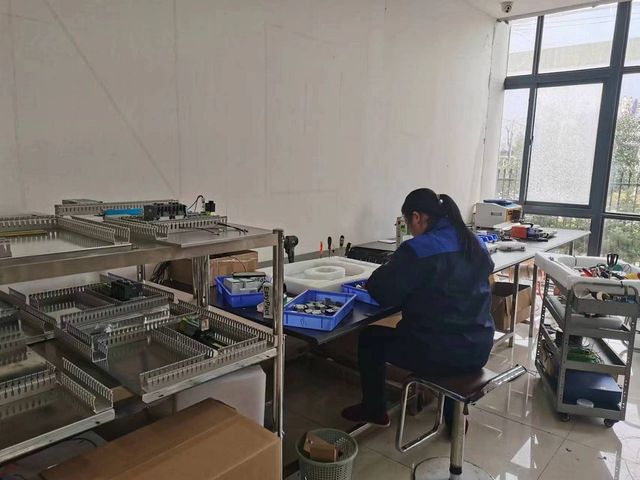
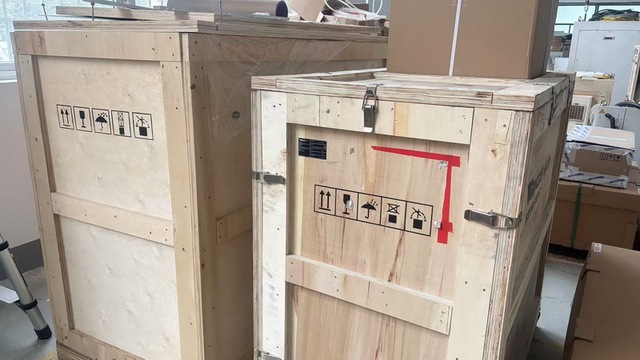
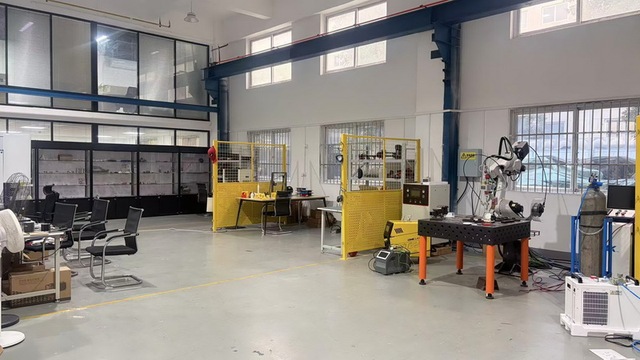
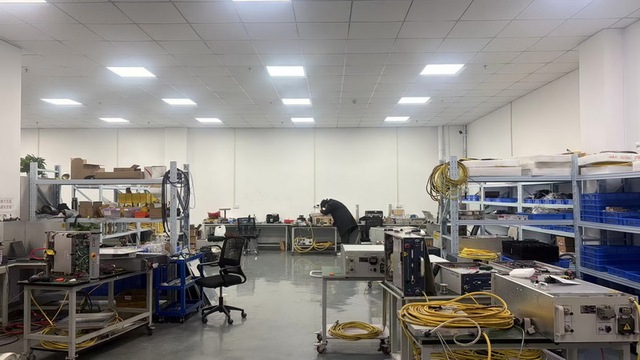
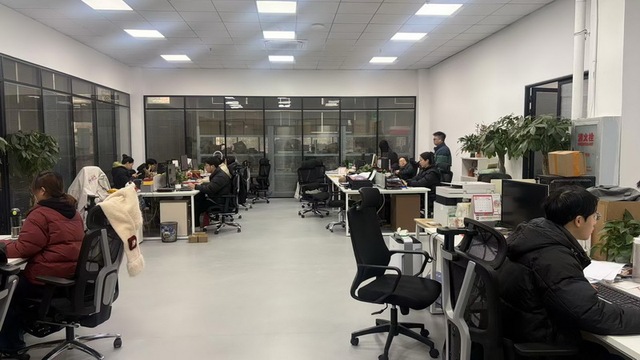
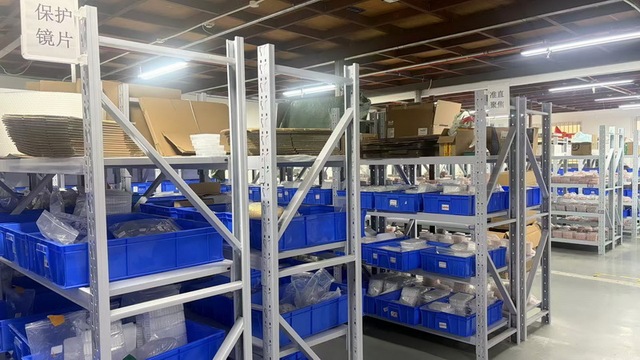
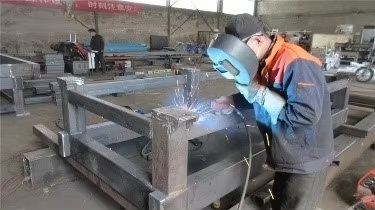
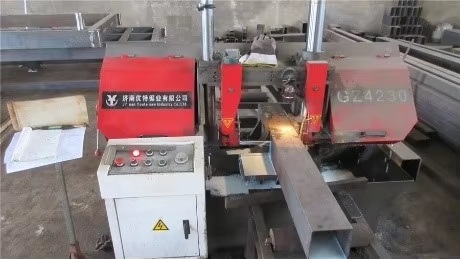
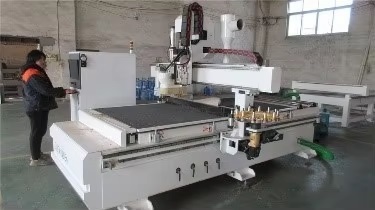
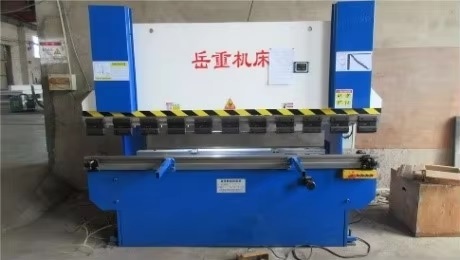
Take an inside look at our state-of-the-art production floors, optical testing centers, and automated assembly operations.
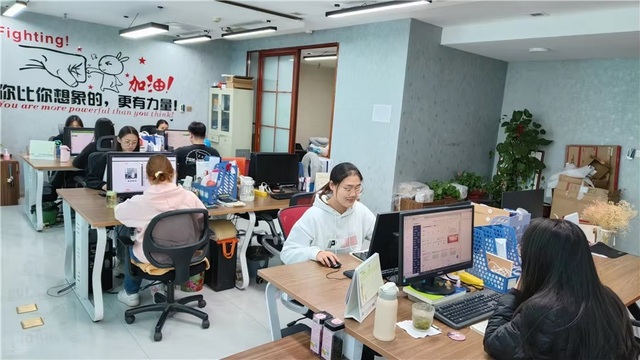
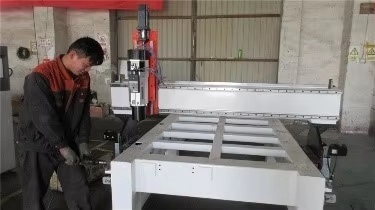
Comprehensive responses addressing key technical, operational, and international shipping queries for advanced laser systems.
Browse our additional specialized line of robotic dispensers, high-speed coil slitters, and temperature management platforms.
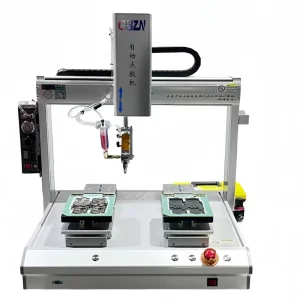
Ra Precision Desktop Dispensing Robot/Visual Alignment Glue Coating Machine
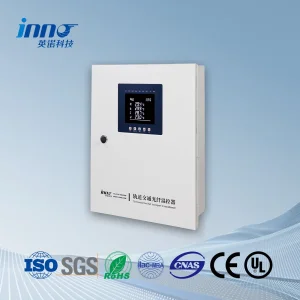
Fiber Optic Temperature Controller for Rail Transit Inno Technology
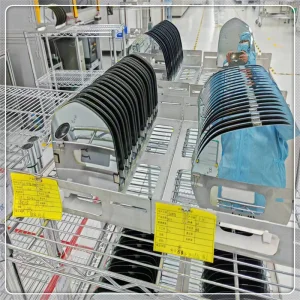
Reliable Powder Coating Machine and Vacuum Coating System for Consistent Quality
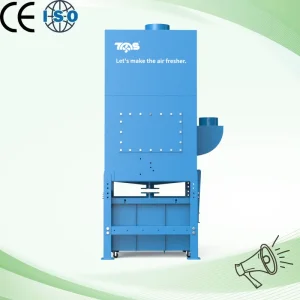
Wet Dust Collectors Air Pollution Control Solutions for Laser Cutting Polishing
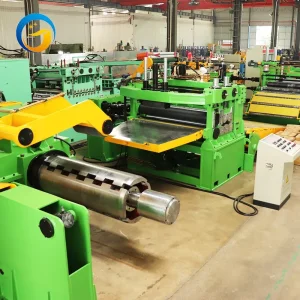
Advanced Coil Processing System for Automated Steel Slitting
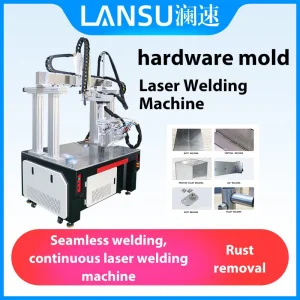
Lansu High Stability Gantry Laser Welding Machine for Thick Metal
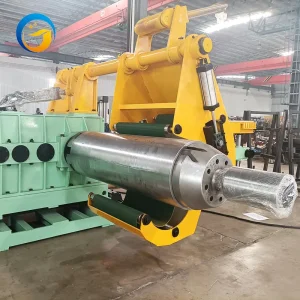
Automated Steel Slitting System for Precision Metal Sheet Cutting
 CXO Laser