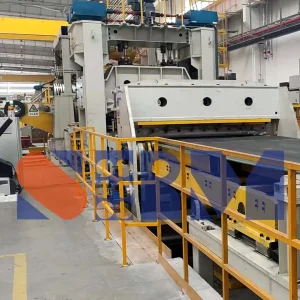
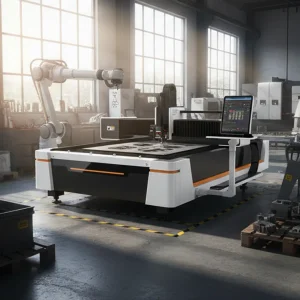
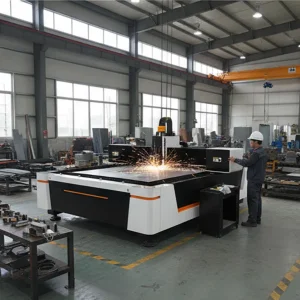
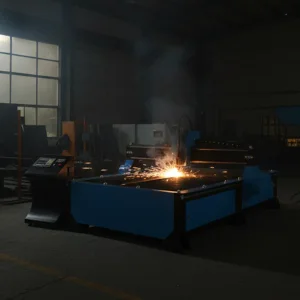
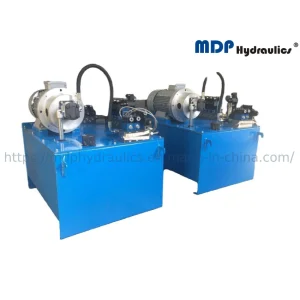
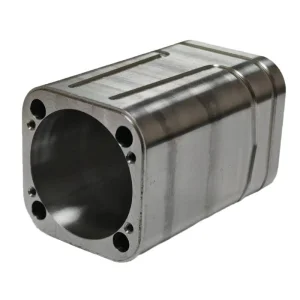
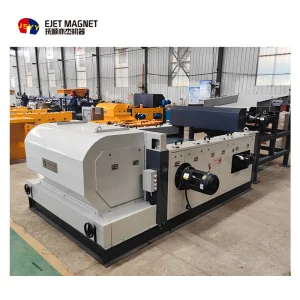
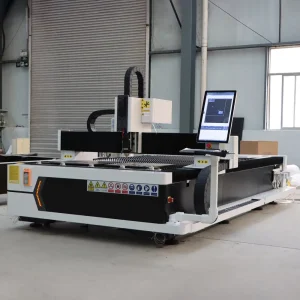
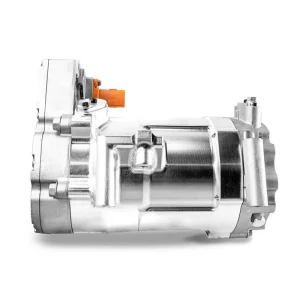
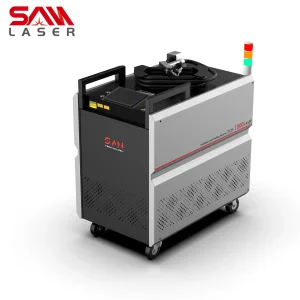
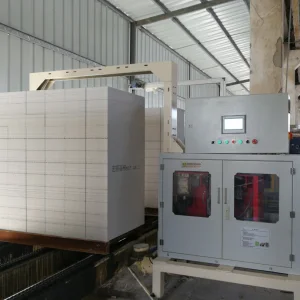
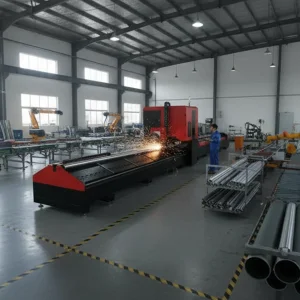
Designed for cutting-edge structural housings, precision motor core lamination, and automated industrial processing lines.
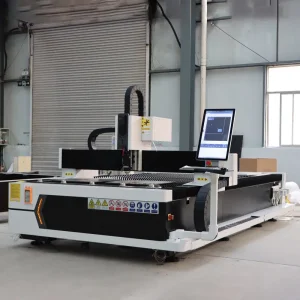
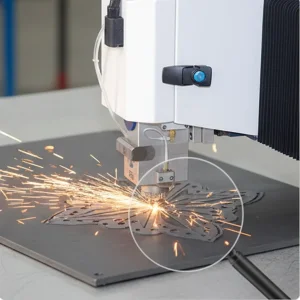
Namibia is dynamically positioning itself as a clean energy and green hydrogen champion in sub-Saharan Africa. As global industries pivot towards electric mobility and grid modernization, Southern African developmental hubs require localized capabilities for handling high-performance electrical steels. Specifically, low-loss non-oriented silicon steel (NO steel) and grain-oriented electrical steels (GO steel) are crucial for local power generation, solar transformer manufacturing, and mining machinery upgrades.
Deploying automated fiber laser and mechanical slitting systems enables Namibia-based automotive assembly hubs and engineering operations to manufacture stator-rotor stacks locally. This removes dependency on costly, long-lead-time imports of pre-stamped laminations and optimizes local value chains in line with the country's Growth at Home industrialization strategy.
Electrical steel is extremely sensitive to physical stress and heat distortion. Conventional mechanical cutting induces micro-strains along the edges, altering magnetic permeability and increasing core loss (watts/kg).
As global EV architectures transition from 400V to 800V, the demand for thinner steel laminations (down to 0.2mm and 0.1mm) has surged.
"For low-to-medium volume production runs, prototyping, and customized high-efficiency industrial motors, tooling-free fiber laser cutting has replaced expensive progress stamping dies. This saves up to 90% in initial development setup times and eliminates costly die wear maintenance."
Namibia is poised to leverage these global shifts. Historically, global supply chains for laminated cores were concentrated exclusively in Central Europe, East Asia, and North America. Today, flexible digital manufacturing stations powered by CXO Laser systems enable decentralized production directly near localized mineral processing zones and transport corridors like Walvis Bay.
How our state-of-the-art production hub in Shenzhen delivers unparalleled cost-to-performance margins for Namibian buyers.
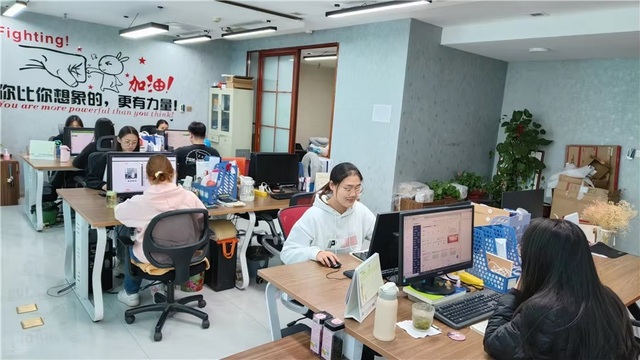
Originally founded in 2012 in Shenzhen, China, Shenzhen CXO Laser Co., Ltd. has established itself as an authoritative leader in precision brittle material and metal fabrication machinery. By integrating highly precise optical calibration setups with automated CNC machining frameworks, we bring a massive production efficiency dividend to our African regional partners:
Deploying high-power laser generators, heavy material handling, scrap sorting, and auxiliary cooling infrastructures across Namibia.
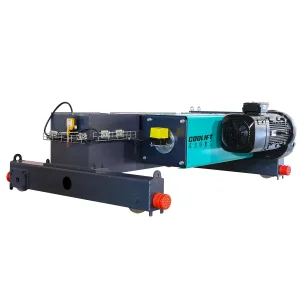
Shenzhen CXO Laser Co., Ltd. is a leading high-tech enterprise specializing in the R&D, integration, and manufacturing of advanced industrial laser processing equipment. Centered around our reputation as a trusted Laser Cutting Machine Manufacturer | Ceramic & Silicon Steel Precision Cutting Solutions provider, we deliver robust and stable systems designed to endure harsh operation profiles in electronics, electrical steel processing, heavy motor building, and automotive manufacturing fields globally.
Founded in 2012 in Shenzhen, China, our team initially targeted high-precision industrial integration and flexible sheet metal processing configurations. In response to skyrocketing global trends in electromobility, grid digitization, and advanced power machinery, we systematically adapted to brittle, high-hardness, and micro-strain sensitive substrates. By 2017, CXO Laser completed the development of its patented high-precision optical fiber cutting platforms, delivering minimized heat impact, ultra-tight dimensional tolerance control, and intelligent automatic control systems.
Today, our modern facility serves key industrial centers in Europe, Southeast Asia, the Middle East, North America, and is actively expanding local partnerships across Africa's developing manufacturing corridors, specifically Namibia, South Africa, and Zambia.
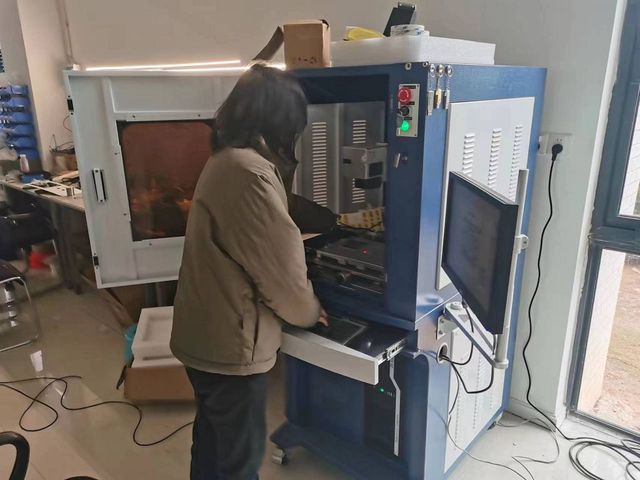
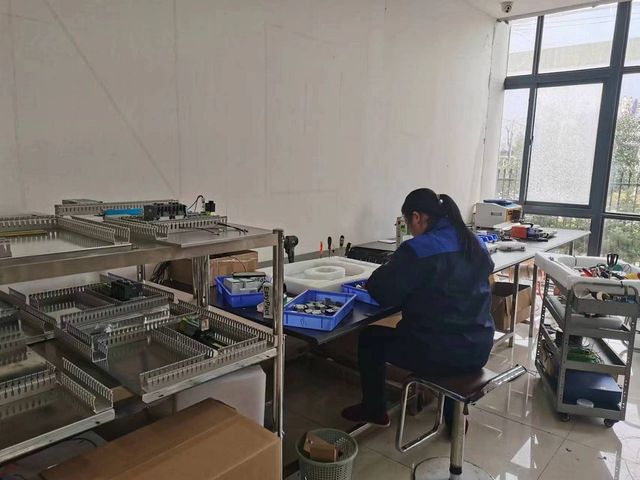
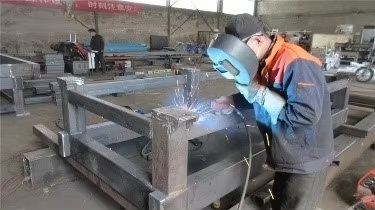
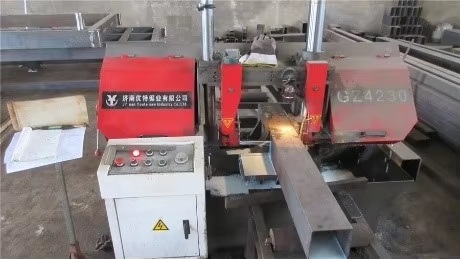
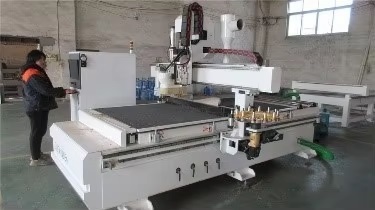
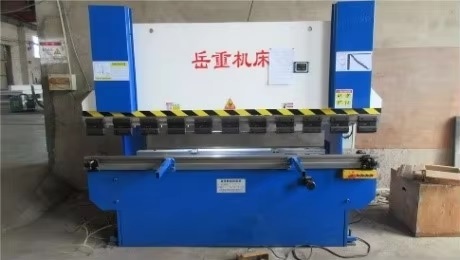
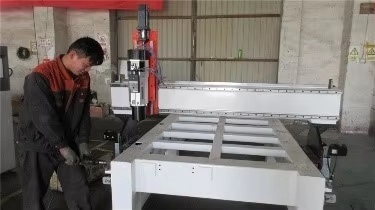
Our manufacturing workflow leverages fully integrated vertical calibration. CNC milling of structural gantries is performed in-house, followed by ultrasonic stress-relief and heat tempering to eliminate mechanical memory. This guarantees that systems installed in hot, dry Namibian climates maintain micron-level positional accuracy over decades of deployment.
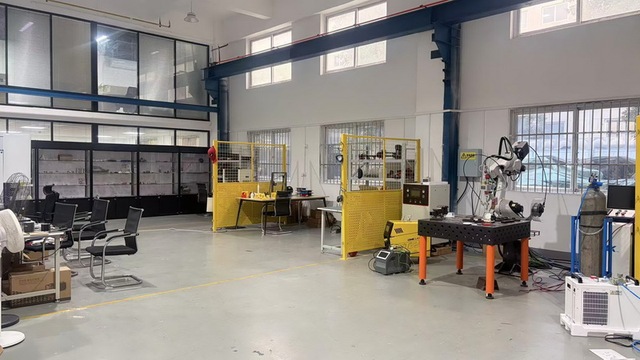
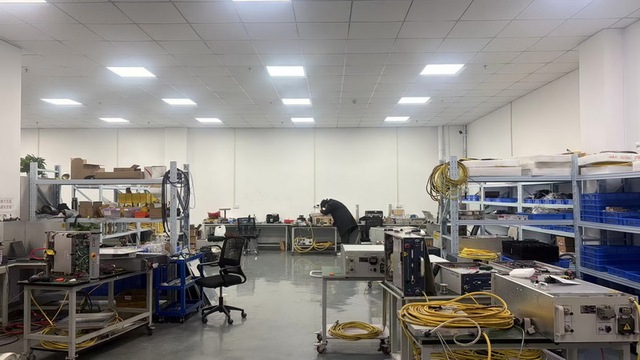
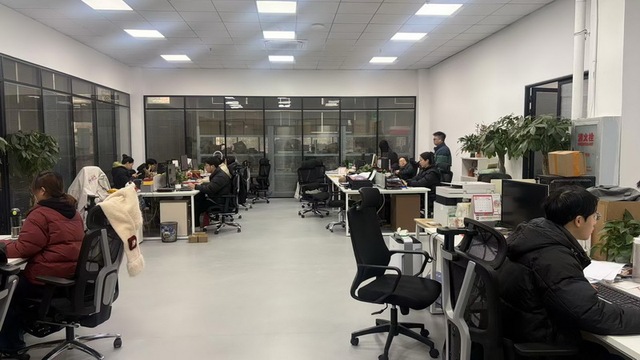
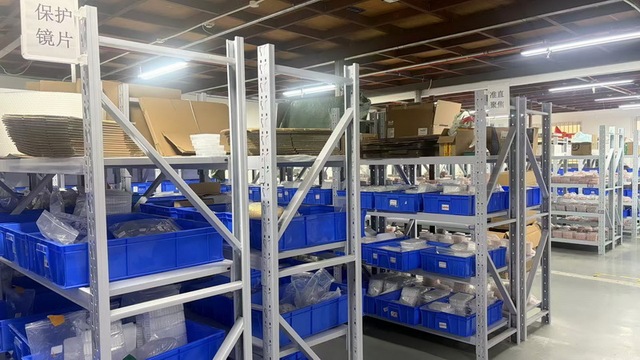
Seamless cross-border custom brokerage, secure maritime shipping, and local technical commissioning.
For African regional engineering directors, purchasing high-value capital equipment from China involves critical logistical decisions. CXO Laser has built structured export frameworks ensuring complete compliance with Namibian standards (SABS/CE certifications) and streamlined customs integration:
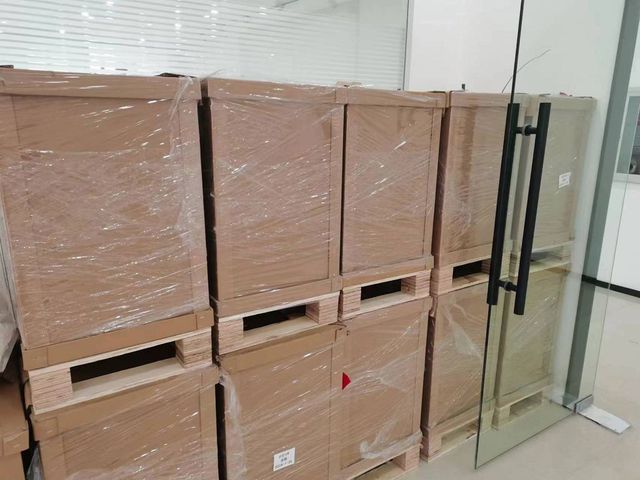
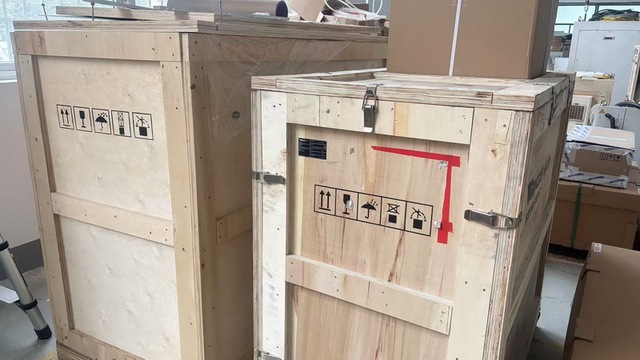
Machinery is securely crated inside moisture-vapor-barrier vacuum bags and loaded in standard containers for shipping directly to the Port of Walvis Bay. From Walvis Bay, we coordinate domestic flatbed transport to industrial zones in Windhoek, Swakopmund, or the northern mining corridors.
We provide remote video configuration support alongside certified field technicians for on-site leveling, optical alignment calibration, chiller configuration, and initial parameter tuning for local electrical steel grades.
Helpful technical answers regarding system operation, maintenance, and ordering parameters.
 CXO Laser