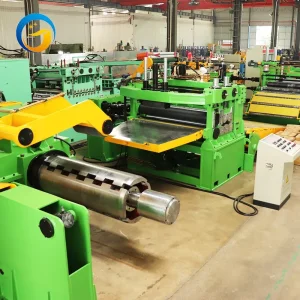
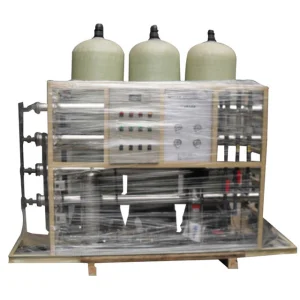
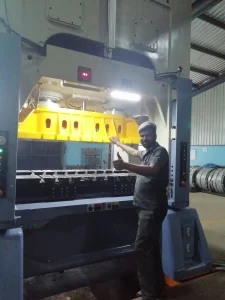
Explore high-performance automated systems engineered for high-precision cutting, stripping, slitting, and structural material processing.
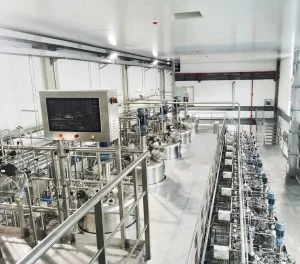
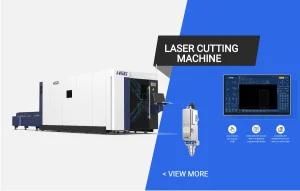
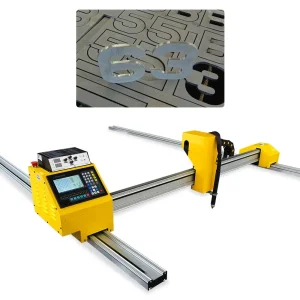
An engineering analysis of modern material science shifts, thermal dynamics in laser processing, and total cost of ownership (TCO) optimization for international manufacturing conglomerates.
The global industrial manufacturing landscape is experiencing a paradigm shift driven by decarbonization, electrification, and structural weight reduction. From electric vehicle (EV) battery packs and traction motors to aerospace components, microelectronics packaging, and high-efficiency transformers, the reliance on lightweight materials has intensified. However, processing advanced substrates—such as ultra-thin electrical silicon steel, technical ceramics ($\text{Al}_2\text{O}_3, \text{AlN}$), carbon-fiber-reinforced polymers (CFRP), and specialized non-ferrous alloys—presents severe physical challenges to legacy mechanical shearing, stamping, and conventional CO2 laser cutters.
Mechanical die-punching introduces severe micro-cracking, burrs, and inter-laminar stress in ultra-thin silicon steel laminations, which exponentially degrades magnetic permeability and increases iron hysteresis losses. Similarly, brittle substrates like alumina or silicon nitride ceramics are highly susceptible to catastrophic fracture under mechanical shear forces. Ultra-precision fiber laser processing and automated multi-axis cutting machines have emerged as the definitive benchmark for processing lightweight, high-hardness, and heat-sensitive materials without mechanical contact.
When cutting advanced electrical steels and technical ceramics, controlling the Heat-Affected Zone (HAZ) is crucial. High-frequency pulse modulation combined with high-peak-power fiber lasers drastically shortens single-pulse interaction time to nanoseconds or picoseconds. This vaporizes material before heat can conduct into adjacent crystal matrices, preserving structural integrity and dielectric boundary conditions.
Advanced fiber laser setups eliminate mechanical stress completely, enabling stress-free scribing and micro-cutting of fragile ceramic substrates used in 5G RF modules, LED heat sinks, and power semiconductor substrates.
Precision dynamic focus heads cut multi-layer silicon steel coils without burrs or edge-welding, preserving high electrical resistance between laminations and ensuring optimal motor core efficiency.
Designed with high structural rigidity using aviation-grade extruded aluminum crossbeams and dual-drive linear motors to achieve 1.5G acceleration while maintaining sub-micron dynamic stability.
Leading the frontier of industrial laser integration, ceramic scribing, and electrical steel processing solutions since 2012.
Shenzhen CXO Laser Co., Ltd. is a high-tech enterprise specializing in advanced laser processing equipment, positioned as a Laser Cutting Machine Manufacturer | Ceramic & Silicon Steel Precision Cutting Solutions provider. The company is dedicated to delivering high-precision, stable, and efficient laser cutting systems for industrial applications including electronics, automotive manufacturing, electrical steel processing, energy equipment, and precision component production.
Founded in 2012 in Shenzhen, China, CXO Laser initially focused on industrial laser integration and sheet metal processing solutions. With the rapid growth of smart manufacturing and high-efficiency material processing demands, the company expanded into advanced laser cutting technologies for brittle and high-hardness materials such as ceramics and silicon steel. By 2017, CXO Laser had developed a complete product system covering precision fiber laser cutting machines, automated cutting platforms, and intelligent control systems.
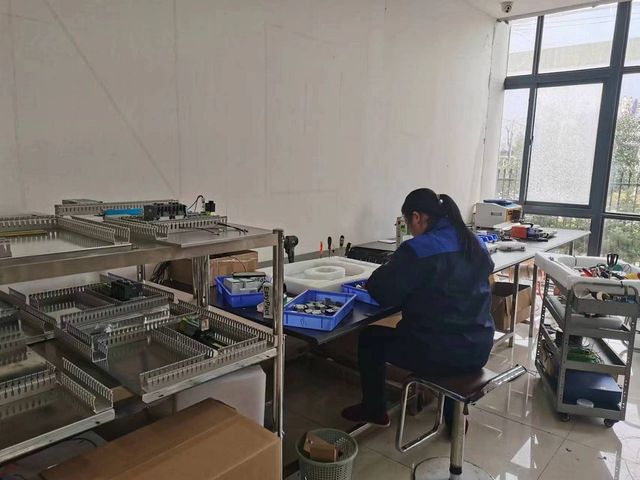
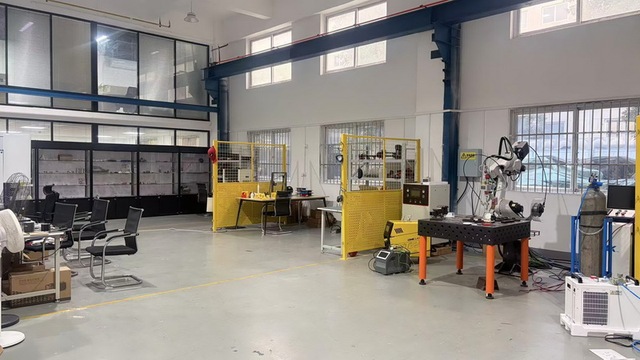
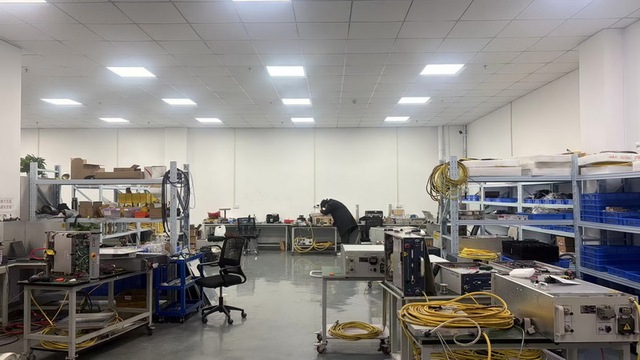
Today, the company operates modern production facilities equipped with high-precision optical calibration systems, CNC machining centers, and automated assembly lines. Its equipment is designed to deliver minimal heat impact, high cutting accuracy, and optimized production efficiency, meeting the strict requirements of global industrial clients.
Shenzhen CXO Laser Co., Ltd. continues to serve customers across Europe, Southeast Asia, the Middle East, and North America. With a strong focus on innovation, precision engineering, and intelligent manufacturing, the company is committed to advancing laser cutting technology and providing reliable solutions for high-performance industrial material processing worldwide.
Driven by intensive scientific research and close integration with global supply chain nodes, Shenzhen CXO Laser Co., Ltd. has developed proprietary optical path designs and intelligent CNC algorithms. The factory operates strictly under ISO 9001 quality management frameworks, with each machine undergoing 72 hours of continuous full-load laser calibration and interferometric accuracy verification prior to dispatch.
How the Pearl River Delta industrial cluster enables unprecedented cost-to-performance ratios, rapid innovation cycles, and robust customization.
Shenzhen’s industrial hub houses the world's most concentrated optical and precision engineering supply chain. From high-grade optical lenses and galvo scanners to premium laser sources (Raycus, Maxphotonics, IPG), components are sourced with zero lead-time friction.
Chinese suppliers offer unparalleled flexibility in adapting bed sizes, laser powers (1KW to 30KW+), automated material loading systems, and custom multi-axis CNC interfaces tailored specifically to localized operational requirements.
By leveraging integrated manufacturing ecosystems and direct-to-enterprise export channels, Chinese equipment delivers premium European/Japanese micro-machining performance at 30% to 50% lower initial CAPEX.
Technical performance comparison across key lightweight substrates processed by advanced CNC fiber laser cutting systems.
| Substrate Type | Typical Thickness | Recommended Technology | Assist Gas / Optics | Kerf Precision & Quality |
|---|---|---|---|---|
| Technical Ceramics ($\text{Al}_2\text{O}_3, \text{AlN}$) | 0.2mm – 2.0mm | Pulsed Fiber / UV Laser | High-Pressure $N_2$ / Galvo Scanner | Zero micro-cracking, kerf < 0.03mm |
| Electrical Silicon Steel Coils | 0.15mm – 0.5mm | Continuous Fiber Laser | Compressed Air / Coaxial Nozzle | Burr height < 5µm, preserves magnetic flux |
| Thin Stainless & Carbon Steel Sheets | 0.5mm – 6.0mm | High-Power Fiber Laser (1.5kW-6kW) | High-Pressure Nitrogen ($N_2$) | Oxide-free cut edge, high feed rate |
| Multicore Cables & Polymers | Variable Diameter | Automated Rotary Stripper / CO2/Fiber | Exhaust Extraction System | Clean outer sheath removal without inner shielding damage |
| Carbon Fiber Composites (CFRP) | 1.0mm – 4.0mm | Ultra-Short Pulse Fiber Laser | Argon Assist / Dynamic Focus | Eliminates delamination and fiber pull-out |
A systematic operational analysis for procurement directors evaluating long-term machinery return on investment (ROI).
Procuring lightweight material cutting equipment involves evaluating more than just the upfront capital expenditure (CAPEX). Senior plant managers and procurement officers must calculate Total Cost of Ownership (TCO) across a 5-to-10-year machine lifecycle. Key variables include operational power consumption, consumable lifespan (lenses, nozzles), maintenance downtime, and material scrap reduction achievable through dynamic nesting software.
CXO Laser systems utilize high wall-plug efficiency fiber resonators, consuming up to 70% less electrical energy than traditional gas lasers. Fast cutting speeds directly shorten part processing times, boosting overall factory yield.
Integrated CAD/CAM software suites optimize layout nesting automatically. Kerf widths as low as 50 microns enable tight spacing between intricate cuts, reducing raw material waste by up to 18% annually.
Ensuring seamless operational integration, operator safety, and multi-regional regulatory compliance for global exports.
All export machinery fully complies with European CE Directives (Machinery Directive 2006/42/EC, Low Voltage Directive 2014/35/EU). Optical enclosures meet Class 1 safety enclosure ratings with fully interlocked protection doors, filtered protective viewing glass, and integrated fume extraction ports.
Equipped with IoT cloud telemetry modules, CXO Laser engineers provide real-time remote optical diagnostics, software updates, and predictive maintenance alerts. Regional technical field partners across Europe, North America, and Southeast Asia guarantee fast local response times.
Intuitive CNC human-machine interfaces (HMI) supporting English, German, Spanish, French, Russian, Vietnamese, and Arabic, allowing rapid operator onboarding and reducing operator error rates.
Anticipating next-decade innovations: Artificial Intelligence closed-loop beam tuning, ultra-fast femtosecond lasers, and automated flexible manufacturing cells (FMS).
The continuous miniaturization of electronic devices and the scaling of electric vehicle production are pushing lightweight material processing into sub-micron tolerances. Key technological vectors reshaping the sector include:
Real-time coaxial camera sensors monitor melt pool sparks and kerf plasma density. Machine learning algorithms automatically adjust laser frequency, assist gas pressure, and focus position in micro-seconds to ensure zero-defect processing.
Picosecond and femtosecond lasers are moving from laboratory environments to industrial production lines. By providing "cold ablation," ultra-fast lasers eliminate thermal diffusion, allowing cut accuracy on heat-sensitive polymers and thin foil laminates without burrs or color distortion.
Deploying targeted laser cutting solutions across critical global manufacturing sectors.
Cutting ultra-thin copper/aluminum busbars, battery pouch cell tabs, and silicon steel stator/rotor laminations for electric vehicle motors with tight tolerance control and clean edges.
Precision micro-scribing of ceramic substrates, sapphire glass covers, and flexible printed circuit boards (FPC) for smart devices and power module packaging.
Automated cutting of high-grade amorphous alloy foils and silicon steel transformer cores for high-voltage solar inverters and wind turbine power conversion units.
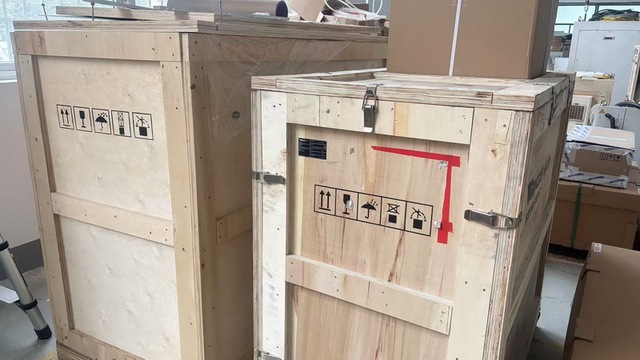
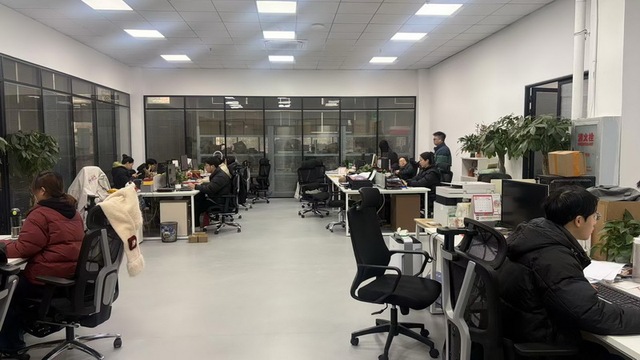
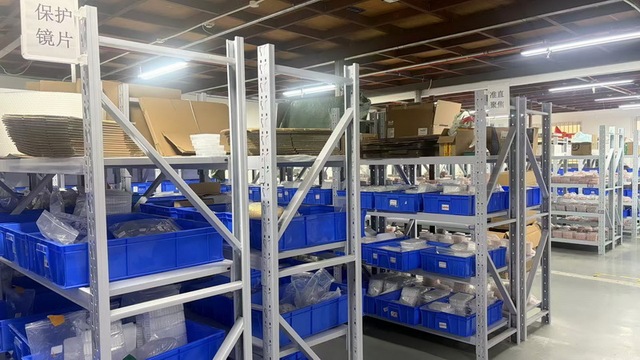
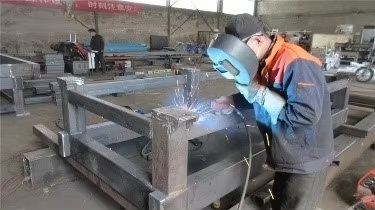
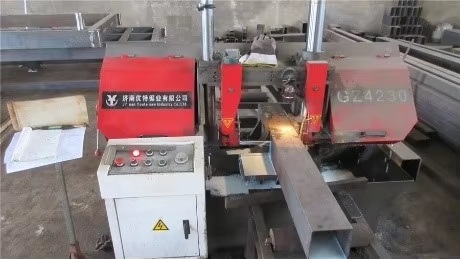
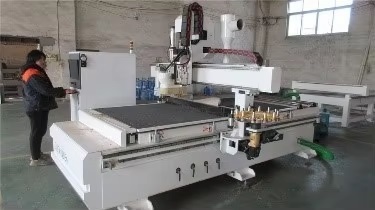
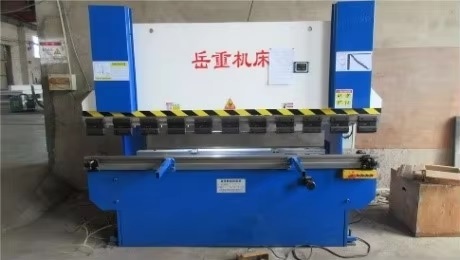
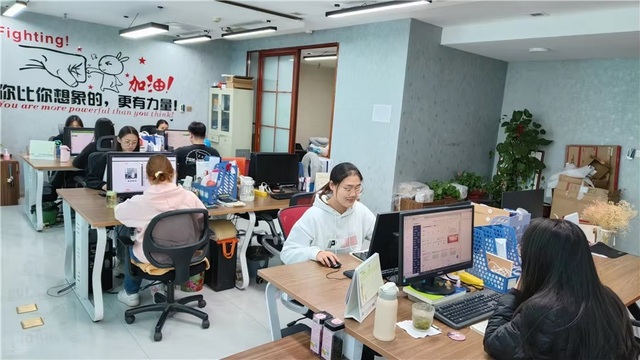
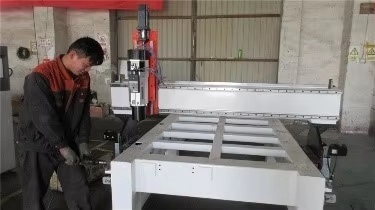
Take an insider look at our modern optical assembly, CNC calibration bays, and automated equipment production environments.
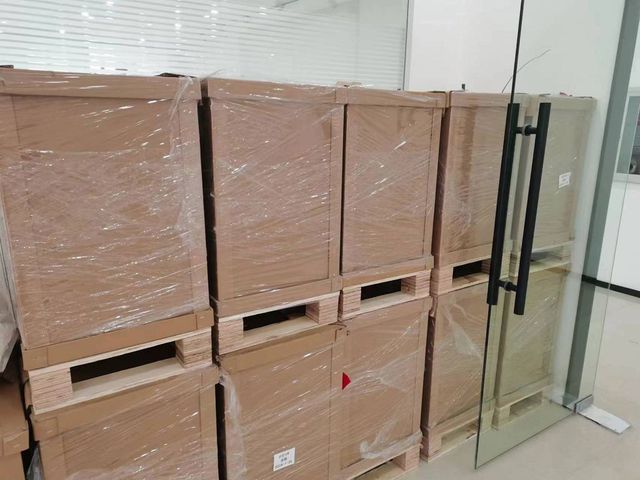
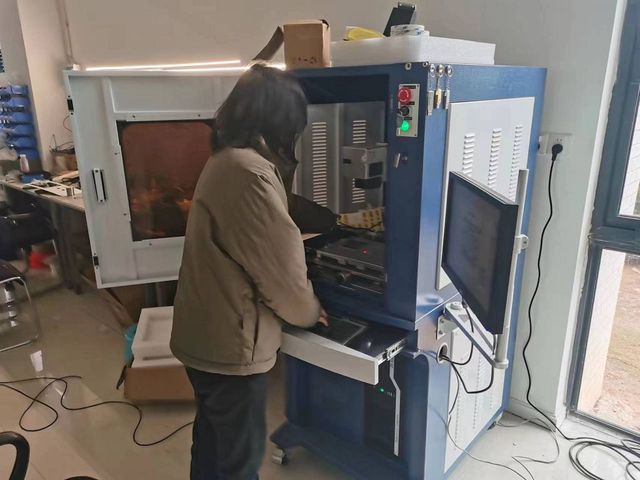
Expert answers to common engineering, commercial, and operational questions regarding lightweight material processing systems.
Mechanical stamping subjects thin silicon steel laminations to intense shearing forces, causing edge burrs, sheet deformation, and inter-layer micro-welding. This disrupts the insulation layer between laminations, increasing eddy current losses. Fiber laser cutting provides non-contact, high-precision thermal vaporization, achieving burr-free edges under 5 microns while preserving magnetic flux density.
Ceramics have low thermal shock resistance. Our precision cutting systems utilize ultra-short pulsed fiber lasers operating at high frequencies. By concentrating high energy into nanosecond pulse durations, material is ablated before thermal energy conducts outward into the ceramic matrix, eliminating micro-fissures and thermal stress cracks.
Our equipment is certified under European Union CE directives (ISO 12100 safety of machinery, EN 60825-1 laser safety standards) as well as ISO 9001 quality management systems. All export enclosures feature Class 1 enclosed safety interlocks to protect operational personnel.
Standard fiber laser cutting machines are typically manufactured and calibrated within 15 to 25 business days. Highly customized automated lines involving multi-axis robotics, coil slitting systems, or automated material loading cells take between 35 to 50 days, complete with pre-shipment FAT (Factory Acceptance Testing) verification.
We support global clients via dual-channel service: real-time remote diagnostics via secure IoT telemetry for immediate software/optical adjustments, paired with localized technical service partners for on-site installation, operator training, and annual preventive maintenance.
High-purity Nitrogen ($N_2$) at 14–20 bar pressure is recommended for stainless steel and aluminum to prevent oxidation, delivering bright, weld-ready edges. For carbon steel sheets, oxygen ($O_2$) assist provides an exothermic reaction for higher feed rates.
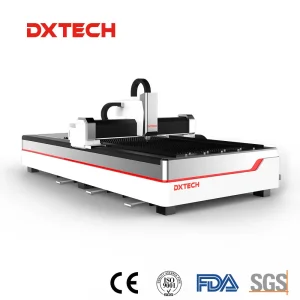
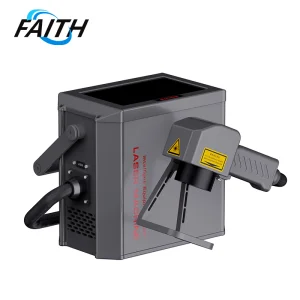
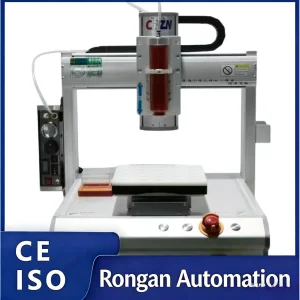
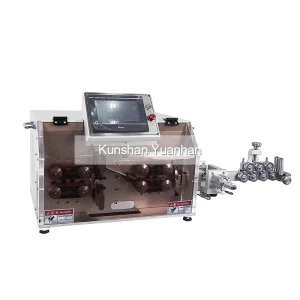
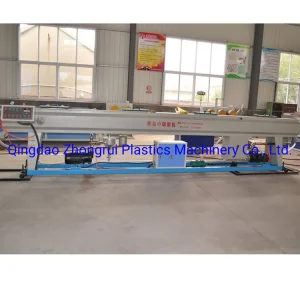
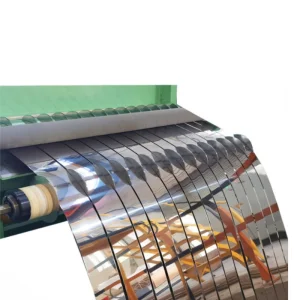
Additional specialized systems covering precision fiber marking, automated coil shearing, high-speed press lines, and pipe processing equipment.
 CXO Laser