CXO Laser
1 / 5
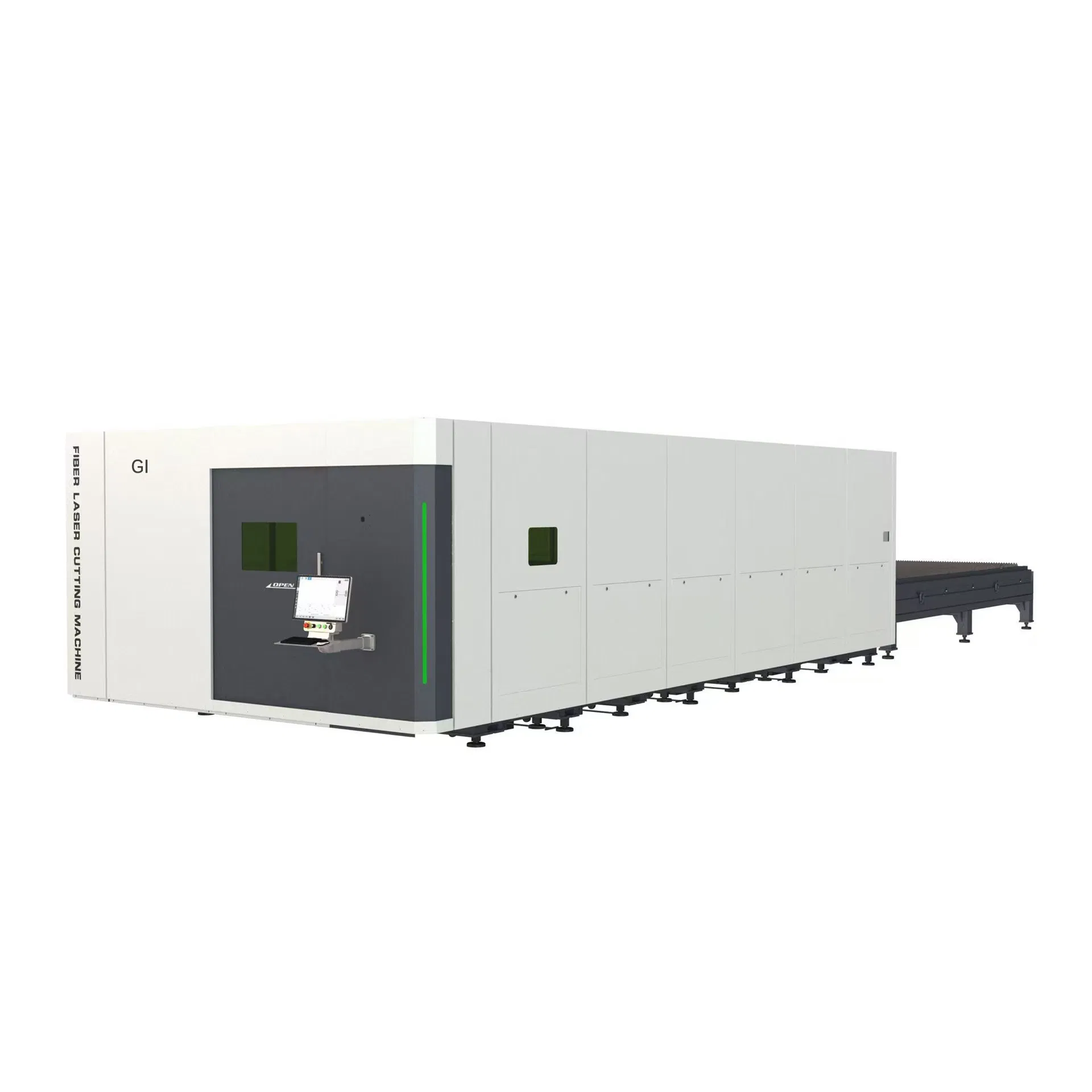

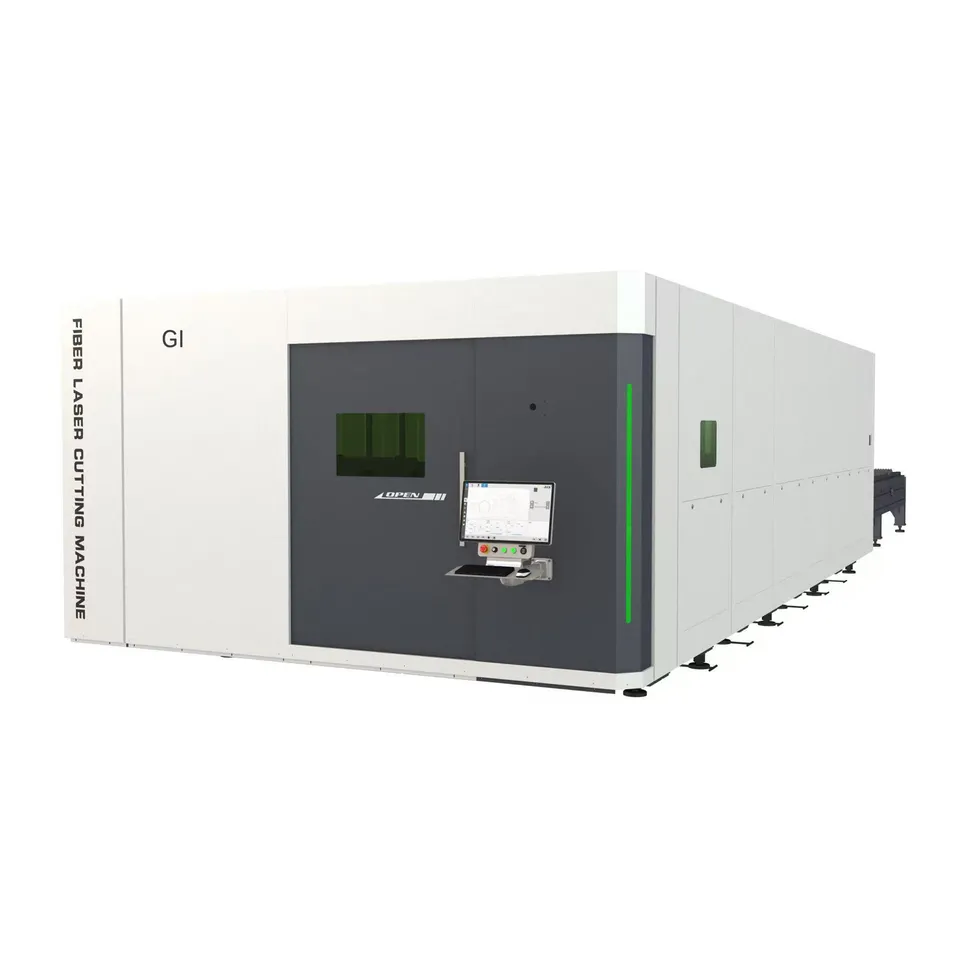
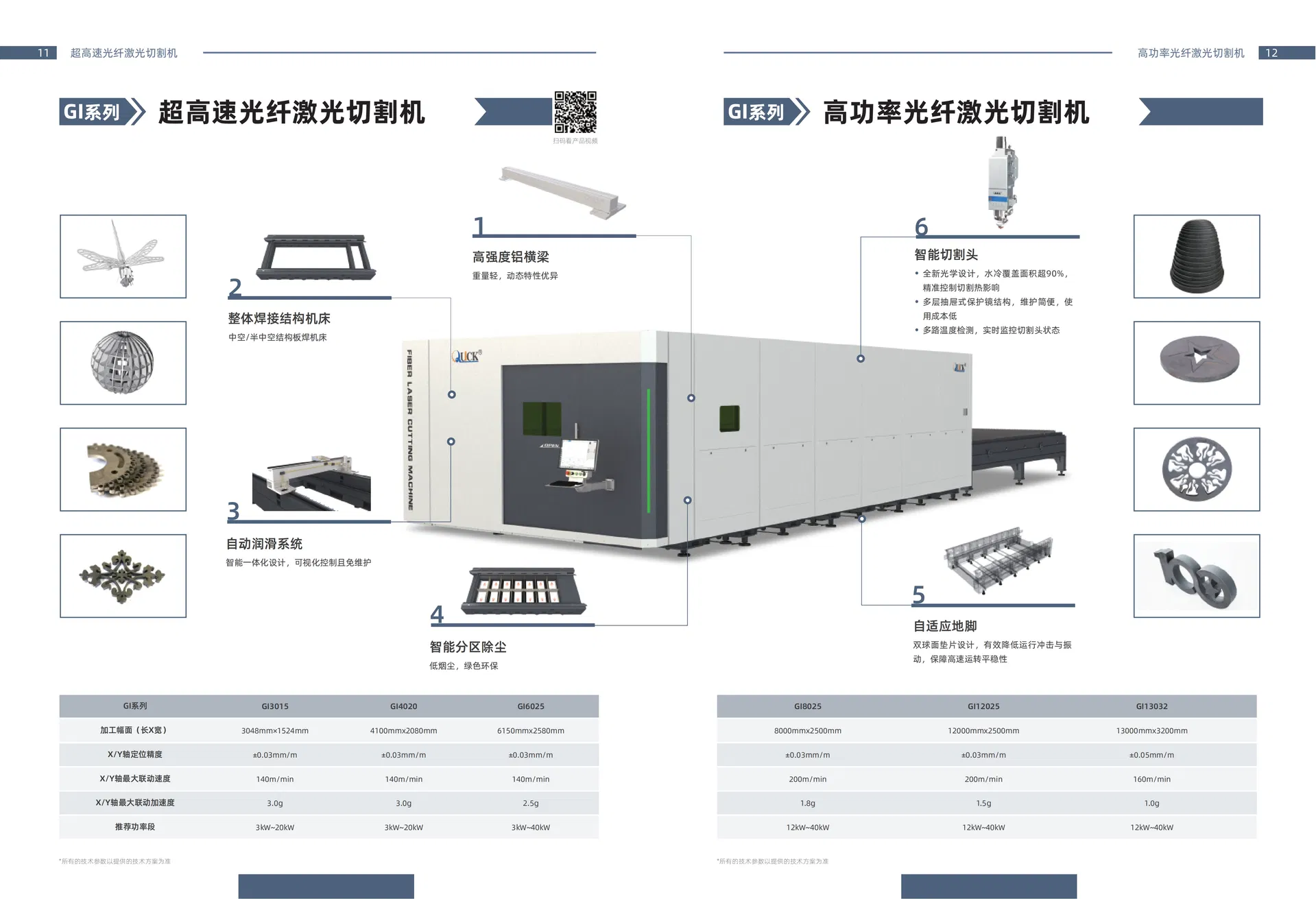
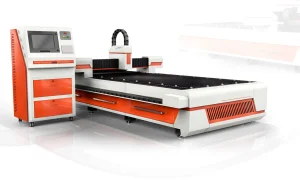
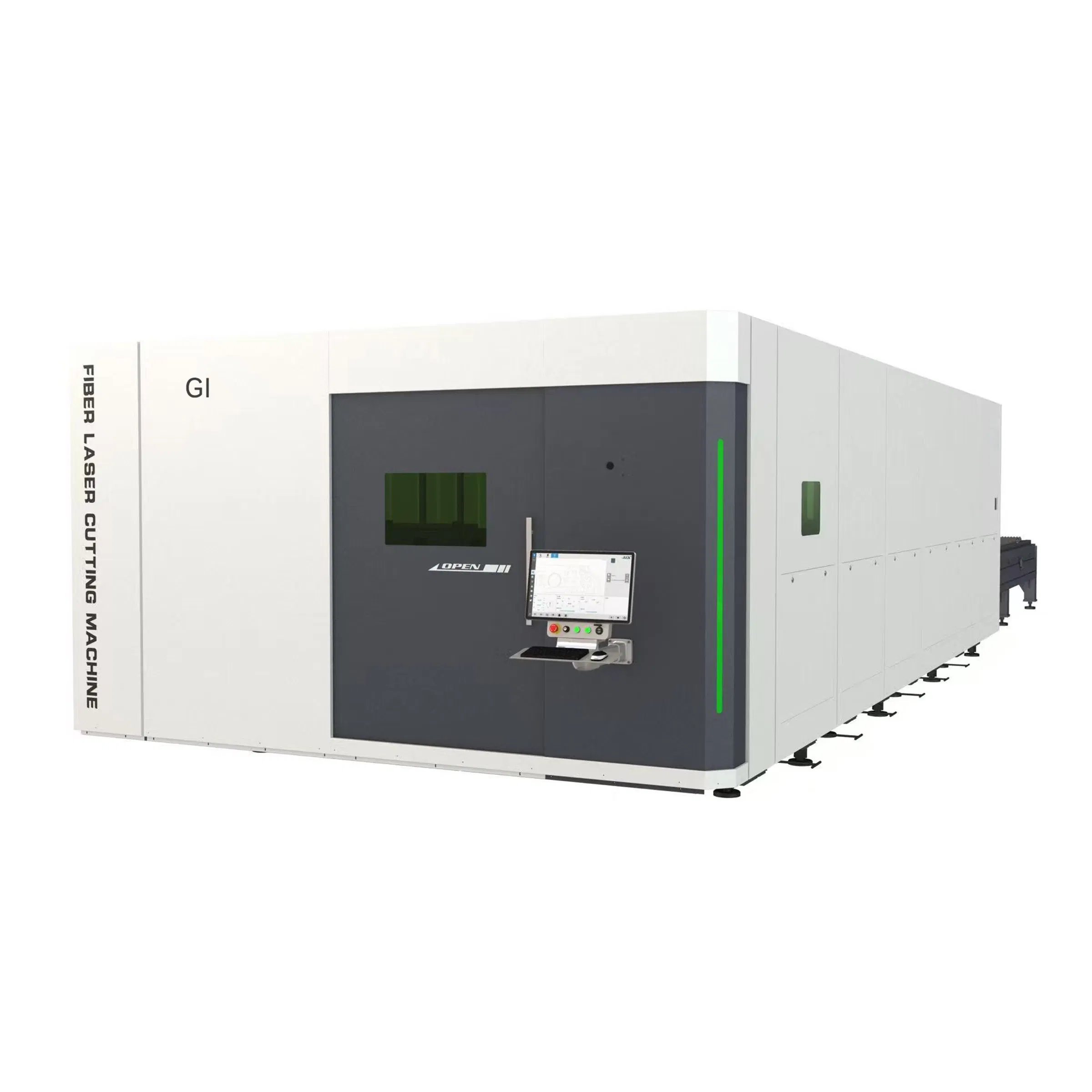
Fiber laser cutting machines utilize a high-quality beam mode, resulting in an extremely small focused spot diameter and exceptionally high energy density. This characteristic allows the equipment to achieve micron-level positioning accuracy and repeatability during the cutting process. The resulting heat-affected zone is very narrow, causing minimal thermal deformation of the workpiece. Simultaneously, the cutting surface is smooth and burr-free, typically eliminating the need for secondary processing.

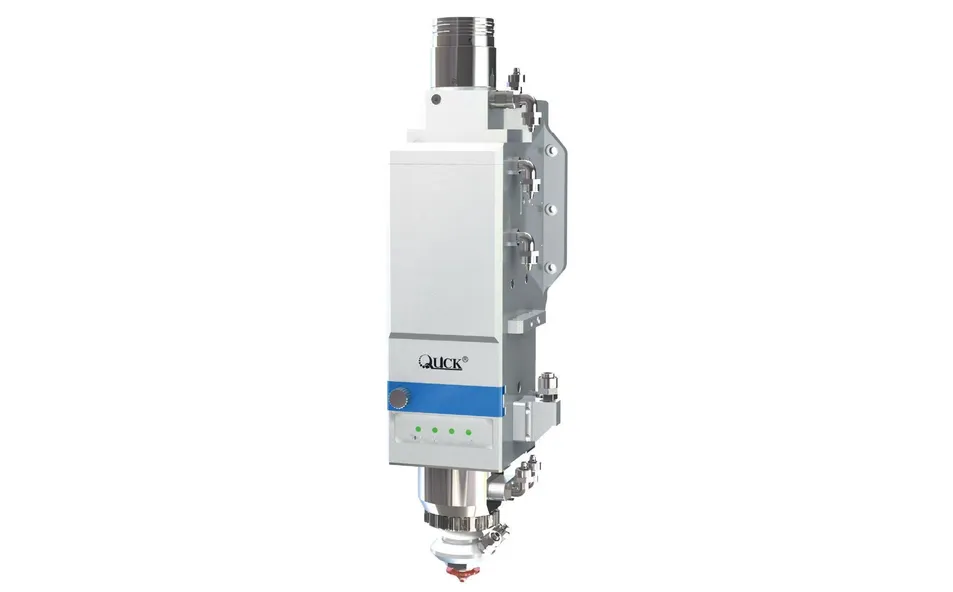
Compared to traditional lasers, fiber lasers boast a significantly higher electro-optical conversion efficiency, typically reaching over 30%, which is several times that of CO2 lasers. Daily consumables are limited to auxiliary gases and standard wear parts. Over long-term operation, the equipment saves businesses considerable electricity and maintenance costs, making it a highly economical processing solution.
Whether it's common carbon steel, stainless steel, or highly reflective non-ferrous metals like aluminum, copper, and brass, they can achieve stable and efficient cutting. This capability breaks the limitations of traditional processing methods regarding highly reflective materials, providing an ideal processing tool for industries such as electrical and decoration.
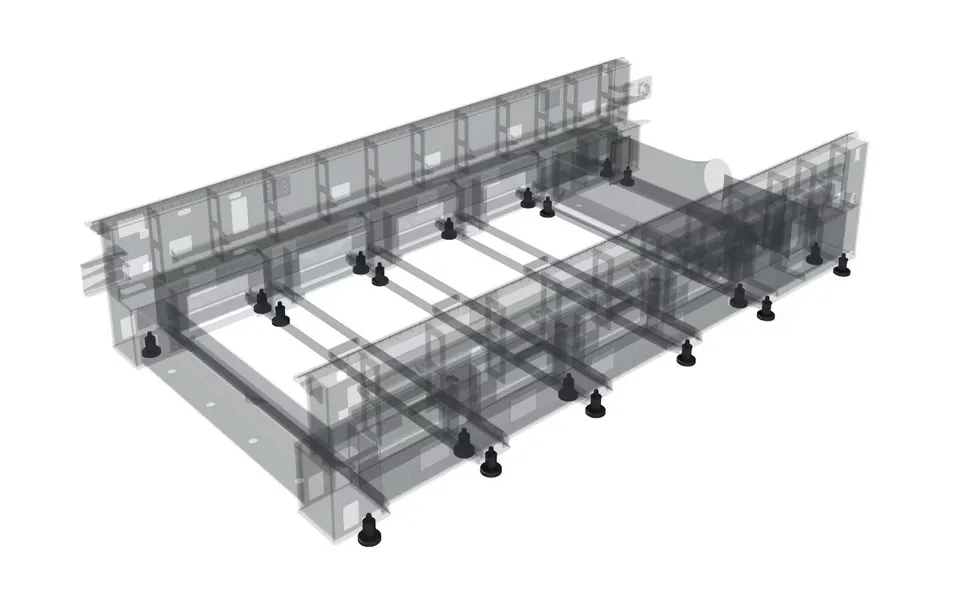
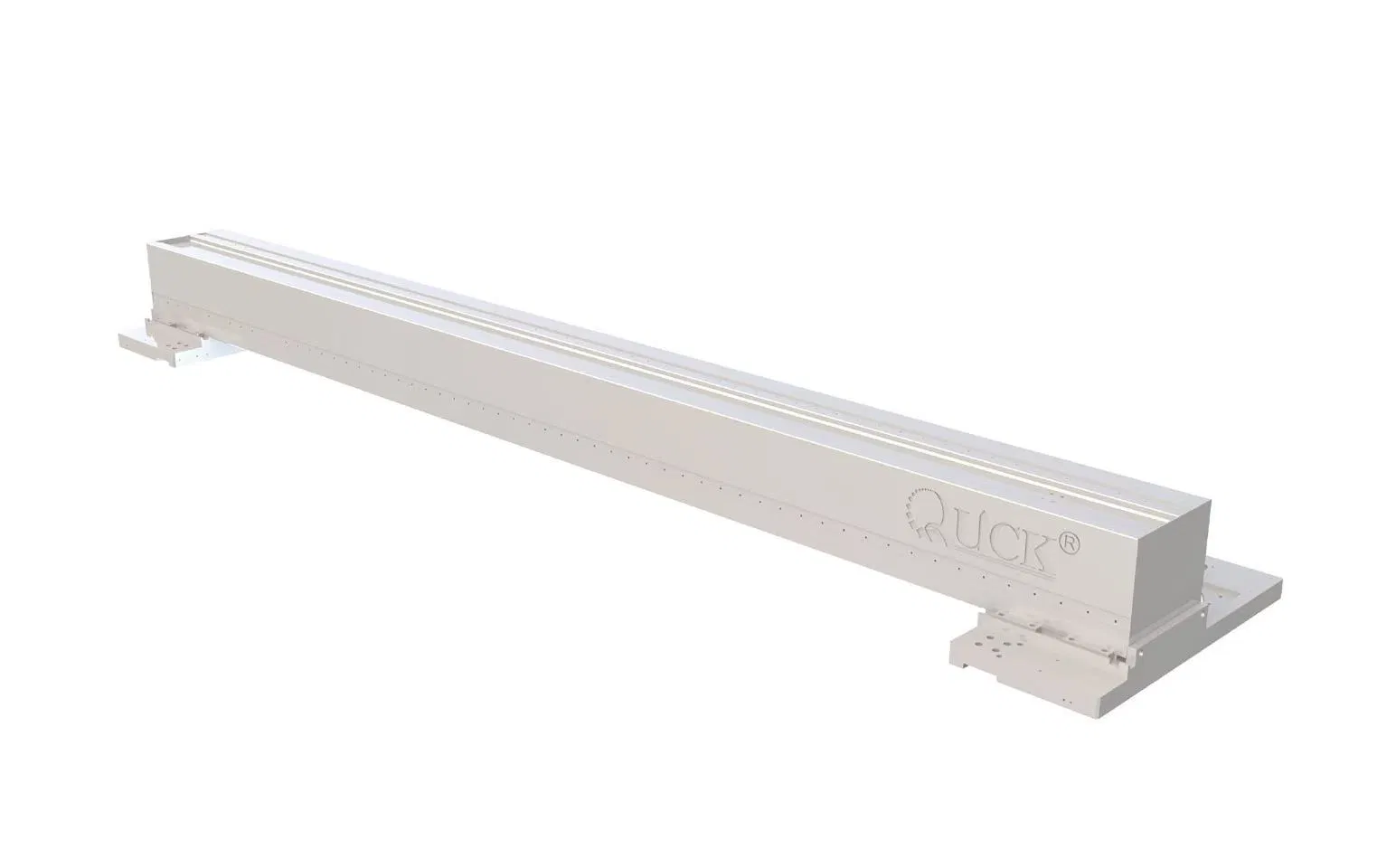
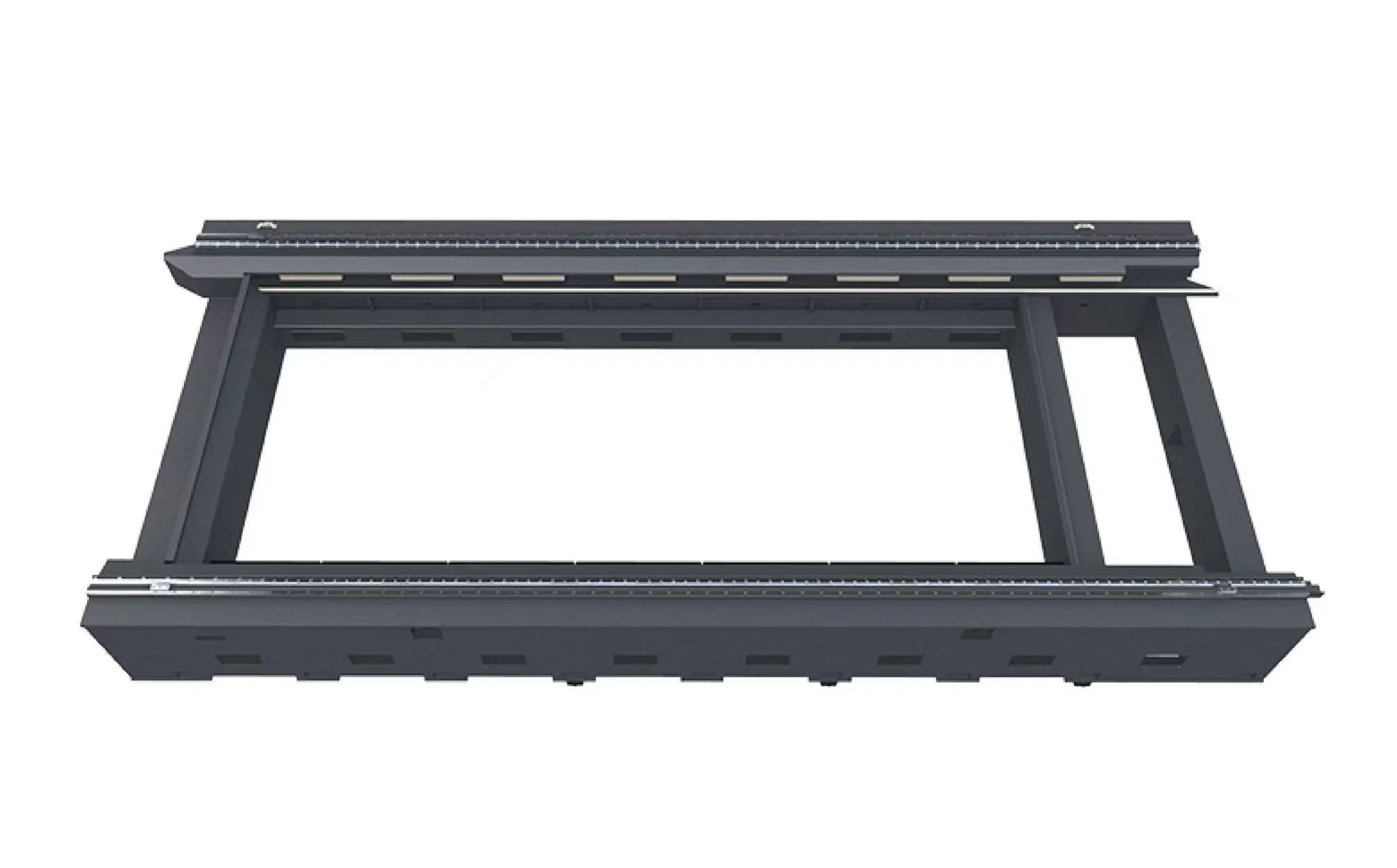
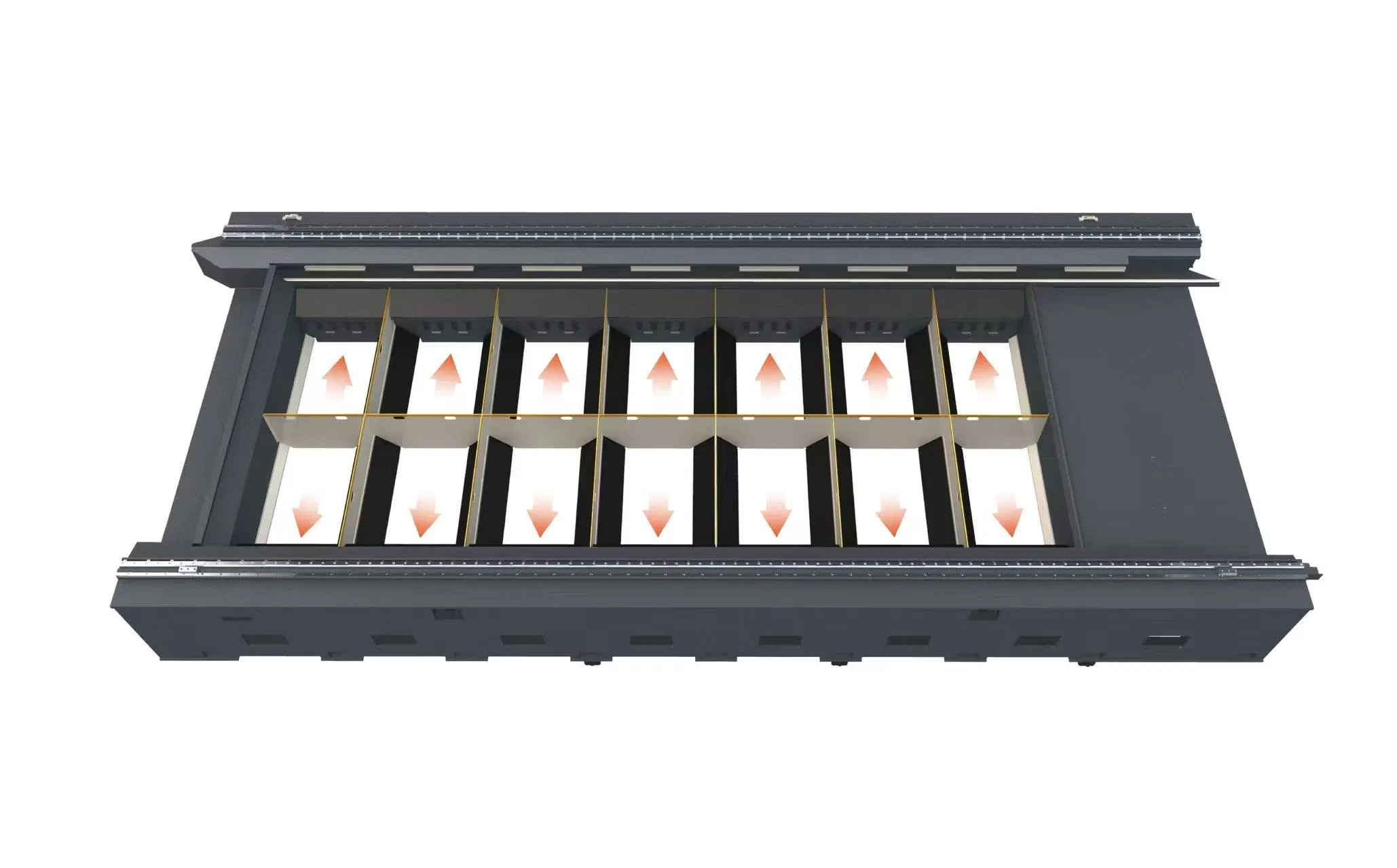
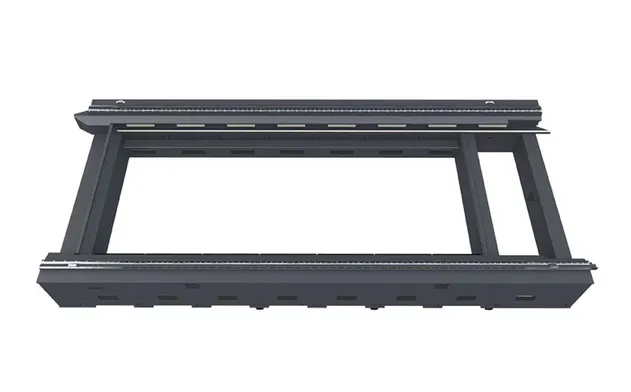
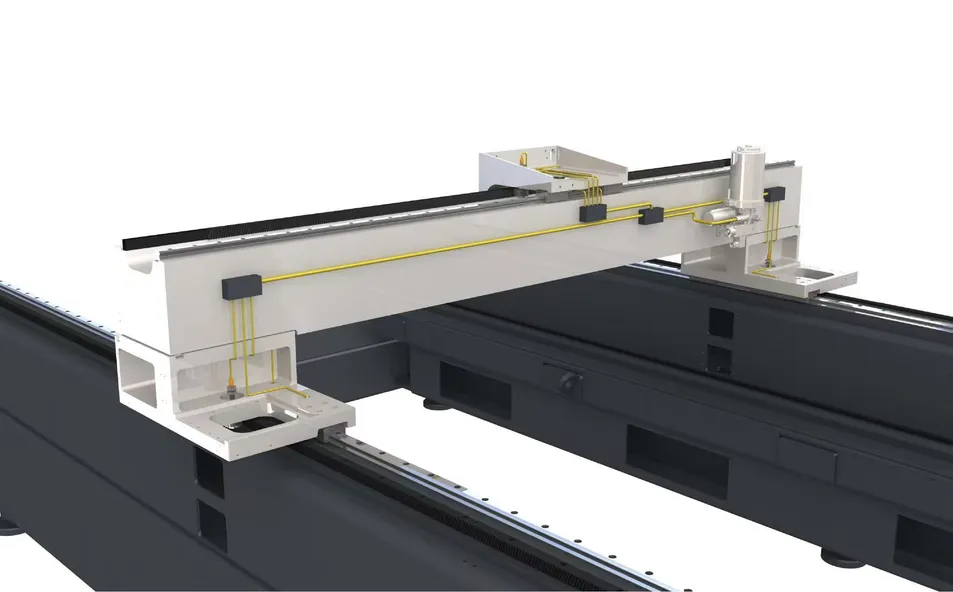
When processing thin to medium-thick plates, fiber laser cutting machines demonstrate remarkable cutting speeds. Speed can reach tens of meters per minute, far exceeding traditional punching and plasma cutting. Combined with a high-rigidity machine bed, the equipment achieves extremely high axis acceleration for X/Y axes.
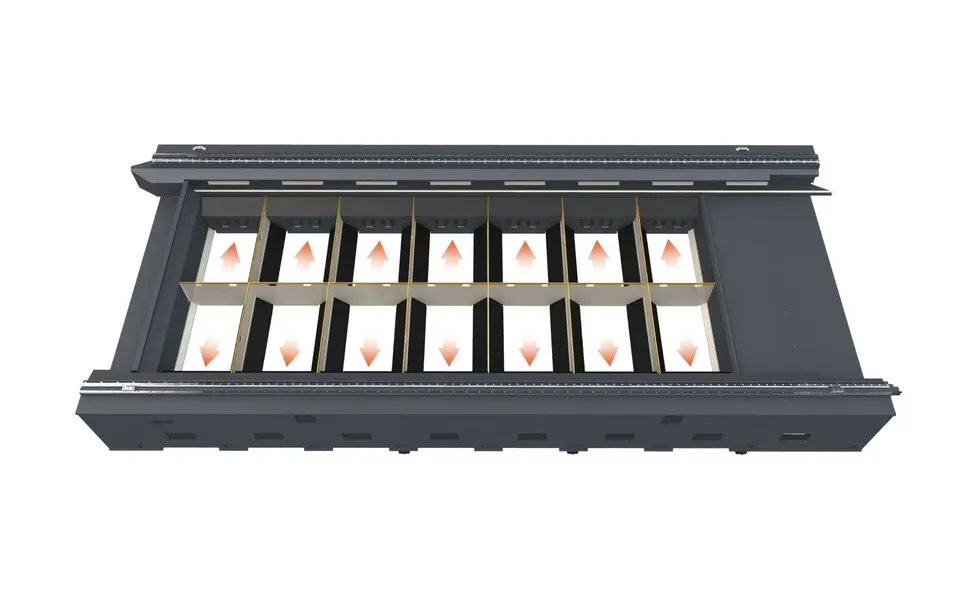
The optical path is completely enclosed within the fiber, eliminating the need for external optical lenses that require frequent adjustments. The design life of the core laser module typically exceeds 100,000 hours, and it operates without needing downtime for lens changes or optical path adjustments.