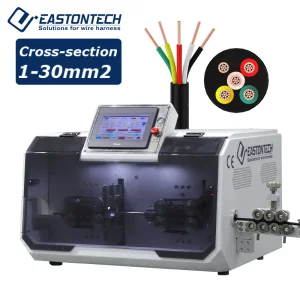
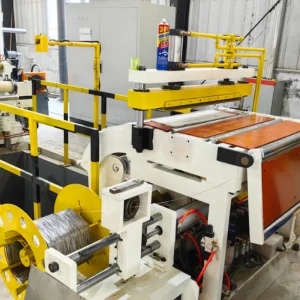
Explore our premium machinery inventory customized for dynamic factory environments and multi-tiered automated operations.
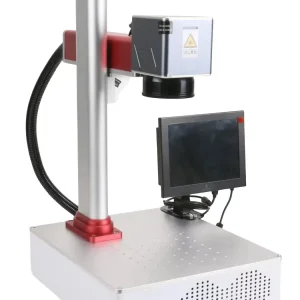
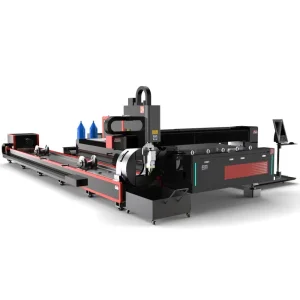
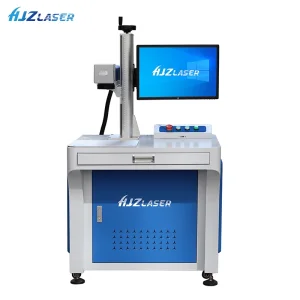
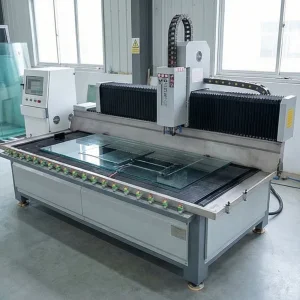
Analysing structural shifts in material fabrication, thermal mitigation, and macro-level precision standards.
The manufacturing landscape is undergoing a significant transition toward automation, high yield rates, and micro-scale precision. Traditional mechanical tooling methods—such as physical die-punching, rotary blades, and mechanical saws—regularly introduce excessive mechanical load, tool degradation, and structural stress. These challenges are especially pronounced when processing brittle materials (e.g., technical ceramics, alumina substrates) and high-hardness, structurally sensitive materials like electrical silicon steels.
To overcome these limitations, advanced CE-certified laser cutting platforms leverage non-contact material separation processes. By replacing mechanical friction with a highly focused, monochromatic optical beam, these machines reduce tool wear to zero, lower post-processing overhead, and secure consistent tolerances within micro-metric variations (±0.01 mm). As global demand for lightweight structural materials and high-efficiency electrical equipment rises, implementing precise laser architectures has become a key driver for business growth in modern manufacturing.
In standard metal processing, high temperatures can cause thermal degradation, structural distortion, and edge carbonization. Modern laser cutting setups address this by leveraging ultra-fast optical pulse modulations and specialized assistant gas delivery (such as high-purity Nitrogen or Argon). This combination reduces thermal dissipation into neighboring structures, maintaining the integrity of the material's mechanical properties.
Strategic considerations for procurement teams aiming to balance operational reliability and capital efficiency.
Procuring high-value assets requires reviewing total lifecycle performance rather than only initial cost. Sourcing components with reliable laser modules (e.g., Raycus or IPG) reduces maintenance needs, while modular assemblies help keep long-term operating costs (TCO) predictable.
To support Industry 4.0 standards, laser cutting systems should offer direct integration with factory execution software. Open system architectures like EtherCAT allow for real-time monitoring of energy consumption, sheet layout optimization, and system safety alerts.
Global supply chain management benefits from standardized design architectures. Utilizing universally compatible electrical components, optical collimators, and mechanical guides simplifies parts replacement and reduces reliance on single-source vendor networks.
How precise laser control addresses unique material characteristics across key high-tech sectors.
Electrical steel (silicon steel) is engineered for specific magnetic permeability and low core losses. However, mechanical punching or low-grade cutting can induce localized stress, which degrades these magnetic qualities. CNC fiber laser cutting systems address this challenge. By focusing energy precisely and using dynamic gas pressure to clear molten debris, they produce clean edges that preserve the electrical and magnetic efficiency of transformer cores and EV motor laminations.
Alumina (Al₂O₃), Aluminium Nitride (AlN), and Silicon Carbide (SiC) are widely used in high-power semiconductor packaging. Because of their hardness and brittleness, conventional mechanical saws can lead to micro-fractures, edge chipping, and eventual thermal failure. Modern short-pulse lasers bypass this issue through controlled sublimation, melting, and vaporizing materials along paths as narrow as 15 microns. This reduces mechanical strain, enabling close-packed component layouts and dense circuitry integration.
| Material Type | Key Challenge | Laser Solution Approach | Resulting Edge Quality |
|---|---|---|---|
| Electrical Silicon Steel | Edge degradation, mechanical stress, core loss increase. | Fiber laser (1064nm) with high-pressure N₂ gas assist. | Low HAZ (<15μm), clean cuts, preserved magnetic properties. |
| Alumina Ceramics (Al₂O₃) | Thermal shock cracking, chipping, micro-cracks. | Pulsed laser marking/cutting with adjusted frequency profiles. | Smooth edges, crack-free structures, tight tolerances. |
| Stainless Steel Sheet | Burrs, oxide layer formation, slag buildup. | High-power fiber laser with active capacitive height sensing. | Burr-free finish, highly reflective edges, no post-processing. |
Understanding the essential optical, mechanical, and safety integrations that define advanced laser machinery.
Leveraging high-reliability sources (like Raycus, Max, or IPG) ensures stable wavelength outputs, optimal beam quality (M² < 1.3), and long-term performance across demanding shift schedules.
High-precision gantry designs feature stress-relieved frames and direct-drive servo systems. Integrated sensors provide real-time positioning feedback to prevent path drift.
Sealed optical pathways and dynamic autofocus nozzles protect key optics from dust, maintaining consistent power delivery and protecting nearby operations.
Meeting international quality and safety benchmarks for seamless deployment in global markets.
For machinery targeting European and North American markets, meeting strict safety guidelines is essential. Sourcing CE-certified equipment ensures your operations comply with core safety directives, helping to protect workforce welfare and simplify site inspections.
By complying with these standards, companies can establish reliable processing facilities, lower liability risks, and streamline installation and operational approvals.
Integrating advanced engineering with large-scale industrial manufacturing capabilities.
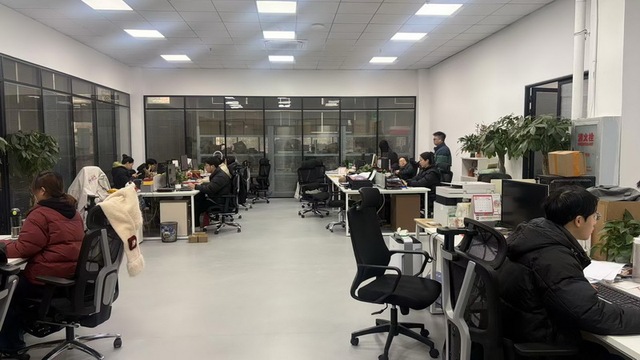
Shenzhen CXO Laser Co., Ltd. is a high-tech enterprise specializing in advanced laser processing equipment, positioned as a Laser Cutting Machine Manufacturer | Ceramic & Silicon Steel Precision Cutting Solutions provider. The company is dedicated to delivering high-precision, stable, and efficient laser cutting systems for industrial applications including electronics, automotive manufacturing, electrical steel processing, energy equipment, and precision component production.
Founded in 2012 in Shenzhen, China, CXO Laser initially focused on industrial laser integration and sheet metal processing solutions. With the rapid growth of smart manufacturing and high-efficiency material processing demands, the company expanded into advanced laser cutting technologies for brittle and high-hardness materials such as ceramics and silicon steel. By 2017, CXO Laser had developed a complete product system covering precision fiber laser cutting machines, automated cutting platforms, and intelligent control systems.
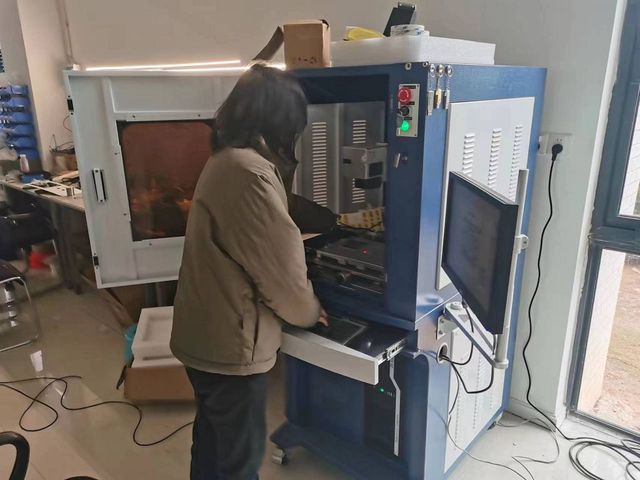
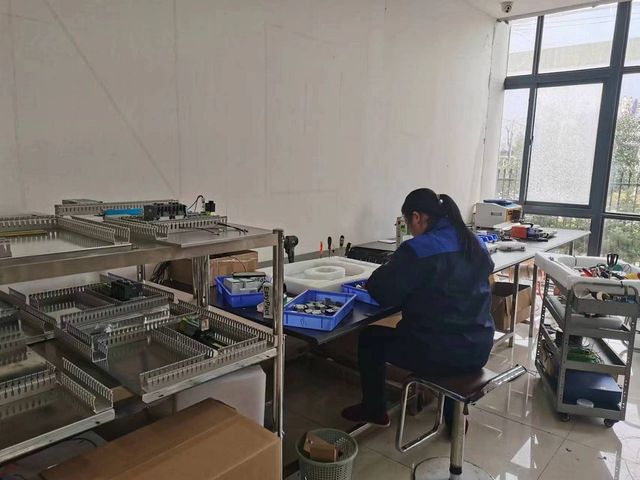
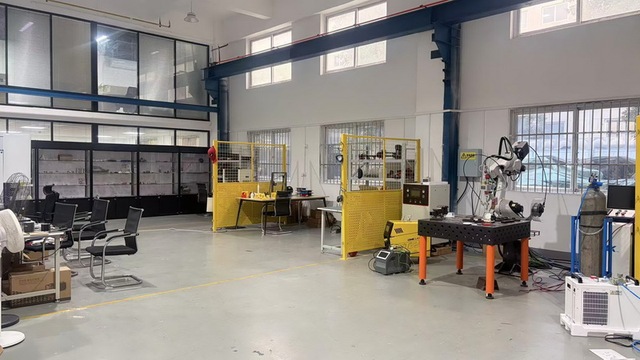
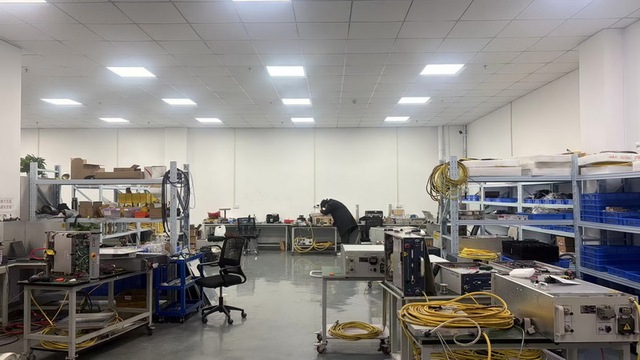
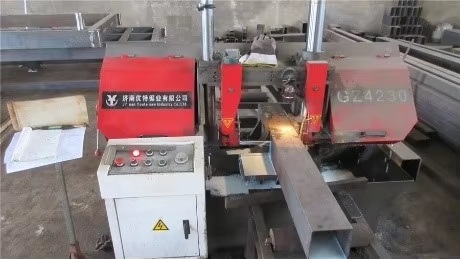
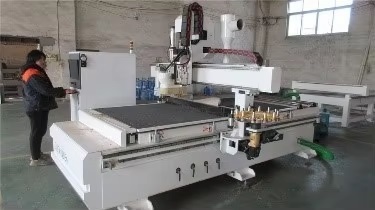
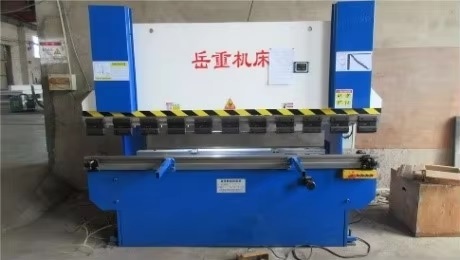
Today, the company operates modern production facilities equipped with high-precision optical calibration systems, CNC machining centers, and automated assembly lines. Its equipment is designed to deliver minimal heat impact, high cutting accuracy, and optimized production efficiency, meeting the strict requirements of global industrial clients.
Shenzhen CXO Laser Co., Ltd. continues to serve customers across Europe, Southeast Asia, the Middle East, and North America. With a strong focus on innovation, precision engineering, and intelligent manufacturing, the company is committed to advancing laser cutting technology and providing reliable solutions for high-performance industrial material processing worldwide.
Technical guidance regarding CE compliance, laser selection, and material processing parameters.
CE certification confirms that the machinery aligns with the safety and environmental protection requirements of the European Union (such as MD 2006/42/EC and LVD 2014/35/EU). It guarantees proper shielding of electrical components, interlocked enclosures, and laser radiation controls, supporting operator safety in industrial environments.
Fiber lasers operate at a wavelength of approximately 1.06 micrometers, which is more readily absorbed by metals than the 10.6 micrometers wavelength of CO2 lasers. This leads to higher speeds, cleaner edges, and lower power consumption when processing thin metal sheets, silicon steel plates, and reflective alloys.
HAZ is managed by optimizing pulse frequencies, adjusting cutting speeds, and using high-purity nitrogen assist gas. This configuration quickly clears molten material from the kerf, minimizing thermal transfer to the edges and protecting the magnetic properties of the steel.
Yes. Most advanced CNC laser cutting platforms support standard communication protocols (such as EtherCAT, Modbus, or OPC UA). This allows them to integrate with robotic loaders, sheet handling equipment, and central MES software for automated workflows.
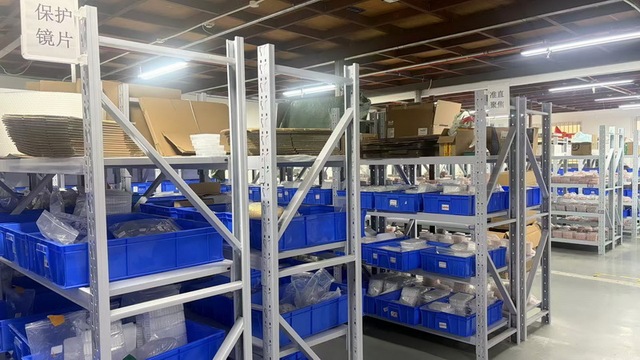
We provide remote diagnostic support, technician dispatch services, parts inventories, and on-site training. This setup helps operators handle routine maintenance, nozzle alignment, and parameter optimization to minimize downtime.
Further equipment options designed for precision processing, manufacturing, and workshop integration.
 CXO Laser