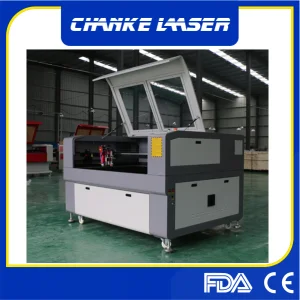
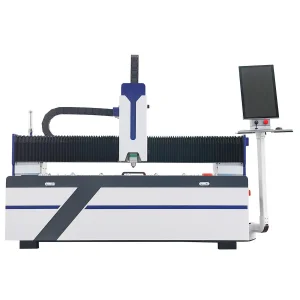
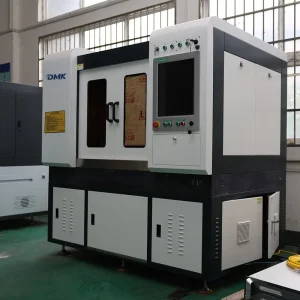
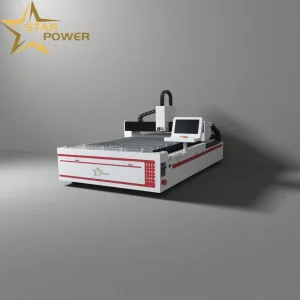
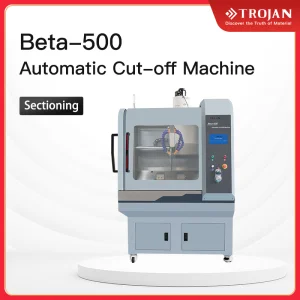
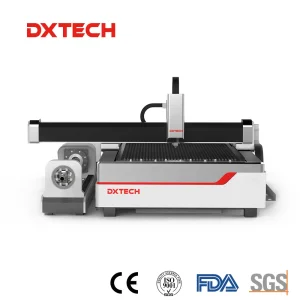
Explore our premium range of industrial automated laser systems and precision execution units deployed across high-demand processing plants globally.
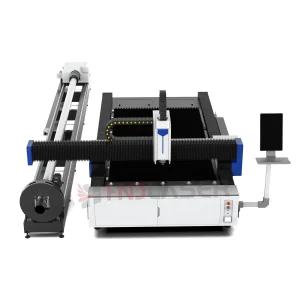
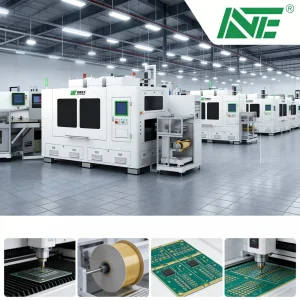
Shenzhen CXO Laser Co., Ltd. is a high-tech enterprise specializing in advanced laser processing equipment, positioned as a leading Laser Cutting Machine Manufacturer | Ceramic & Silicon Steel Precision Cutting Solutions provider. The company is dedicated to delivering high-precision, stable, and efficient laser cutting systems for demanding industrial applications including electronics, automotive manufacturing, electrical steel processing, energy equipment, and precision component production.
Founded in 2012 in Shenzhen, China—the global epicenter of advanced hardware manufacturing—CXO Laser initially focused on industrial laser integration and sheet metal processing solutions. With the rapid growth of smart manufacturing and high-efficiency material processing demands, the company expanded into advanced laser cutting technologies for brittle and high-hardness materials such as ceramics and silicon steel. By 2017, CXO Laser had developed a complete product system covering precision fiber laser cutting machines, automated cutting platforms, and intelligent control systems.
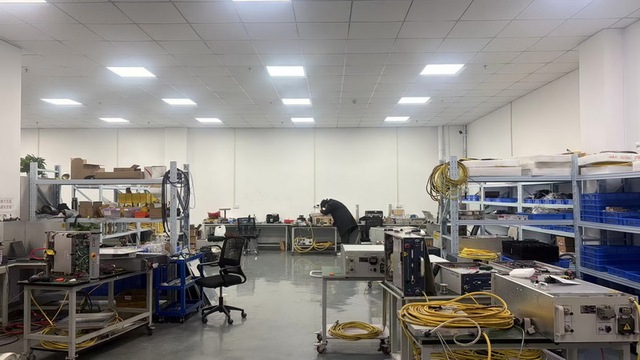
Today, the company operates modern production facilities equipped with high-precision optical calibration systems, CNC machining centers, and automated assembly lines. Our optical engineers use specialized interferometers and beam profilers to ensure absolute path precision. Its equipment is designed to deliver minimal heat impact, high cutting accuracy, and optimized production efficiency, meeting the strict structural and tolerance requirements of global industrial clients.
Shenzhen CXO Laser Co., Ltd. continues to serve customers across Europe, Southeast Asia, the Middle East, and North America. With a strong focus on innovation, precision engineering, and intelligent manufacturing, the company is committed to advancing laser cutting technology and providing reliable solutions for high-performance industrial material processing worldwide.
The global industrial landscape is experiencing a paradigm shift from basic CNC machining to fully integrated, intelligent laser cutting ecosystems. Fiber laser sources have advanced beyond simple thermal ablation, leveraging ultra-short pulse (USP) lasers, green lasers, and variable beam profile (VBP) technologies to cut complex geometries without micro-cracking.
Adaptive zoom heads automatically adjust the focal spot size and shape during high-speed cutting, ensuring seamless edge quality across varying plate thicknesses.
Specially tuned laser pulse profiles prevent thermal shock inside brittle substrates such as alumina ceramics and high-frequency silicon steel sheets.
Smart sensors detect variations in the optical emissions from the plasma zone, instantly modulating gas pressure and cutting velocity.
For industrial buyers, purchasing a laser system is not just about raw laser power (e.g., 3000W vs 12000W); it is a calculated capital investment designed to minimize the Total Cost of Ownership (TCO). Procurement managers assess machines on several operational pillars:
1. Uptime and Duty Cycle Stability: Modern factories require systems capable of continuous 3-shift operation (24/7 runtimes). Heavy-duty machine frame construction, stress-relief heat treatments of gantry assemblies, and the integration of IPG or Raycus laser sources determine this reliability.
2. Automation Integration Compatibility: Enterprise manufacturing Execution Systems (MES) require laser machinery that can communicate via standard industrial protocols (OPC UA, Modbus TCP). Systems must interface seamlessly with robot arms, automatic sheet loading cranes, and scrap conveyors.
3. Regulatory and Environmental Compliance: Systems must meet global safety directives, including CE certifications for European markets, FDA laser safety registrations in North America, and integrated fume extraction configurations to meet local environmental laws.
The geographical position of Shenzhen CXO Laser Co., Ltd. allows us to harness the unparalleled manufacturing clustering of the Pearl River Delta. By maintaining close ties with leading domestic and international subsystem suppliers, we offer high-performance laser integration without the premium price tags associated with Western competitors.
China's transition to Factory 4.0 means our manufacturing floor is not merely a component assembly line, but an advanced engineering node. Our structural steel frames are fabricated with precision gantry milling, thermal stress relief, and chemical anti-corrosion treatments to ensure structural alignment for decades. Laser calibration systems verify axis parallelism down to micro-inches, preventing diagonal geometry distortion during high-speed, multi-axis interpolation.
With vertical integration spanning mechanical engineering, laser physics development, software optimization, and control cabinets configuration, we dramatically cut down time-to-market. Custom system alterations—such as specialized automated material handling tables or multi-axis rotary chucks—can be designed, prototyped, and calibrated within weeks, rather than months.
Different sectors present unique metallurgical and dimensional challenges. CXO Laser designs bespoke system parameters matching those strict operating needs:
High-performance transformers require step-lap cores sliced from non-oriented or grain-oriented silicon steel sheets. Ordinary cutting shears induce high shear stress at the edges, destroying the crystalline structure and leading to high eddy-current losses. Our specialized laser systems resolve this by applying low thermal inputs and high gas velocities, ensuring clean edges with minimal burr heights (under 10 microns) to prevent electrical shorting between core laminations.
Alumina (Al₂O₃), Zirconia (ZrO₂), and Silicon Nitride (Si₃N₄) substrates are essential for modern power electronics, semiconductor packaging, and LED circuits. However, their high hardness and low fracture toughness make mechanical machining impossible. CXO Laser utilizes ultra-short pulse or green laser integrations, focusing energy in picoseconds to sublimate the ceramic material before heat can spread, eliminating micro-fracturing and yielding smooth cut edges.
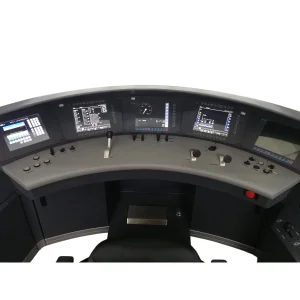
In transit and locomotive industries, precision operator interfaces, structural framing, and cockpit consoles are built using structural steel, aluminum extrusions, and composite laminates. Laser processing ensures that structural brackets and simulation enclosure panels assemble with zero-tolerance errors, maximizing structural integrity and operator safety.
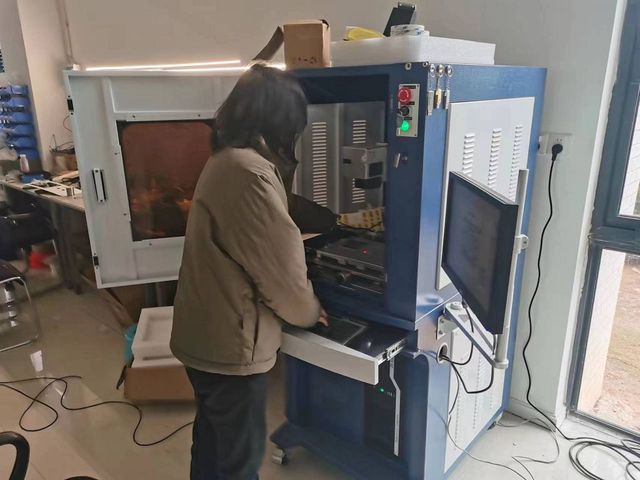
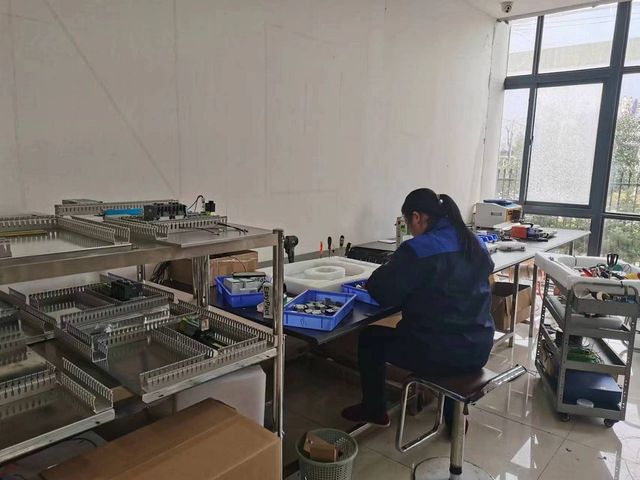
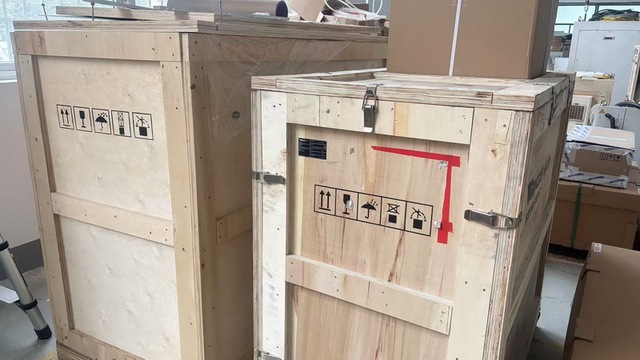
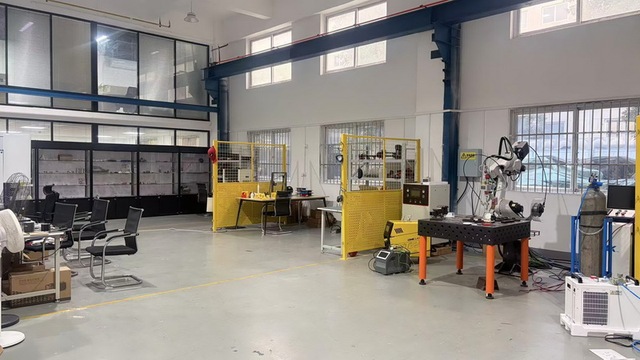
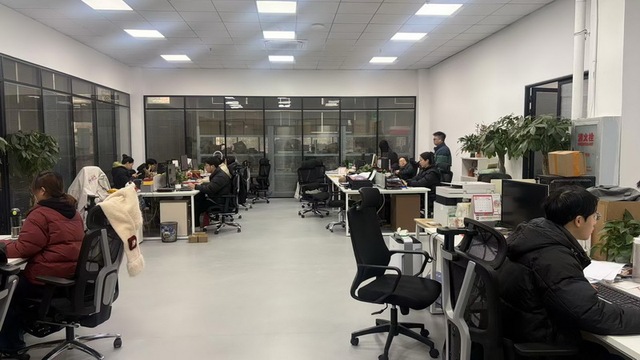
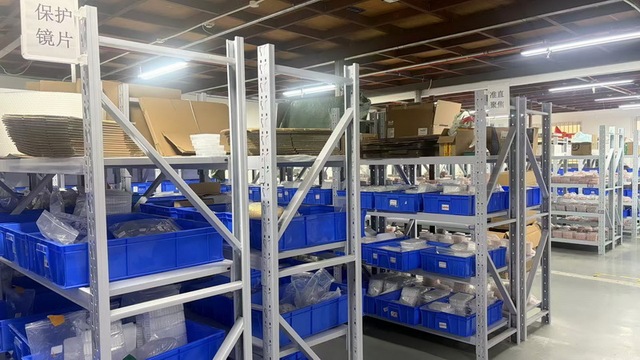
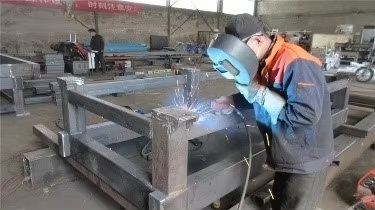
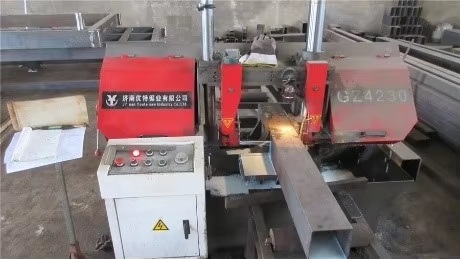
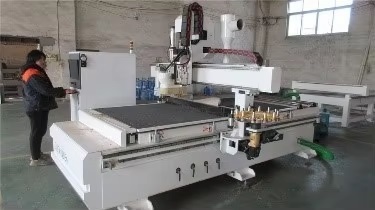
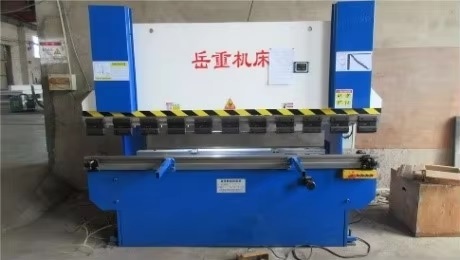
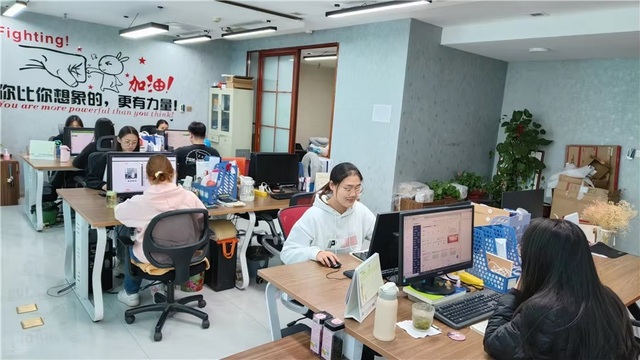
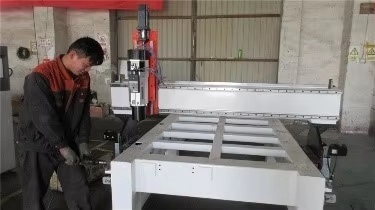
A look inside CXO Laser's state-of-the-art production floors, advanced CNC machining bays, testing laboratories, and automated integration cells.
Get professional, detailed answers directly from our senior engineering team regarding procurement, specifications, and operation.
Traditional diamond routing or water-jet cutting exerts mechanical stress on brittle alumina and zirconia, producing micro-fractures, edge chipping, and excessive tool wear. Our automated systems use localized thermal absorption with ultra-short pulse (USP) lasers, enabling vaporization-based kerfs without residual mechanical stresses, and cutting tolerances below ±0.01 mm.
Fiber lasers emit light at a wavelength of approximately 1.06 micrometers, which is absorbed far more efficiently by metallic substrates like silicon steel, aluminum, and stainless steel compared to the 10.6-micrometer wavelength of CO2 lasers. This leads to 2-3x higher cutting speeds for thin sheets, much narrower heat-affected zones (HAZ), lower electricity consumption, and virtually zero maintenance of optical mirrors.
Our CNC controllers run modern EtherCAT-based communication, feeding operational telemetry (e.g. tracking laser power degradation, gas assist pressure, and motor temperature) back to factory MES dashboards via OPC UA. Additionally, we integrate automatic sheet loader/unloader systems and intelligent nesting algorithms that reduce scrap margins while accelerating production output.
We configure our equipment in compliance with CE and FDA laser safety regulations. This includes Class 1 fully enclosed processing chambers, OD6+ rated observation window glass, safety interlocking door systems, active smoke and dust extraction filters, and high-performance safety relays that cut laser emissions instantly if any enclosure breach occurs.
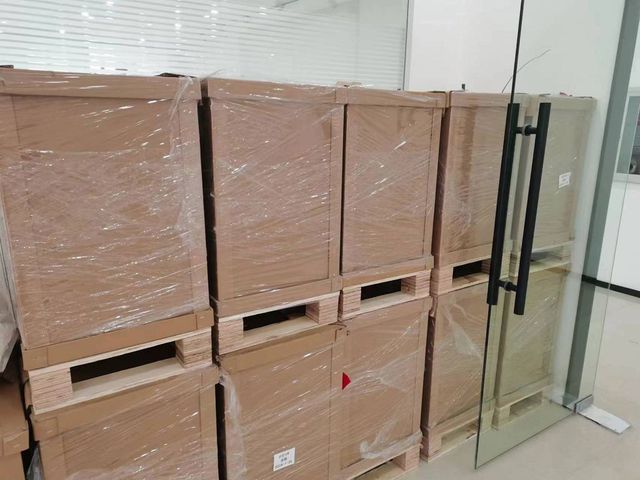
For standard laser systems, the delivery cycle is typically 30 to 45 business days, including calibration and testing protocols. For bespoke, automated integrations, lead times range between 60 to 90 days. We manage container loading, seaworthy vacuum packing to prevent oxidation, and prepare documentation for custom clearance globally.
All imported systems come with comprehensive visual operating guides, CAD installation layout maps, and pre-configured remote diagnostic connections. In addition to online engineer support, we maintain local support networks in key regions like Europe and Southeast Asia for on-site commissioning, machine optimization, and operator training.
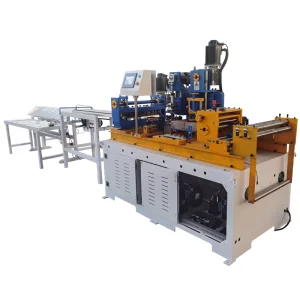
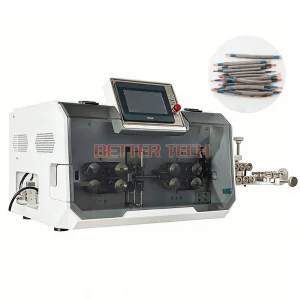
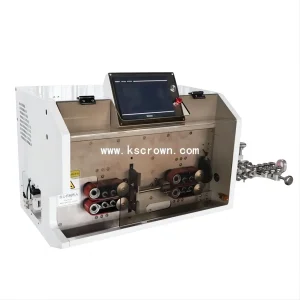
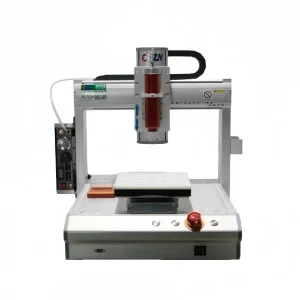
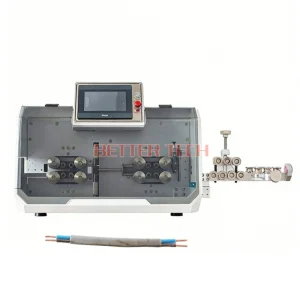
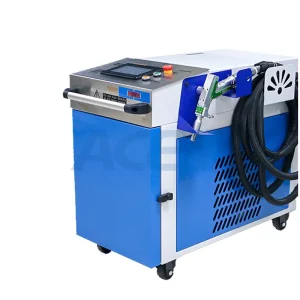
Browse our supplementary automated lines, multi-core cable processing systems, and specialized handheld welding systems designed for versatile manufacturing facilities.
 CXO Laser