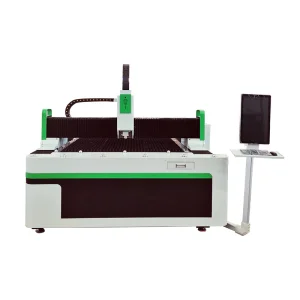
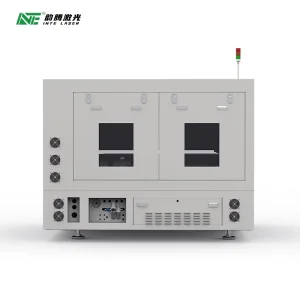
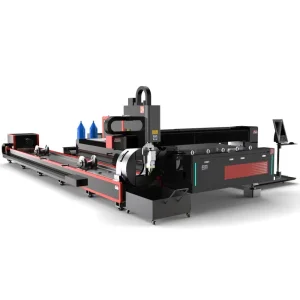
In the era of rapid microelectronics manufacturing, high-density energy grids, and intricate automotive subsystem assembly, the requirements for industrial cutting have shifted. Traditional mechanical stamp cutting, once the gold standard, increasingly fails to meet the strict tolerance limits required by modern components. In its place, non-contact thermal processing technologies—led by fiber and femtosecond laser configurations—have emerged as the foundation of modern component manufacturing.
Industrial components demand minimal Heat-Affected Zones (HAZ), micro-meter scale dimensional tolerances, and structural integrity. For brittle materials like ceramic substrates, silicon steel alloys, and multilayer PCBs, the challenge is clear: how to process materials at speed without introducing structural micro-fractures, delamination, or edge deformation. Achieving this balance requires specialized manufacturing machinery that integrates high-frequency pulse lasers, real-time closed-loop optical feedback systems, and rigid gantry structures.
Shenzhen CXO Laser Co., Ltd. is a high-tech enterprise specializing in advanced laser processing equipment, positioned as a leading Laser Cutting Machine Manufacturer | Ceramic & Silicon Steel Precision Cutting Solutions provider. The company is dedicated to delivering high-precision, stable, and efficient laser cutting systems for industrial applications including electronics, automotive manufacturing, electrical steel processing, energy equipment, and precision component production.
Founded in 2012 in Shenzhen, China, CXO Laser initially focused on industrial laser integration and sheet metal processing solutions. With the rapid growth of smart manufacturing and high-efficiency material processing demands, the company expanded into advanced laser cutting technologies for brittle and high-hardness materials such as ceramics and silicon steel. By 2017, CXO Laser had developed a complete product system covering precision fiber laser cutting machines, automated cutting platforms, and intelligent control systems.
Today, the company operates modern production facilities equipped with high-precision optical calibration systems, CNC machining centers, and automated assembly lines. Its equipment is designed to deliver minimal heat impact, high cutting accuracy, and optimized production efficiency, meeting the strict requirements of global industrial clients.
Shenzhen CXO Laser Co., Ltd. continues to serve customers across Europe, Southeast Asia, the Middle East, and North America. With a strong focus on innovation, precision engineering, and intelligent manufacturing, the company is committed to advancing laser cutting technology and providing reliable solutions for high-performance industrial material processing worldwide.
Global procurement directors and supply chain managers in the industrial machinery sector face complex purchasing choices. The primary objective is to balance upfront capital expenditure (CAPEX) with long-term operational efficiency (OPEX), system reliability, and overall throughput. When source-evaluating OEM/ODM manufacturing partners, procurement teams evaluate several key operational benchmarks:
Standard machines rarely meet specialized production layouts. Buyers seek factories that can alter physical footprint, integrate custom loading gantries, adjust optical focal lengths, and program customized HMI (Human-Machine Interface) software.
Equipment must comply with localized certifications. This includes CE directives for European markets, FDA/CDRH standards for laser emission safety in North America, and GMP/USP requirements for pharmaceutical water processing plants.
Beyond the initial purchase, the real cost lies in operating consumables (nozzles, protective lenses), gas consumption (N2, O2, Ar), electrical wall-plug efficiency, and scheduled maintenance intervals.
The transition of China’s high-end industrial base to the "Factory 4.0" standard has changed international equipment procurement. Shenzhen, at the center of this transformation, offers a unique combination of high-tech R&D and hardware manufacturing. This ecosystem provides significant structural advantages for global buyers:
Complete Vertical Integration: The proximity of raw material processors, precise optoelectronics engineers, gantry builders, and high-performance CNC software developers within a single logistics region reduces development lead times. What takes months in other regions can be designed, prototyped, and calibrated in weeks.
Supply Chain Resilience: During global logistical challenges, Factory 4.0 setups rely on multi-tier local sourcing networks. This structure prevents critical delays in sourcing components like linear motors, optical fibers, and laser heads, ensuring on-time delivery for large-scale industrial projects.
Precision cutting systems operate in specialized industrial applications. Below are four key scenarios where custom manufacturing platforms resolve specific operational bottlenecks:
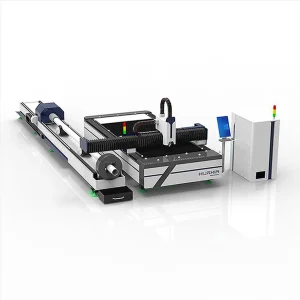
Challenge: Retaining the electrical and magnetic performance of thin silicon steel sheets during cutting by preventing mechanical stress and burrs.
Solution: High-precision CNC fiber laser setups with optimized gas delivery that minimize burrs and protect the material's magnetic properties.
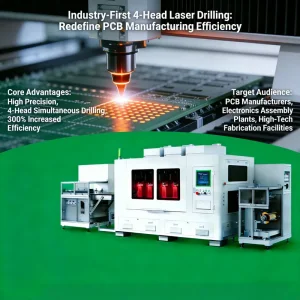
Challenge: Processing multi-layer thin PCBs without causing thermal delamination or damaging adjacent conductive traces.
Solution: Multi-head, roll-to-roll automated laser drilling platforms that ensure micro-meter precision on flexible substrates.
Challenge: Cutting display-grade glass panels without creating micro-cracks or structural chipping along the edge.
Solution: Industrial-grade femtosecond laser cutting systems that use ultra-short pulses for cold material ablation.
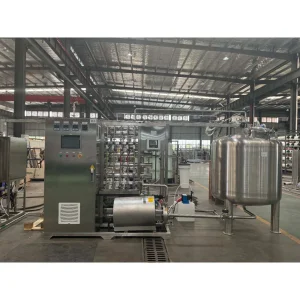
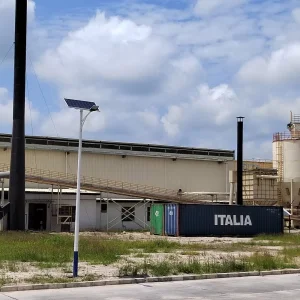
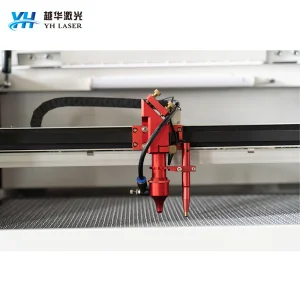
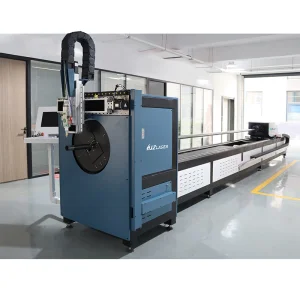
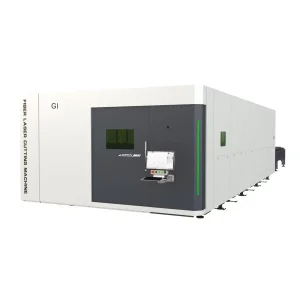
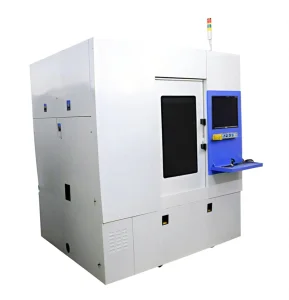
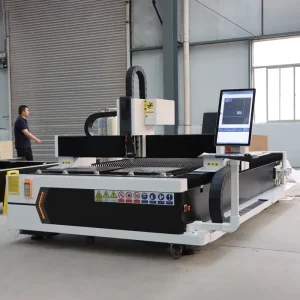
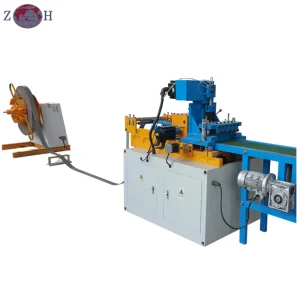
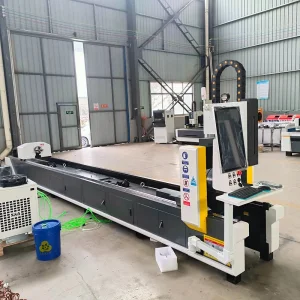
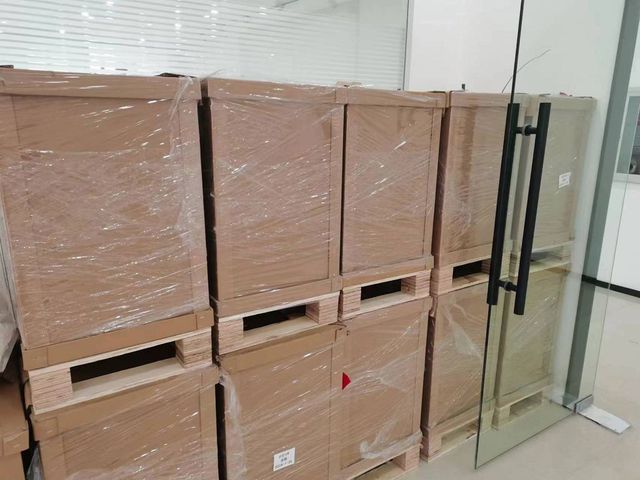
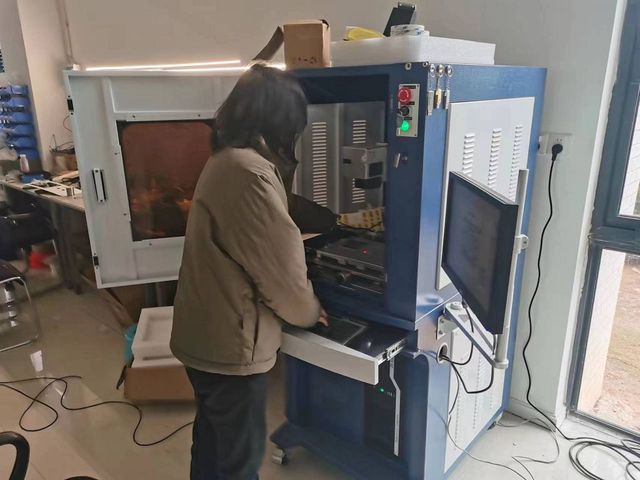
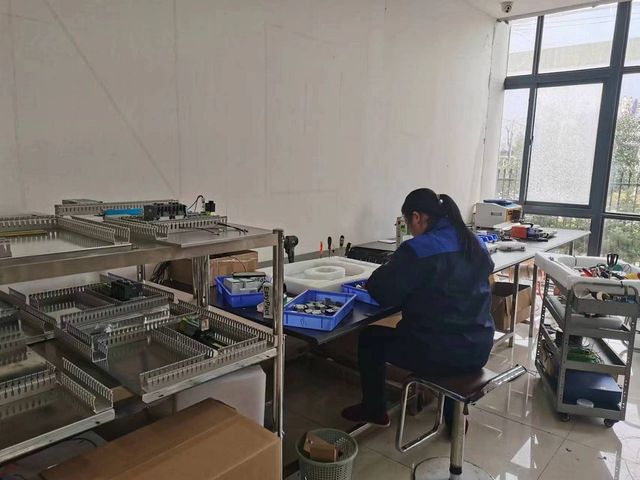
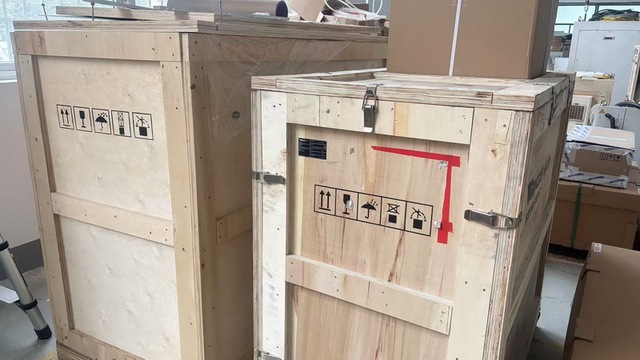
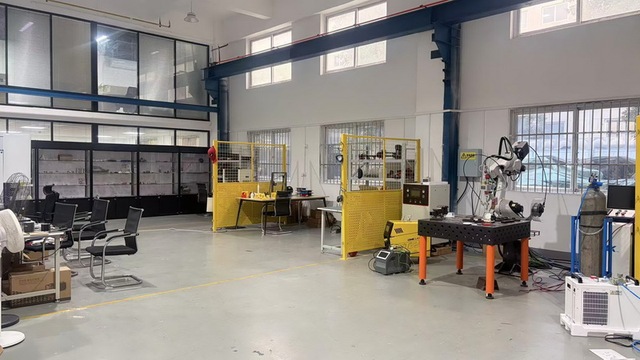
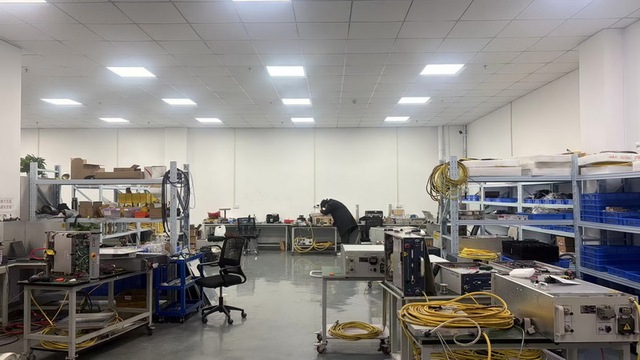
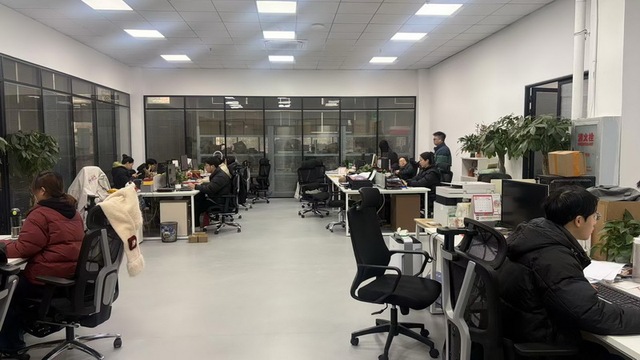
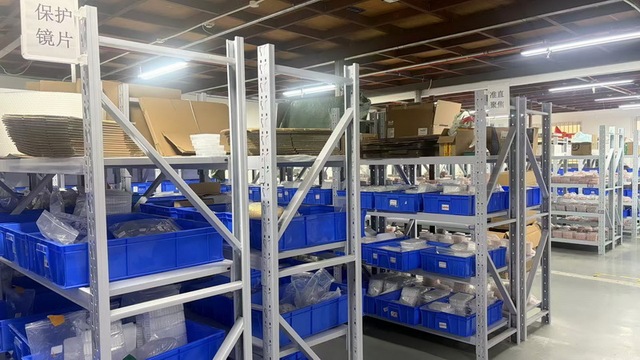
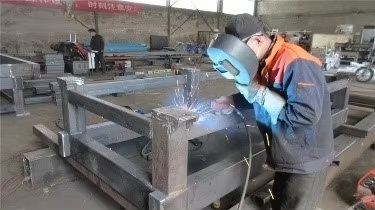
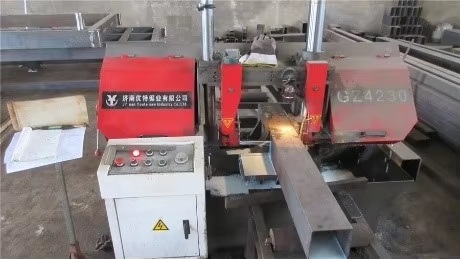
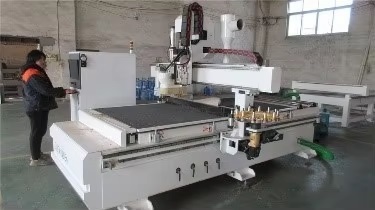
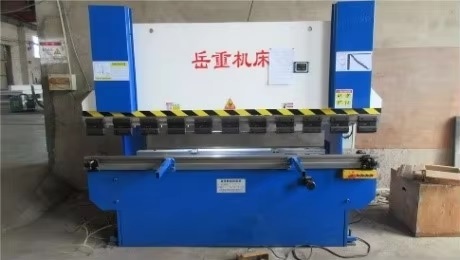
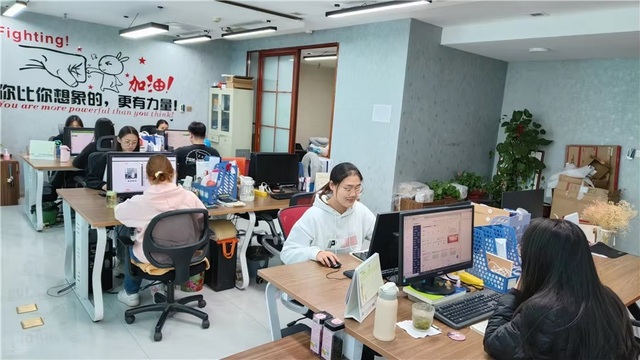
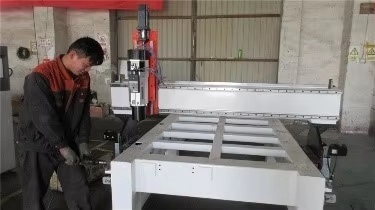
Our manufacturing and assembly departments operate under ISO 9001 and ISO 14001 guidelines. High-precision laser collimation meters, optical spectrum analyzers, and dynamic balance test platforms are used to inspect and calibrate every laser head and motion rail system before shipment. The gallery below showcases our CNC machining floors, quality control centers, assembly areas, and cleanroom packaging spaces:
 CXO Laser