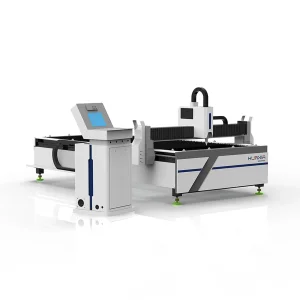
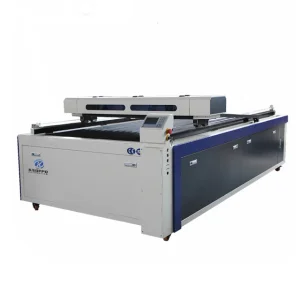
Shenzhen CXO Laser Co., Ltd. is a high-tech enterprise specializing in advanced laser processing equipment, positioned as a Laser Cutting Machine Manufacturer | Ceramic & Silicon Steel Precision Cutting Solutions provider. The company is dedicated to delivering high-precision, stable, and efficient laser cutting systems for industrial applications including electronics, automotive manufacturing, electrical steel processing, energy equipment, and precision component production.
Founded in 2012 in Shenzhen, China, CXO Laser initially focused on industrial laser integration and sheet metal processing solutions. With the rapid growth of smart manufacturing and high-efficiency material processing demands, the company expanded into advanced laser cutting technologies for brittle and high-hardness materials such as ceramics and silicon steel. By 2017, CXO Laser had developed a complete product system covering precision fiber laser cutting machines, automated cutting platforms, and intelligent control systems.
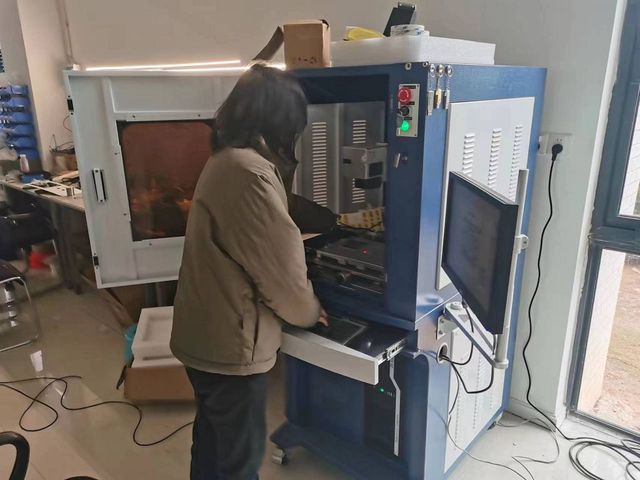
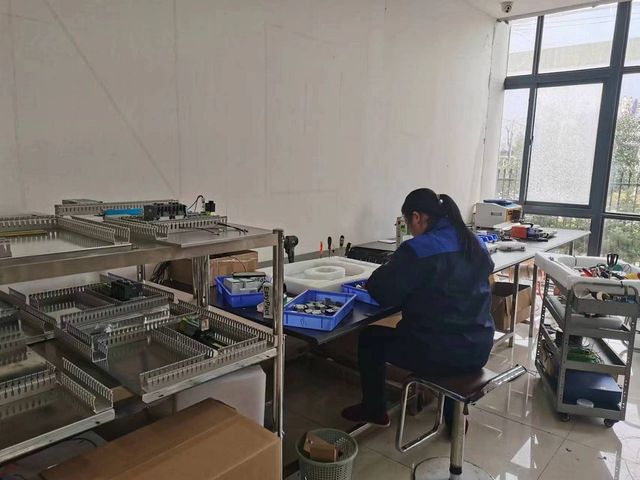
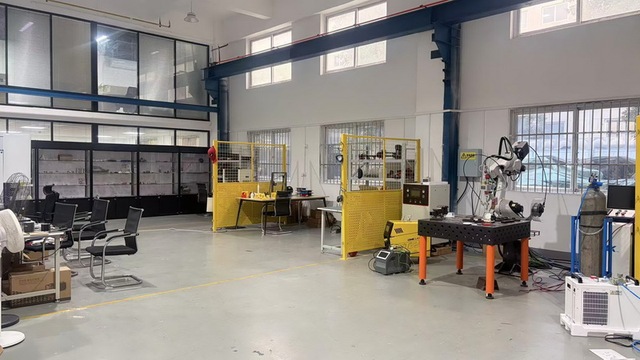
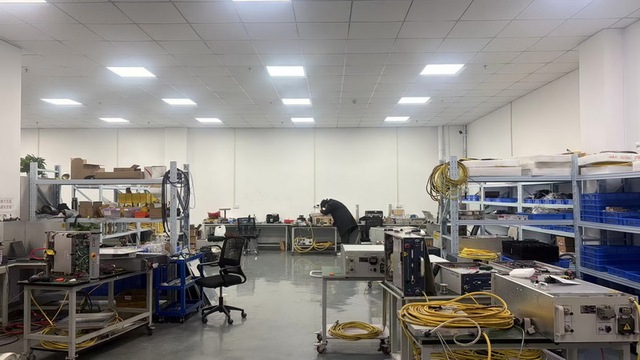
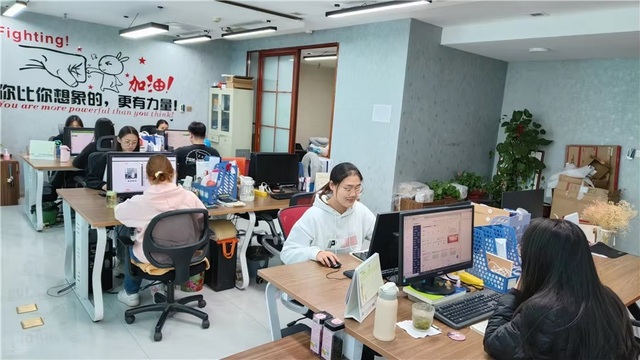
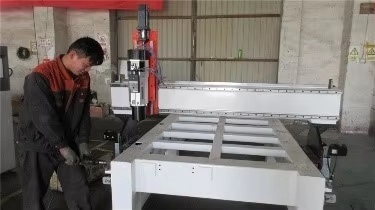
Today, the company operates modern production facilities equipped with high-precision optical calibration systems, CNC machining centers, and automated assembly lines. Its equipment is designed to deliver minimal heat impact, high cutting accuracy, and optimized production efficiency, meeting the strict requirements of global industrial clients.
Shenzhen CXO Laser Co., Ltd. continues to serve customers across Europe, Southeast Asia, the Middle East, and North America. With a strong focus on innovation, precision engineering, and intelligent manufacturing, the company is committed to advancing laser cutting technology and providing reliable solutions for high-performance industrial material processing worldwide.
"Our corporate values focus on delivering high-integrity solutions that directly translate into measurable process improvements for our high-precision manufacturing partners globally."
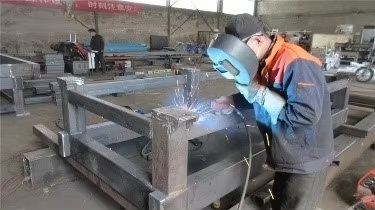
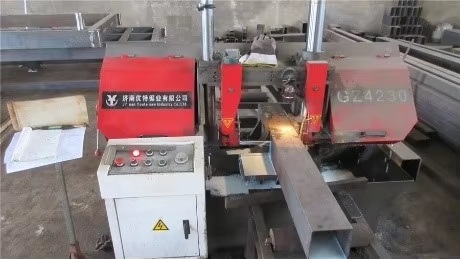
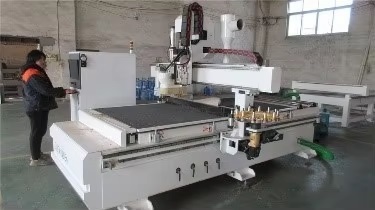
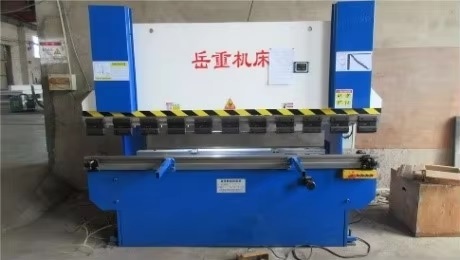
Technical ceramics, such as Alumina (Al₂O₃), Zirconia (ZrO₂), Silicon Nitride (Si₃N₄), and Silicon Carbide (SiC), possess incredible thermal stability and mechanical hardness. However, these properties render them highly vulnerable to micro-fractures, chipping, and thermal shock during conventional machining processes. CXO's laser cutting systems are configured to circumvent these mechanical stress points entirely.
As microchip geometries shrink, the demand for zero-kerf, crack-free dicing of silicon wafers and silicon carbide substrates becomes paramount. Fully Automatic Green Laser and ultra-short pulse (USP) laser platforms ensure ultra-narrow kerf widths below 10 microns, enabling semiconductor manufacturers to maximize die density per wafer while eliminating debris.
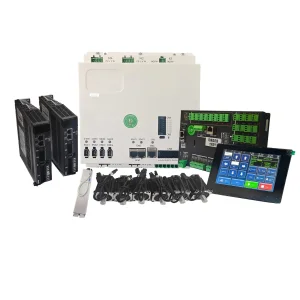
Automotive electronics demand oil-resistant, heat-shielded sealing components alongside precision electrical steel laminations. By implementing specialized multi-axis CNC laser movement controls integrated with high-speed EtherCAT protocols, we facilitate complex shape processing without compromising the native microstructural properties of the workpiece.
The manufacturing sector in regions like North America, Western Europe, and Southeast Asia is transitioning from subtractive machining to additive and precision-energy-focused fabrication techniques. In the context of industrial technical ceramics, this shift has exposed major bottlenecks:
By leveraging CXO's custom-engineered non-contact laser processing, clients universally report scrap rates falling to under 0.5% and a total elimination of physical consumables. The integration of high-performance galvo systems and dynamic linear motors ensures optimized efficiency across multiple shifts daily.
| Processing Factor | Traditional Diamond Dicing | CXO Advanced Laser System |
|---|---|---|
| Processing Speed | Slow (1-5 mm/s) | Ultra-Fast (Up to 300 mm/s) |
| Chipping Zone (HAZ) | Large (>50 μm) | Minimal (<5 μm) |
| Tool Wear / Costs | Extremely High | Zero (Non-contact) |
| Geometric Flexibility | Limited to straight cuts | Unlimited complex CAD paths |
Machining precise heat-shield tiles and ceramic matrix composites (CMCs) used in rocket nozzle insulation and high-altitude turbine blades. These components require sub-micron precision to avoid catastrophic structural failure under pressure.
Zirconia hip implants and dental prosthetics must be sliced, detailed, and micro-structured with zero biological contaminants. Because laser cutting relies on no cutting fluids, the sterile integrity of the medical component is pristine.
Thin ceramic membranes for hydrogen production must possess complex, highly dense micro-grooves. Our customizable CNC systems allow rapid multi-pass laser engraving without exposing the delicate membrane layers to dangerous mechanical stress.
To successfully integrate industrial machinery into modern factories across Western Europe and North America, strict legal compliance and immediate local support structures must be in place. CXO Laser addresses these needs systematically:
Every laser machine shipped internationally undergoes certified testing protocols to ensure operator safety, minimal electromagnetic interference, and safe material handling procedures.
Whether you require specific dual-gantry high-precision motion configurations using EtherCAT control systems, or specialized robotic integration for raw material handling, our Shenzhen-based R&D team can customize layouts to fit your manufacturing space.
We have partnered with logistics networks and regional technical agencies across Europe and Southeast Asia to guarantee minimal downtime, fast deployment of replacement fiber laser tubes, and immediate remote calibration assistance.
By moving past traditional nanosecond lasers, ultra-short pulse (USP) lasers allow "cold ablation." Energy is deposited so fast that the technical ceramic material sublimates instantly, leaving the surrounding structure with absolute zero Heat-Affected Zone (HAZ).
Integrating real-time AI computer vision models with dual depth RGB sensors helps continuously detect substrate warpage. The laser path dynamically realigns itself in microseconds to offset surface irregularities, resulting in a flawless finished cut.
Using EtherCAT protocol controls, next-generation systems track processing feedback. Automated telemetry highlights optic degradation or motion anomalies, automatically alerting engineers to perform pre-emptive servicing and avoid costly failure.
 CXO Laser